






My first attempt at baked oats was a dense hockey puck. I blamed the recipe, then the oven, then my whisk.
After a dozen trials I stopped overloading the oats and learned how to trap air. In this piece I show how to make baked oats fluffy, not dense or gummy, in about 35 to 45 min total. Expect beginner-friendly techniques and one clever hack that most recipes skip.
Oats taste comforting and bright when balanced. Think breakfast-bowl vibe with a creamy center and a toothsome top, leaning toward American brunch with a hint of Scandinavian simplicity. Hands-on time is low, but one technique needs attention: aeration. I’ve noticed in 2025 the baked-oats trend shifted toward layered bowls and plant-forward swaps like aquafaba and oat flour blends, which I mention below. Oats are whole grain and a source of beta-glucan, linked to lower LDL per Harvard T.H. Chan School of Public Health, so fluffy breakfast can be a healthy one.
1. Hydrate Right: Oat Type, Ratio, and Pre-Soak
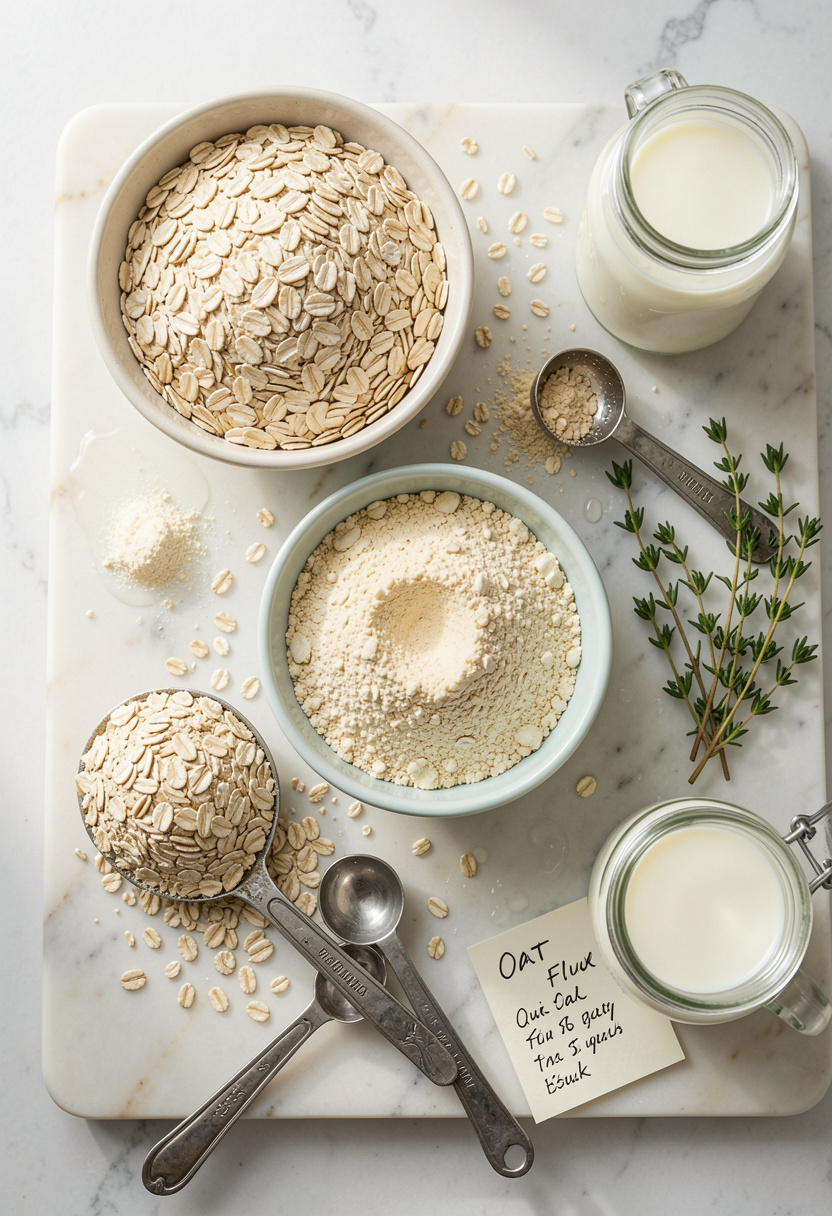

Start by choosing old-fashioned rolled oats for structure. They soak but keep some chew. If you use instant oats they break down and go gummy.
The liquid ratio matters. I use 1 cup rolled oats to 1 cup milk plus 1 large egg per ramekin-style portion. That combo hydrates the oats without turning them into porridge. For extra silk and tang, swap 2 Tbsp plain Greek yogurt into the liquid.
Tools help here. A reliable 1-cup liquid measuring cup and a microplane grater for citrus zest keep flavors bright. The principle is hydration without overhydration: oats absorb while baking, so aim for a batter that is scoopable, not runny.
Common mistake: pouring hot milk into oats to "speed soak." That starts gelatinizing starch and makes the bake dense. Instead, mix at room temp and rest 10 minutes before folding in aeration agents.
2. Leavening & Aeration: Baking Powder and Whipped Whites
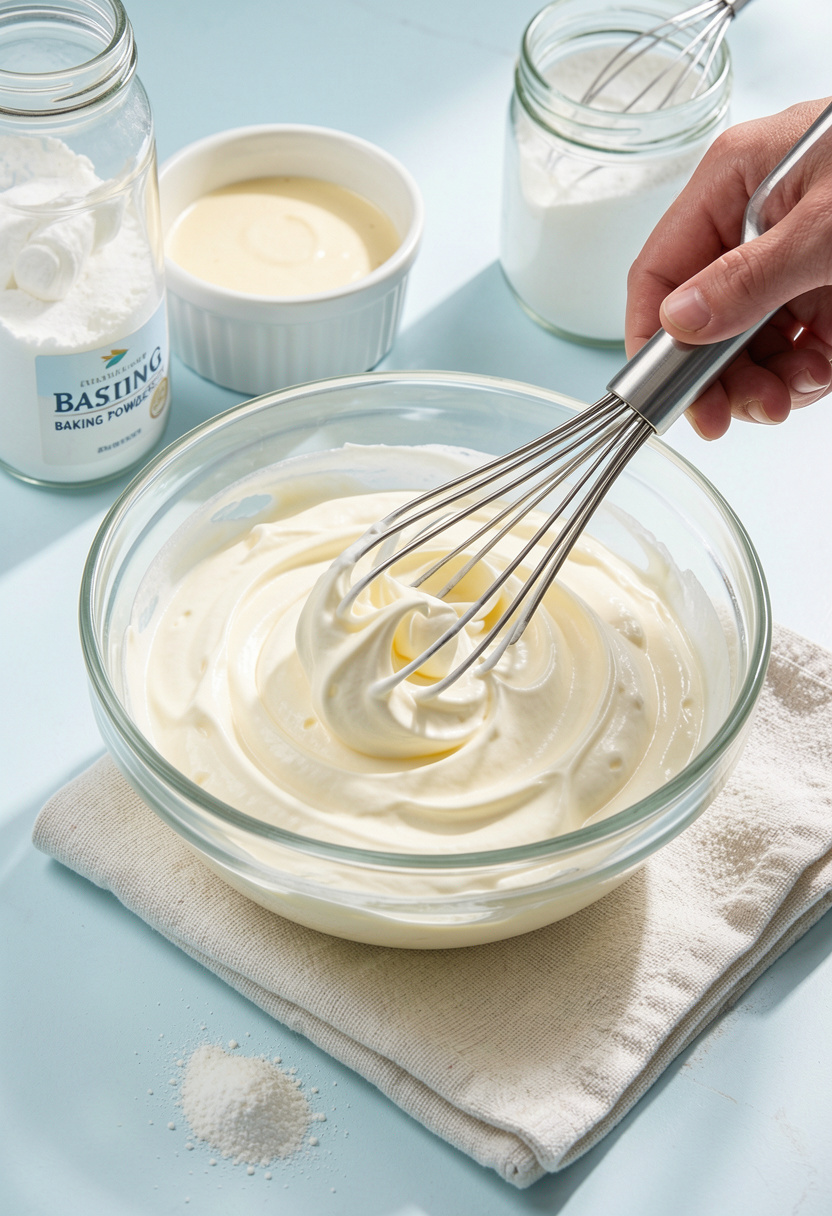

Baking powder gives lift. Use 3/4 to 1 tsp per cup of oats to create lift via trapped gas. But baking powder alone often can’t beat dense oat matrix.
The secret that changed my bakes is folding in whipped egg whites. Separate 1 egg, whisk whites to soft peaks, then fold gently into the oat batter. This traps air and keeps crumb open. If you’re plant-based, whip 3 Tbsp of aquafaba to soft peaks as a substitute.
Anchor tools: Rumford baking powder 8.1 oz and a handy hand mixer speed this step. The cooking principle is mechanical leavening: air bubbles expand in the oven and set around protein and starch.
Mistake people make: overfolding. You will see streaks of white disappear, but stop before uniform gray. Fold until just blended for a loftier texture.
3. Fat, Sugar, and Flavor: What Actually Helps the Crust
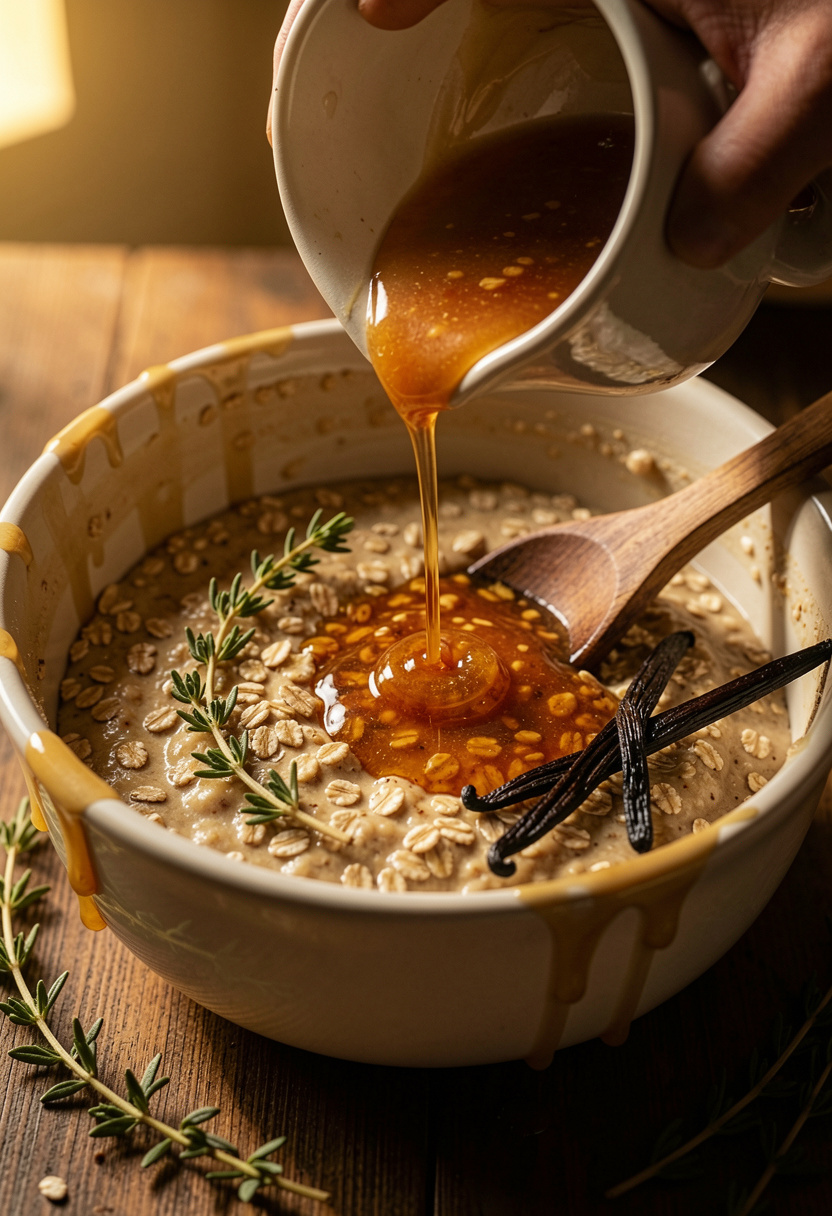

Fat creates tender crumbs and helps the crust brown. I reach for 1 Tbsp melted butter or neutral oil per ramekin. Browned butter adds nuttiness; coconut oil adds tropical notes.
Sugar affects texture and crust. Use 1 to 2 Tbsp maple syrup or brown sugar per cup of oats. Maple syrup also adds moisture and keeps crumb less dry than granulated sugar.
Try a hit of vanilla and a pinch of Maldon sea salt flakes at the end. The principle is balancing tender fat with enough sugar for caramelization. A nonstick silicone muffin pan 6-cup or Le Creuset ramekin 10 oz helps release and create an even crust.
Mistake: thinking more fat equals fluff. Too much fat weighs down the batter. Stick to modest fat and rely on aeration for lift.
4. Bake Smart: Temperature, Pan Choice, and Steam
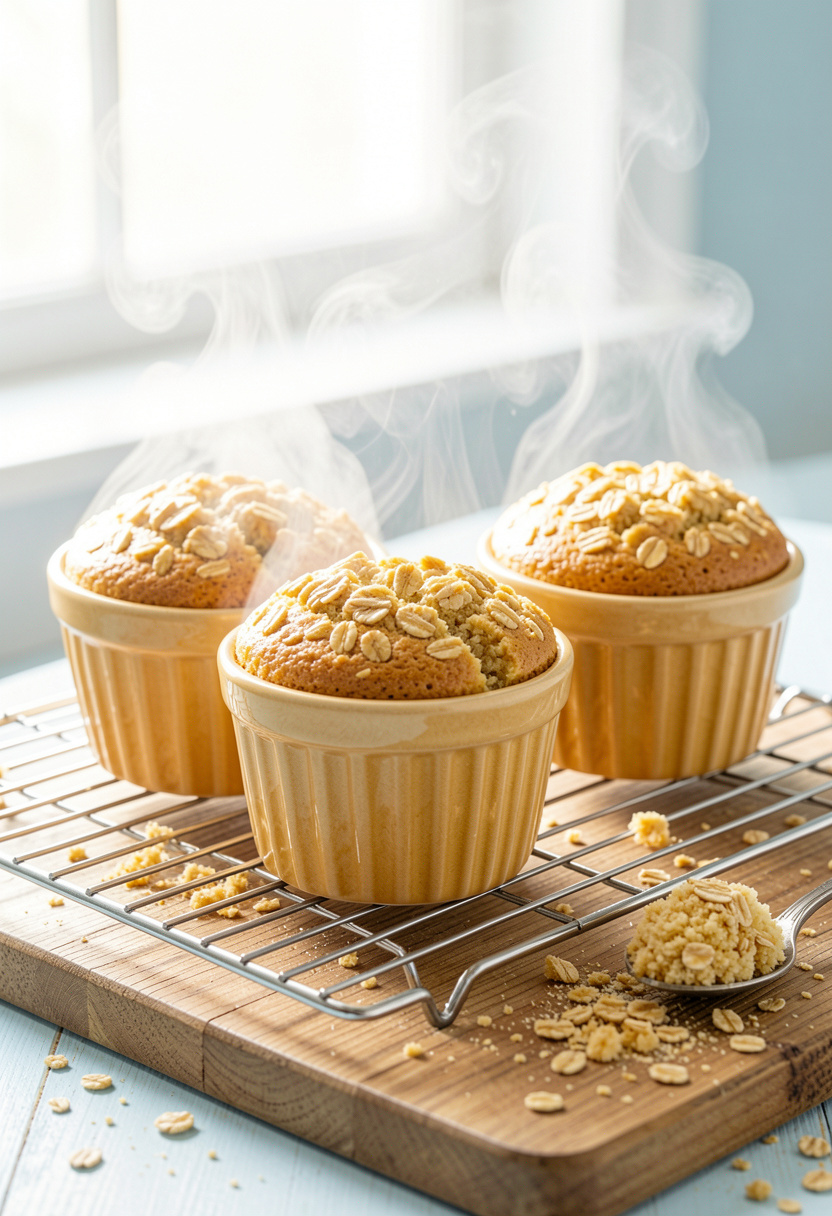

Oven temp determines rise and crust. I bake at 400°F for the first 8 to 10 min to set the lift, then lower to 350°F for 12 to 15 min until a skewer comes out clean but the center still yields slightly. Ramekins 6 to 8 oz work best for even heat.
A water bath is optional. For extra steam and a tender center, place ramekins on a sheet pan with a shallow 1/2-inch water line. Use a reliable oven thermometer to check real temperature; many ovens run 25°F off.
Mistake: baking at low temp for the whole time. The oats slowly compress and go dense. The quick initial blast locks air in, then lower heat finishes cooking gently.
5. Rest, Top, and Serve: Acid, Texture, and Timing
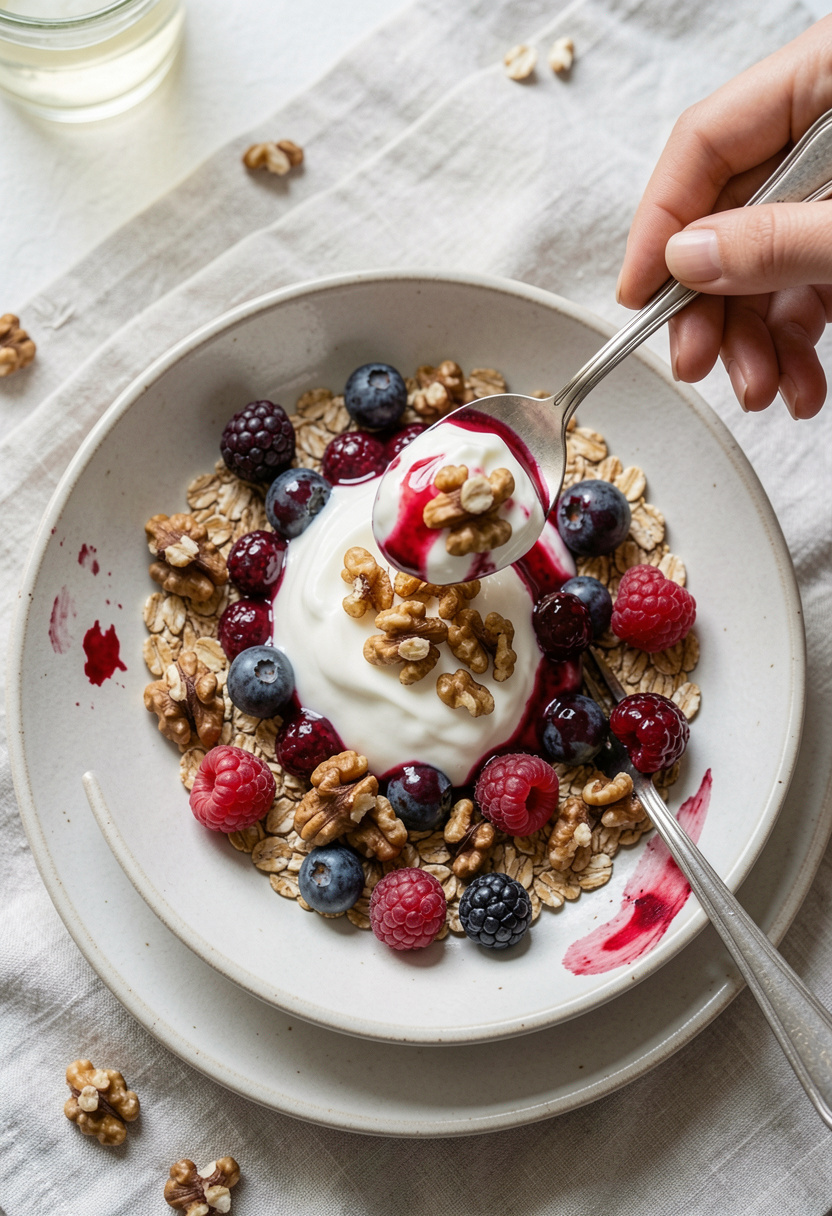

Resting is not optional. Let ramekins cool 5 to 8 min so centers set without collapsing. A tiny jiggle is perfect.
Finish with acid to cut richness. A spoonful of plain Greek yogurt or a squeeze of lemon brightens the oat flavor. Add texture contrast with toasted walnuts or granola on top.
Try one finishing oil like a drizzle of pure maple syrup or a dab of Miyoko vegan butter 8 oz if you use a plant-based route. The result should be pillowy yet structured, a spoonable morning treat.
Common Cooking Mistakes to Avoid
Mistake: Using instant oats for baked oats
Why it doesn't work: Instant oats break down and create a gummy texture.
Do this instead: Use Bob's Red Mill rolled oats 32 oz and soak briefly.
Mistake: Skipping mechanical aeration (whipped whites)
Why it doesn't work: Baking powder alone often leaves dense crumb.
Do this instead: Whip egg whites with a hand mixer and fold gently.
Mistake: Overloading with fruit or banana as binder
Why it doesn't work: Extra moisture collapses structure and makes center soggy.
Do this instead: Fold in 1/4 cup mashed banana or 2 Tbsp fruit, not more; use maple syrup for sweetness.
What You'll Need to Make This
Pantry Staples
Diamond Crystal kosher salt 3 lb box around $5 to $8
Pure maple syrup 8 oz around $8 to $15
Specialty Ingredients
Bob's Red Mill rolled oats 32 oz around $6 to $10
Maldon sea salt flakes 4.4 oz around $6 to $12
Tools That Earn Their Counter Space
Le Creuset ramekins 10 oz set approx $25 to $60
Hand mixer approx $20 to $40
Silicone muffin pan 6-cup approx $10 to $20
Cookbooks Worth the Shelf
Salt Fat Acid Heat by Samin Nosrat (price range $18 to $28)
The Food Lab by J. Kenji Lopez-Alt (price range $18 to $30)
Budget Swaps
Pyrex 1.5 quart baking dish as an affordable alternative to ramekins, approx $10 to $20
Shopping Guide for This Recipe
Choose rolled oats: Rolled oats give structure; Bob's Red Mill rolled oats around $6 to $10.
Substitution hack: No eggs? Use whipped aquafaba, find chickpea aquafaba tips and jars via aquafaba resources approx $6 to $12.
2025 trend pick: Plant-forward breakfasts are big; vegan options like Miyoko vegan butter approx $8 to $14 work well.
Splurge vs save: Splurge on quality ramekins like Le Creuset ramekins if you entertain; save with Pyrex baking dish for weeknights.

Conclusion
Start with the hydration and leavening phase. Nailing the oats-to-liquid ratio and adding whipped whites will change every bake.
One small finish tip: a tiny sprinkle of flaky salt on the warm top makes flavors pop and balances sweetness.
Will you try the whipped-white method first or the aquafaba swap?