




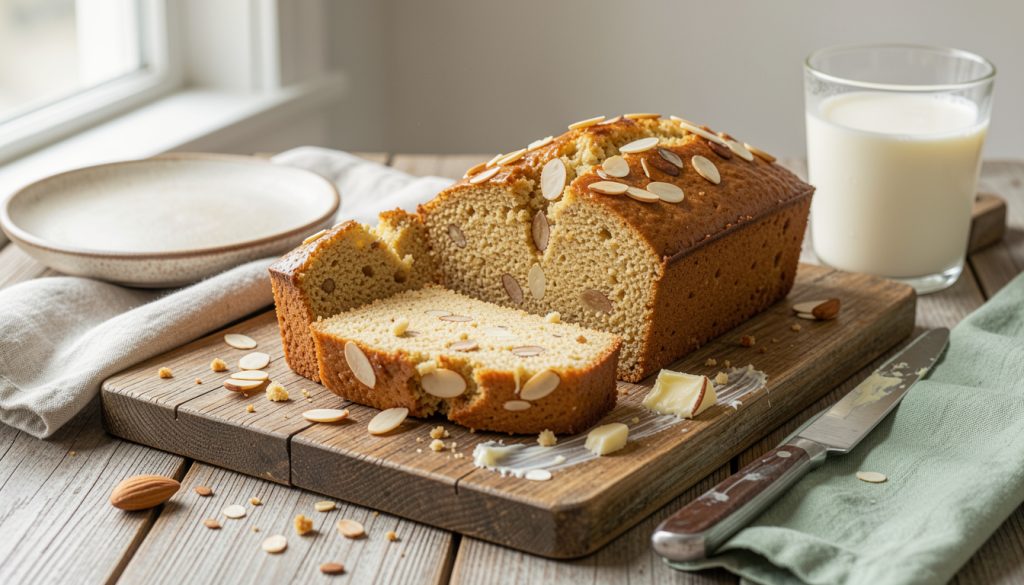

I once baked an almond flour loaf that could double as a doorstop. The first sentence here is literal: it cracked, crumbled, and tasted like almond-scented sand.
If you want to learn how to bake with almond flour and actually get a moist, sliceable result, read on. I tested tweaks until the crumb felt like cake, not chalk.
This guide is for weeknight bakers who want gluten-free or lower-carb options, not for people chasing viral one-bowl miracles. Expect hands-on time of about 20 to 30 min and an oven bake around 40 min to 1 hr.
Almond flour brings nutty, toasty flavor and more fat than wheat flour. According to USDA FoodData Central, 1/4 cup of almond flour contains roughly 160 calories and about 14 g of fat, which is why moisture management matters. Lately I see more bakers adding cultured dairy and psyllium to keep crumbs tender, and that trend looks set to stick into 2025.
1. Hydrate and Bind: Stop Crumbly Loaf Syndrome
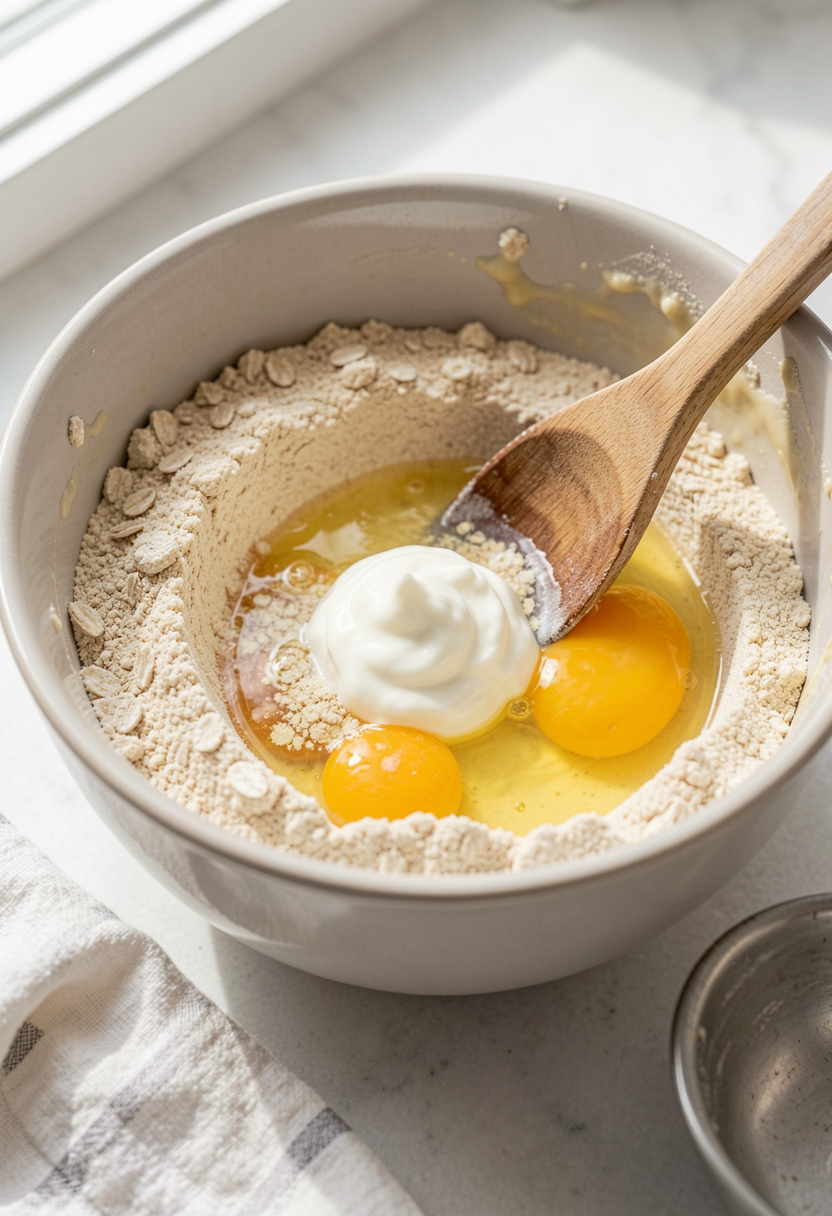

Almond flour has no gluten, so it does not trap gas or stretch. That is why you need binders. The trick is to add both a protein binder and a soluble fiber binder.
I often use large eggs plus 2 Tbsp plain full-fat yogurt or sour cream. A single cup of almond flour usually wants 2 large eggs and 2 Tbsp yogurt to stay tender but sliceable.
For structure without chew, add 1 tsp psyllium husk or 1/4 tsp xanthan gum per cup of almond flour. I like NOW Foods Psyllium Husk Powder 8 oz for its fine grind and predictable results.
Principle at work: soluble fiber holds liquid, creating a gel that mimics gluten elasticity. Mistake people make is skipping the binder and blaming the flour. Do this instead: measure wet and dry by weight or spoon-and-level cups, then let batter rest 10 to 15 min to hydrate fully.
2. Balance Fat and Sugar: Keep It Moist, Not Oily
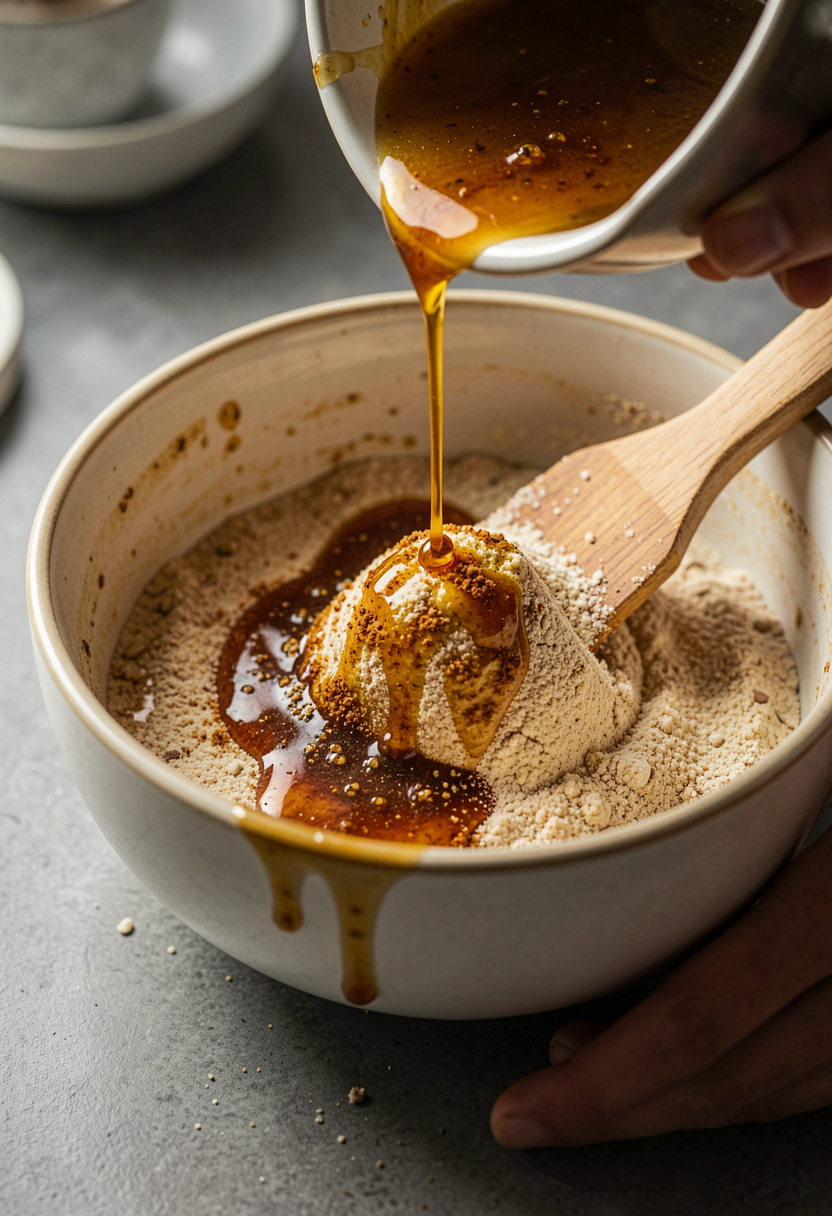

Almond flour’s high fat is a blessing and a risk. It gives richness but can make baked goods greasy if you overdo added fat.
My rule: for every 1 cup almond flour, use 2 to 3 Tbsp fat (melted butter, coconut oil, or olive oil) plus eggs. If you want extra moistness, swap 1 Tbsp of fat for 1 Tbsp of honey or maple syrup.
I reach for Lodge melted butter alternative not needed; I prefer Kerrygold butter 8 oz for flavor and Bob's Red Mill Almond Flour 16 oz for a consistent grind.
Principle: fat coats flour particles and slows starch hydration, which equals tenderness. Common mistake is dumping a cup of oil into a batter and expecting cake. Instead, measure fat, prefer melted butter for flavor, and taste batter for sweetness before you bake.
3. Gentle Mixing and Folding: Don’t Overwork the Batter
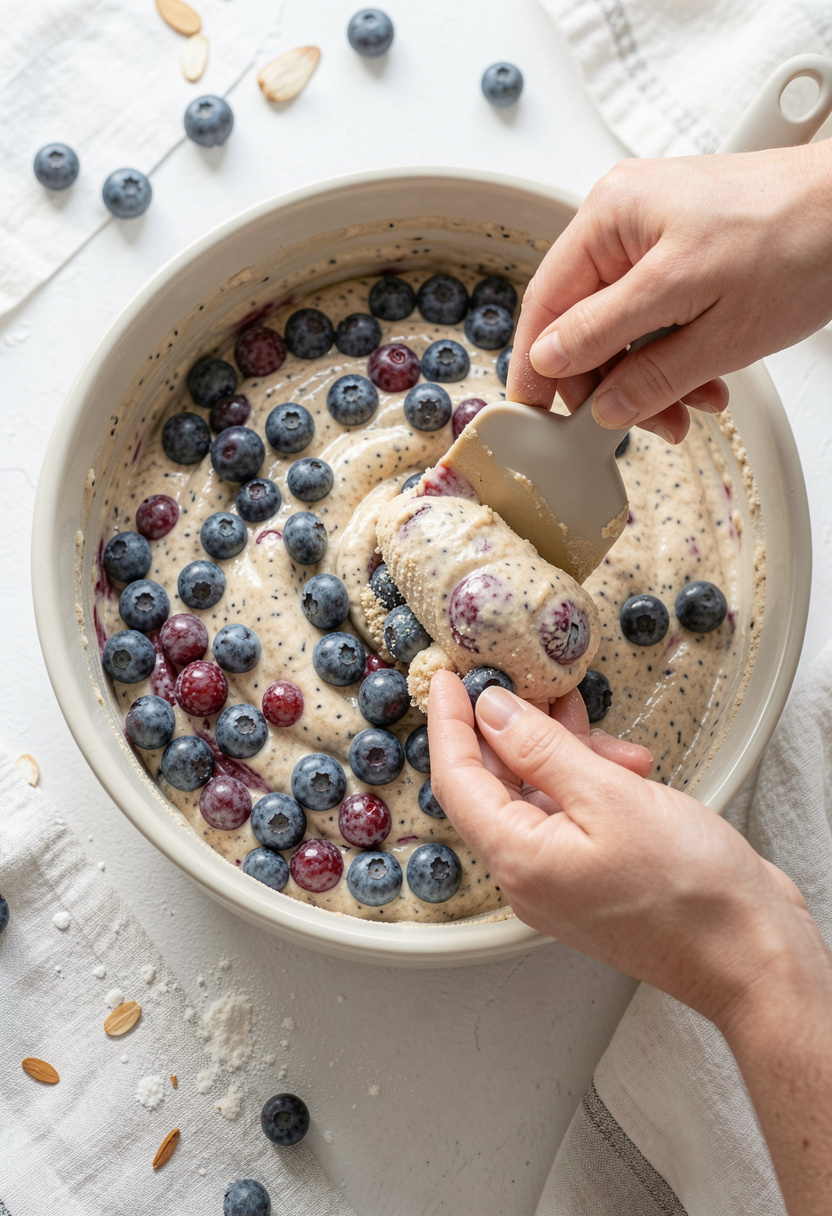

Almond flour batters do not benefit from vigorous mixing. Overmixing can make the crumb dense because almond particles settle and trap less air.
Fold in wet and dry ingredients until just combined. For quickbreads, a few streaks of flour in the batter are fine. If using add-ins like chocolate or fruit, toss them in almond flour first to prevent sinking.
Tools I use: di Oro silicone spatula set and an Oxo whisk small. Principle: trapped air equals lift. Mistake: scraping the bowl raw with a mixer and expecting a light crumb. Instead, finish by hand with gentle folding and a quick 2 min rest to let hydration equalize.
4. Bake Hot, Then Lower: Crisp Top, Tender Crumb
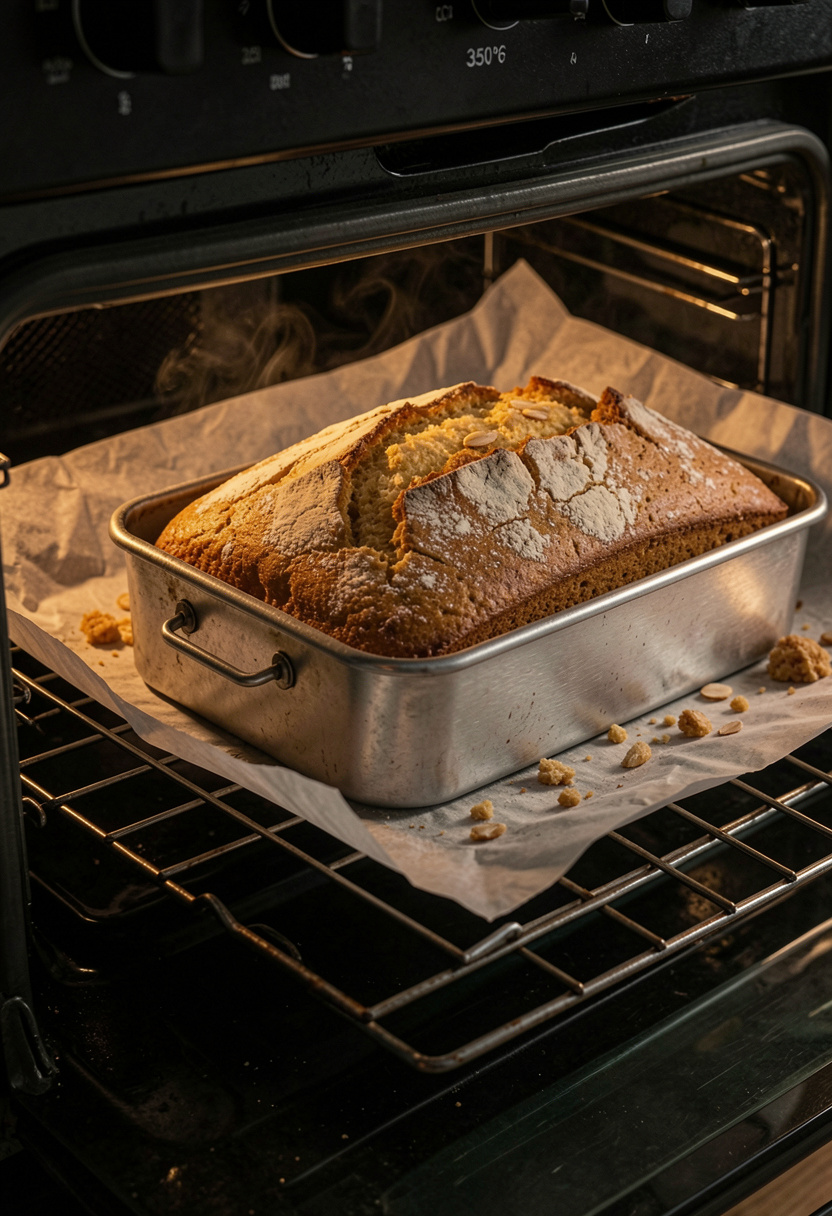

Start the oven hotter for 5 to 10 min, then lower to bake through. For an almond loaf, preheat to 400°F and put the pan in for 10 min, then reduce to 325°F and bake for another 30 to 40 min.
Look for a deep golden top, slight pull from pan edges, and a toothpick coming out with a few moist crumbs. An instant-read thermometer should read about 200°F to 205°F for quickbreads. I rely on the ThermoPro instant-read thermometer.
The principle is oven spring followed by steady bake to set the crumb. Mistake: low-and-slow from the start gives a pale top and gummy center. Instead, use the heat shock method above for color and then even cooking.
5. Cool, Slice, Store: Finish Like a Pro
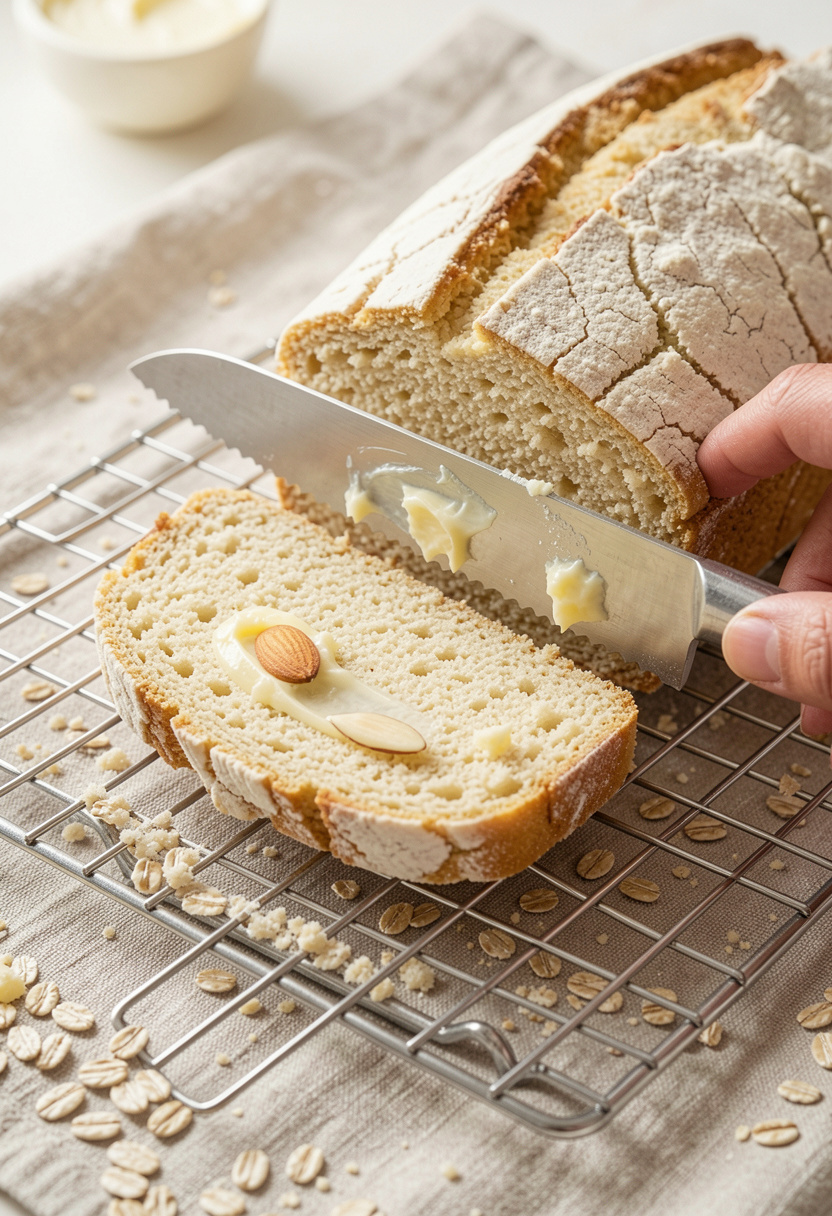

Cooling is not optional. Almond flour bakes continue to set as they cool. Slice too soon and the loaf collapses.
Cool in the pan for 10 to 15 min, then turn out onto a wire rack to finish cooling for at least 30 min. Store wrapped in parchment and a zip bag in the fridge for up to 5 days.
For longer storage freeze slices separated by parchment. I use an Oxo cooling rack 11×7. Common mistake: tossing a warm loaf into a bag. Do not do that. Result: a loaf that keeps its shape and tastes fresh.
Common Cooking Mistakes to Avoid
Mistake: Using almond meal instead of superfine almond flour
Why it doesn't work: Coarser meal gives gritty texture and heavier crumb.
Do this instead: Use Bob's Red Mill Almond Flour 16 oz for fine grind.
Mistake: Skipping any binder in single-egg recipes
Why it doesn't work: No gluten means nothing to hold the crumb, so you get crumbling.
Do this instead: Add NOW Foods Psyllium Husk Powder 8 oz or 1/4 tsp xanthan per cup.
Mistake: Overloading with wet add-ins like mashed banana without adjusting dry ratio
Why it doesn't work: Batter becomes too loose and bakes dense or collapses.
Do this instead: Reduce other liquids by 1 to 2 Tbsp per mashed banana and increase almond flour by 2 Tbsp.
What You'll Need to Make This
Pantry Staples
Bob's Red Mill Almond Flour 16 oz around $8 to $14
Diamond Crystal kosher salt 3 lb box around $5 to $8
Wholesome maple syrup 12 oz around $7 to $12
Specialty Ingredients
NOW Foods Psyllium Husk Powder 8 oz around $7 to $12
Anthony's Organic Blanched Almond Flour 16 oz around $9 to $16
Tools That Earn Their Counter Space
Oxo wire cooling rack 11×7 around $8 to $15
ThermoPro instant-read thermometer around $15 to $30
di Oro silicone spatula set around $10 to $18
Cookbooks Worth the Shelf
Salt Fat Acid Heat by Samin Nosrat (price range $18 to $28)
The Food Lab by J. Kenji Lopez-Alt (price range $18 to $30)
Budget Swaps
365 by Whole Foods Almond Flour 16 oz lower-cost alternative around $6 to $10
Shopping Guide for This Recipe
Seek superfine almond flour: Look for "superfine" or "blanched" to avoid gritty texture. Anthony's Blanched Almond Flour 16 oz $9 to $16.
Substitution hack: Out of almond flour? Use 3/4 cup oat flour plus 1/4 cup ground almonds for similar texture. Bob's Red Mill Oat Flour 16 oz around $4 to $8.
2025 trend pick: Many bakers add cultured dairy for tenderness; try plain full-fat yogurt as an easy swap. Fage Total Greek Yogurt 16 oz around $3 to $5.
Splurge vs save: Splurge on a good thermometer, save on generic parchment. ThermoPro instant-read thermometer $15 to $30.
Conclusion
Start with hydration and binders. That single phase fixes more crumbling than any other tweak.
A quick finishing tip: a light brush of melted butter and a sprinkle of sliced almonds before baking adds a toasty top and signals done by color.
Will you try the psyllium binder first or test yogurt as your moisture booster?