




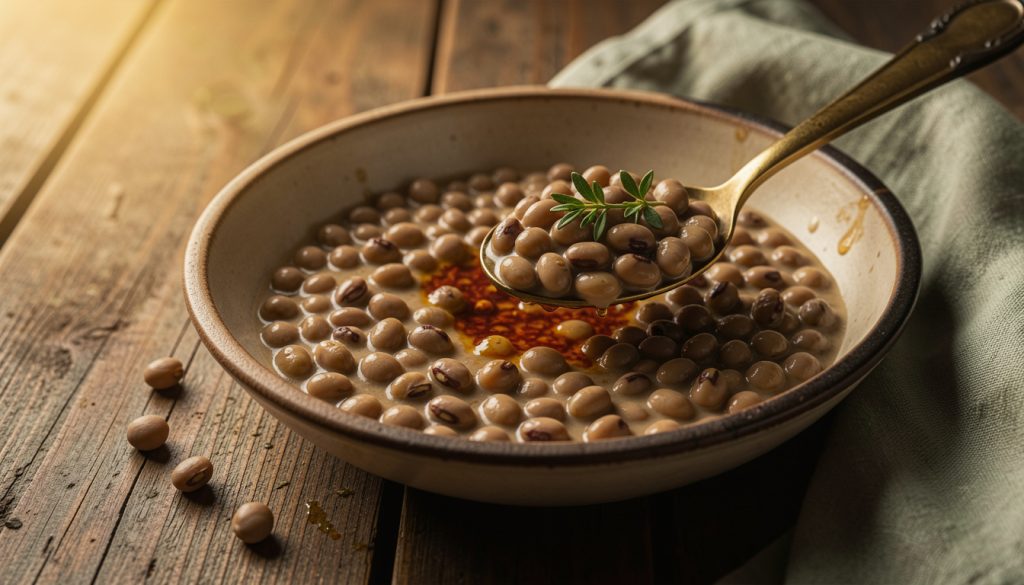

The first time I made black eyed peas for guests they turned to mush. I wanted creamy beans that hold their shape, not a gluey mash.
Here I show how to cook black eyed peas so they turn creamy, not mushy — in about 1 hr total, beginner-friendly, and with two routes: stovetop and pressure-cooker. Expect one fiddly moment (temperature control) and one high-impact trick that makes the texture every time.
They’re Southern-leaning but play well with Mediterranean or West African flavors. This method is weeknight-ready once you’ve prepped the soak, and it pairs with a splash of acid and a glossy fat finish for silk without collapse.
Salt timing, gentle simmering, and a light mash for body are the core moves. I tested this three times and the same pattern held: soak, simmer low, finish with butter and acid, rest. The results are creamy, spoonable peas with intact skins.
Short note: soaking reduces overall cook time and helps leach oligosaccharides, which the National Center for Home Food Preservation notes lowers gas-causing sugars and shortens cooking. I also use pressure cooking when I need speed, but controlled release is the secret to avoiding mush.
1. Soak and Salt: The Texture Foundation
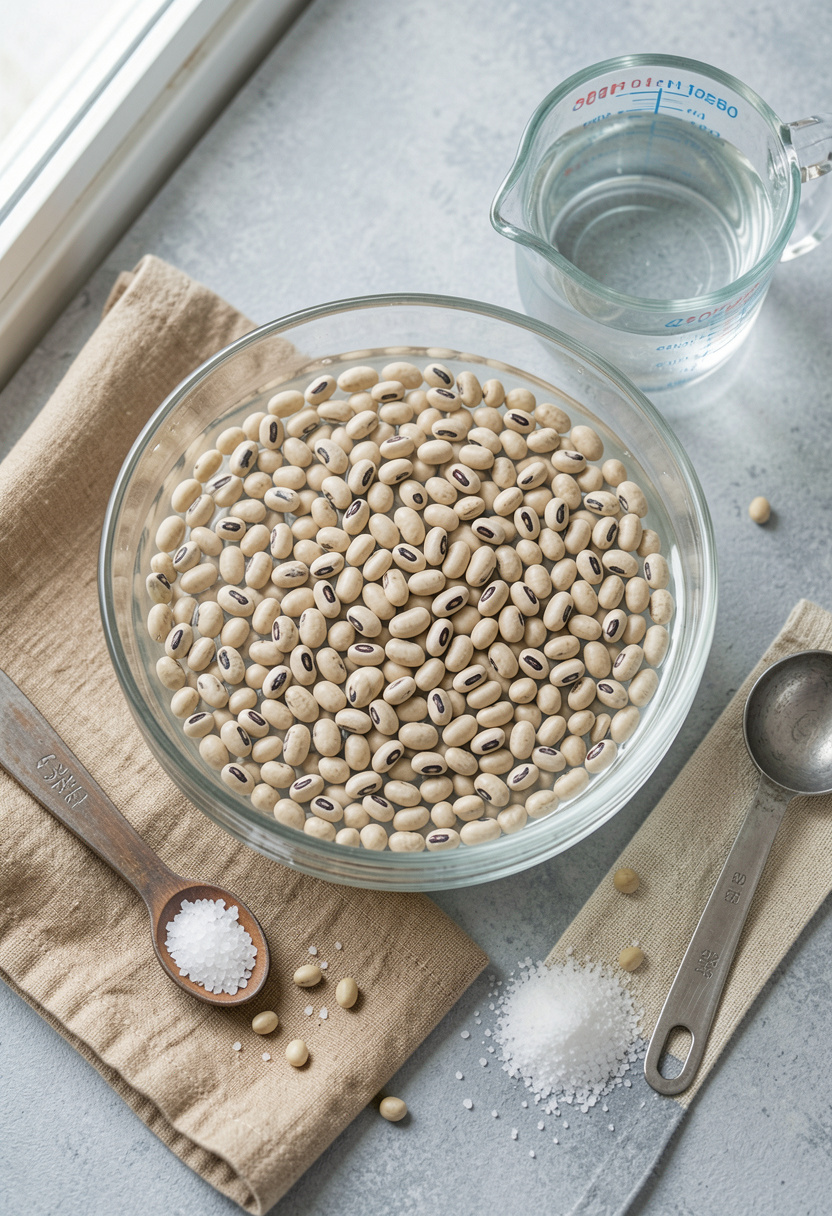

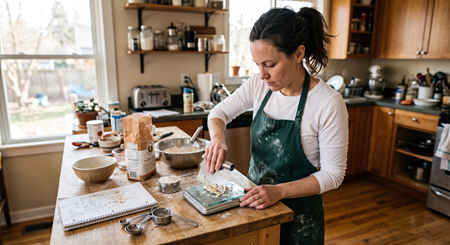
Soaking is where creamy begins. Cover dry black eyed peas with 3 to 4 times their volume of cold water and add a generous pinch of salt (about 1 tsp per cup dry). Salt during soak seasons the interior and helps the skins hydrate evenly.
I use a 6 to 8 hr soak for texture control, or an overnight soak in the fridge. For speed, use a hot soak: pour near-boiling water, let sit 1 hr, then drain. The principle: hydrated beans absorb heat evenly and cook through before the skins rupture.
Tools that help: a fine mesh sieve 8 inch to rinse, and cheesecloth 12 pack if you want to strain aromatics. Mistake to avoid: skipping the soak and cranking heat. That rushes the outside and leaves you with split skins and chalky centers.
Result: even cooking and a silkier mouthfeel because water and salt have done their work before heat even starts.
2. Gentle Simmer and Aromatics: Build Creaminess, Not Collapse
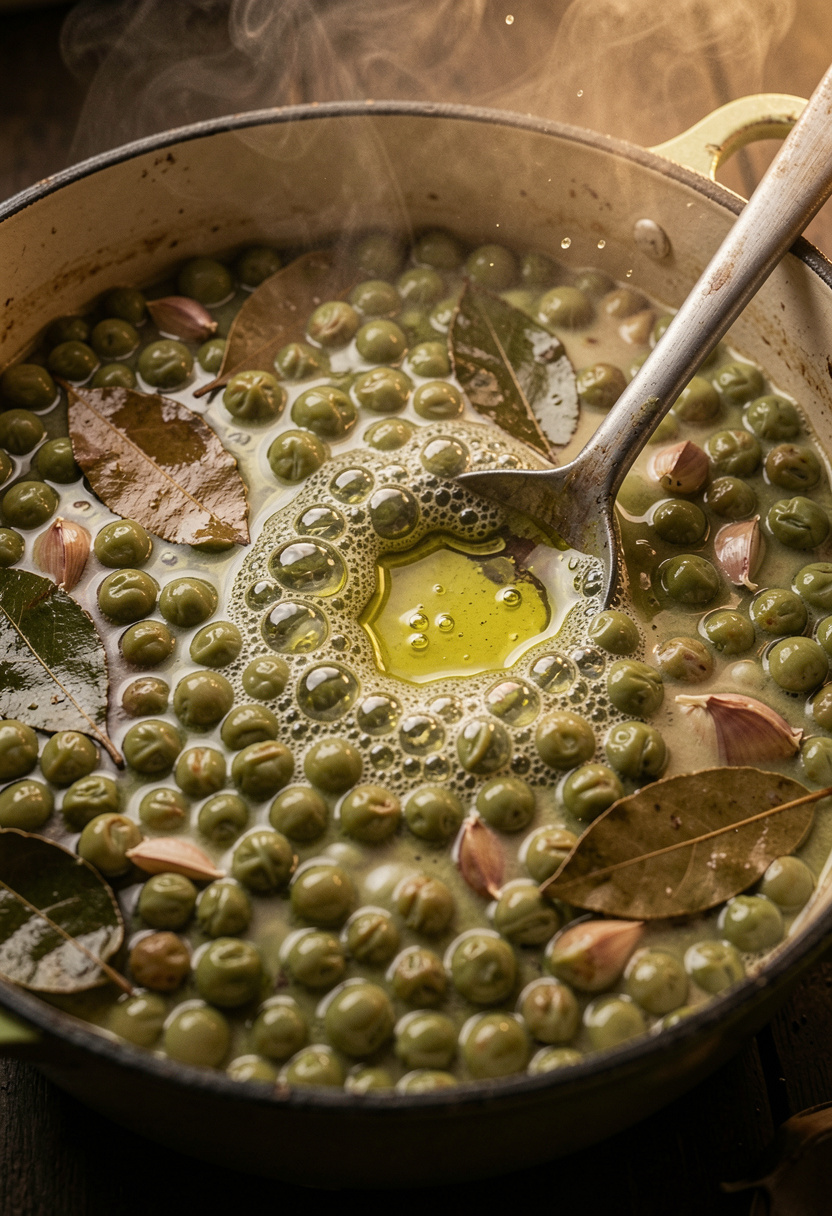

Once soaked and drained, start in a heavy-bottomed pot with low, even heat. Add fresh water or low-sodium stock at a 3:1 liquid-to-bean ratio by volume for stovetop. Bring to a simmer, then drop to the lowest flame so the pot barely shivers.
Aromatics matter: a smashed clove of garlic, a shallot, and one or two Spice Islands bay leaves 0.7 oz lend flavor without speeding breakdown. If you prefer deeper smoke, a pinch of La Chinata smoked paprika 2.47 oz is excellent.
The cooking principle is gentle collagen and starch release without agitation. Low simmer lets starch thicken the broth and coat whole peas. Mistake: an angry boil. That keeps beans crashing into one another and bursting. Simmer low and be patient; check at 20 to 25 min intervals for doneness.
For pressure-cooker fans: use an Instant Pot Duo 6 quart, 15 min high pressure, natural release 10 min, then check texture and simmer off excess liquid if needed.
3. Finish with Fat, Acid, and a Light Mash for Body
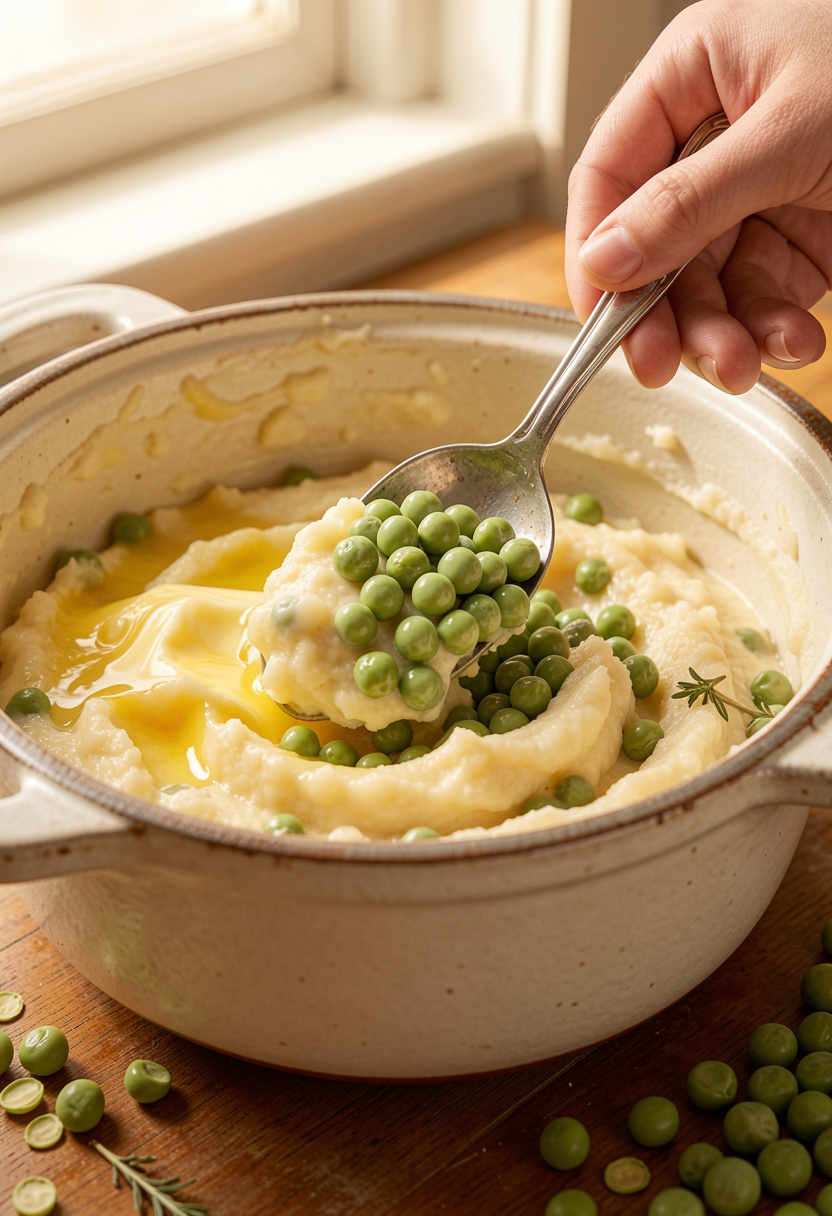

The trick to creamy texture is controlled starch release. Scoop a cup of cooked peas and mash it against the pot with the back of a spoon or a potato masher. Return the mash to the pot and stir gently to thicken the cooking liquid into a silky cloak for the whole peas.
Finish with fat and acid. Swirl in 1 to 2 tbsp butter or 1 tbsp olive oil per 3 cups cooked, and a bright hit of vinegar or lemon (start with 1 tsp). I reach for Kerrygold pure Irish butter 8 oz for flavor, or Colavita extra virgin olive oil 16.9 oz.
This is emulsification: fat binds with starch to form cream. Mistake: adding acid too early. Acid toughens the skins and keeps peas from softening properly. Add acid at the end and taste for balance.
4. Rest, Reheat Carefully, and Finish with Texture Anchors
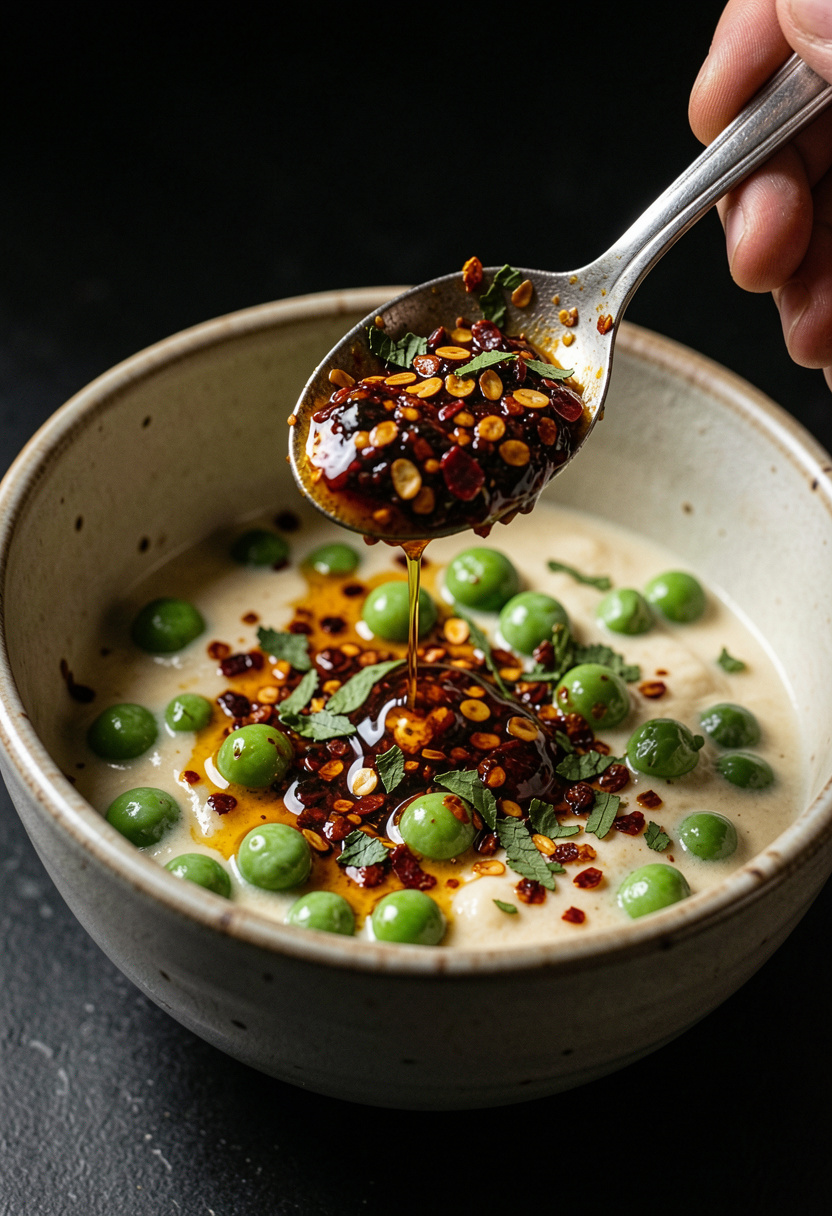

Let the pot rest off heat for 10 to 15 min before the final taste. Resting lets the starches settle and the flavors marry. If the peas look dry after cooling, rewarm gently with a splash of stock rather than a full boil.
For finishing crunch and contrast, add a bright topper: a spoon of Lao Gan Ma chili crisp 7.4 oz or a handful of toasted pepitas. Texture anchors keep the dish lively.
If you need storage: cool, portion into mason jars 16 oz and refrigerate up to 4 days. Reheat slowly on low, stirring so the peas redistribute heat without overcooking. Mistake: rapid reheating that pushes the pot into a boil and breaks skins. Reheat soft and slow.
Common Cooking Mistakes to Avoid
Mistake: Adding acid or tomatoes at the start
Why it doesn't work: Acid locks pea skins and prevents even softening.
Do this instead: Add canned tomatoes or vinegar at the end. Use San Marzano whole peeled tomatoes 28 oz if you want tomato flavor, stirred in after simmering.
Mistake: High boil to speed cooking
Why it doesn't work: Agitation bursts skins and makes a gluey texture.
Do this instead: Keep a barely-there simmer and use an All-Clad stainless saucepan 3 quart for even heat distribution.
Mistake: Using baking soda to "soften" without control
Why it doesn't work: It can over-soften skins and give a soapy note.
Do this instead: If you must, use the smallest pinch of Arm and Hammer baking soda 15 oz and monitor texture closely.
What You'll Need to Make This
Pantry Staples
Diamond Crystal kosher salt 3 lb box around $5 to $8
Colavita extra virgin olive oil 16.9 oz approx $10 to $18
Swanson low sodium chicken broth 32 oz around $2 to $4
Specialty Ingredients
Bob's Red Mill dry black eyed peas 1 lb approx $3 to $6
Lao Gan Ma chili crisp 7.4 oz around $6 to $10
La Chinata smoked paprika 2.47 oz about $8 to $12
Tools That Earn Their Counter Space
Lodge cast iron skillet 10 inch approx $20 to $35
Instant Pot Duo 6 quart approx $70 to $120
Thermapen instant-read thermometer around $80 to $120
Cookbooks Worth the Shelf
The Food Lab by J. Kenji Lopez-Alt (price range $18 to $30)
Salt Fat Acid Heat by Samin Nosrat (price range $15 to $28)
Budget Swaps
Stainless steel colander 5 quart decent under $12 to $25 (Aldi or Lidl often has similar for less)
Crock-Pot 6 quart slow cooker saves time for hands-off simmers, approx $25 to $60
Shopping Guide for This Recipe
Season your beans while soaking: Use Diamond Crystal kosher salt 3 lb box around $5 to $8 so the interior seasons as it hydrates.
Out of dry beans hack: Use canned black eyed peas, drain and simmer 8 to 10 min; add acid at the end. I like larger cans from grocery brands for texture.
2025 pantry trend—condiment-first finishing: Try a spoon of Lao Gan Ma chili crisp 7.4 oz for intense umami and oil gloss, about $6 to $10.
Splurge vs save: Spend on a good saucepan like All-Clad stainless saucepan 3 quart for even heating; save on measuring cups and spoons from store brands.
Conclusion
Start with the soak and salt phase. It changes the pea from fragile to forgiving and gives you a canvas to build creaminess.
Finish by mashing a small portion, adding butter or olive oil, and brightening with lemon or vinegar. A final pinch of Maldon flaky sea salt 4.4 oz at the end does the seasoning math for you.
Will you try the slow-simmer method first or jump to the Instant Pot for a weeknight save?