

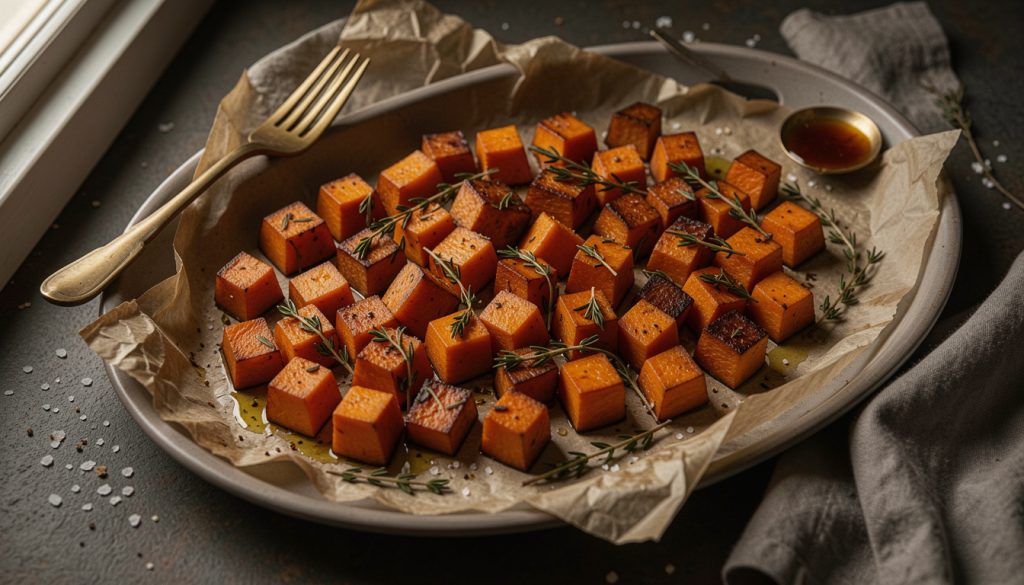

How to cook butternut squash used to humble me. I’d pull a tray out of the oven that looked fine, then bite in and get… watery cubes with zero golden edges.
The fix was not more maple syrup or extra time. It was heat, space, and a boring-but-critical salt habit that makes the squash taste sweet on its own.
This is a butternut squash recipe guide for getting tender centers and caramelized, golden edges in about 45 min total (beginner-friendly, one-pan vegetable side energy). I’ve noticed more people roasting whole vegetables for meal prep lately, and squash is perfect for that. You can keep it plain for weeknight bowls, or finish it sweet or savory depending on what’s on the stove.
1. The Safe Prep Cut: Stable, Seeded, Ready to Roast
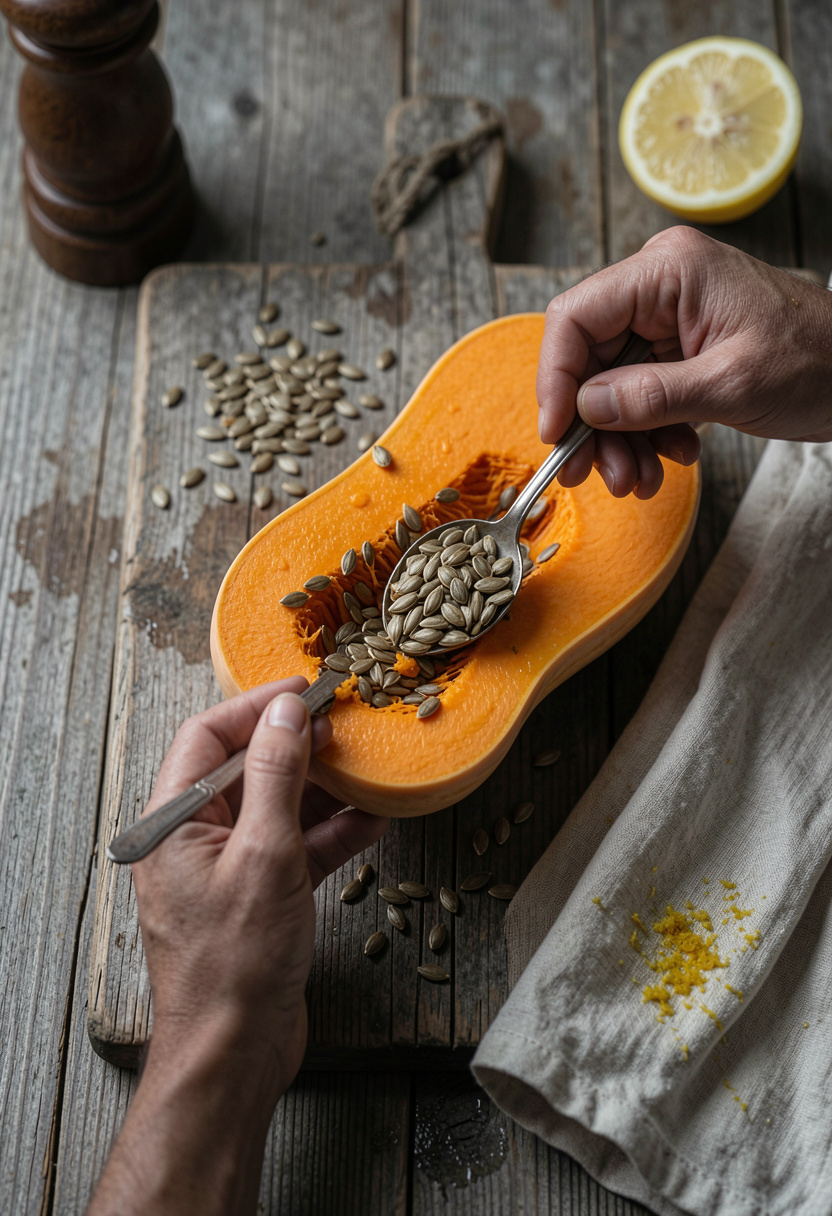

Start by making the squash not fight you. Trim both ends so it sits flat, then cut the squash crosswise where the skinny neck meets the round belly. Now each piece has a stable base, and your knife stops skating around.
A sharp knife matters more than fancy technique. I use a basic chef’s knife and a grippy board, plus an OXO Good Grips vegetable peeler (around $9 to $15) for the neck if I’m doing cubes.
Scoop seeds with a sturdy spoon. If you want to roast halves and scoop later (my favorite low-effort butternut squash from scratch move), you can skip peeling entirely.
Cooking principle: mise en place and safety. The order matters because a stable squash gives you cleaner cuts, which leads to even cooking.
Common mistake: trying to muscle through a rock-hard squash in one long cut. Do the two-piece trick first, then halve each piece lengthwise.
2. Choose Your Cut: Cubes for Crisp, Halves for Ease, Whole for Zero Fuss
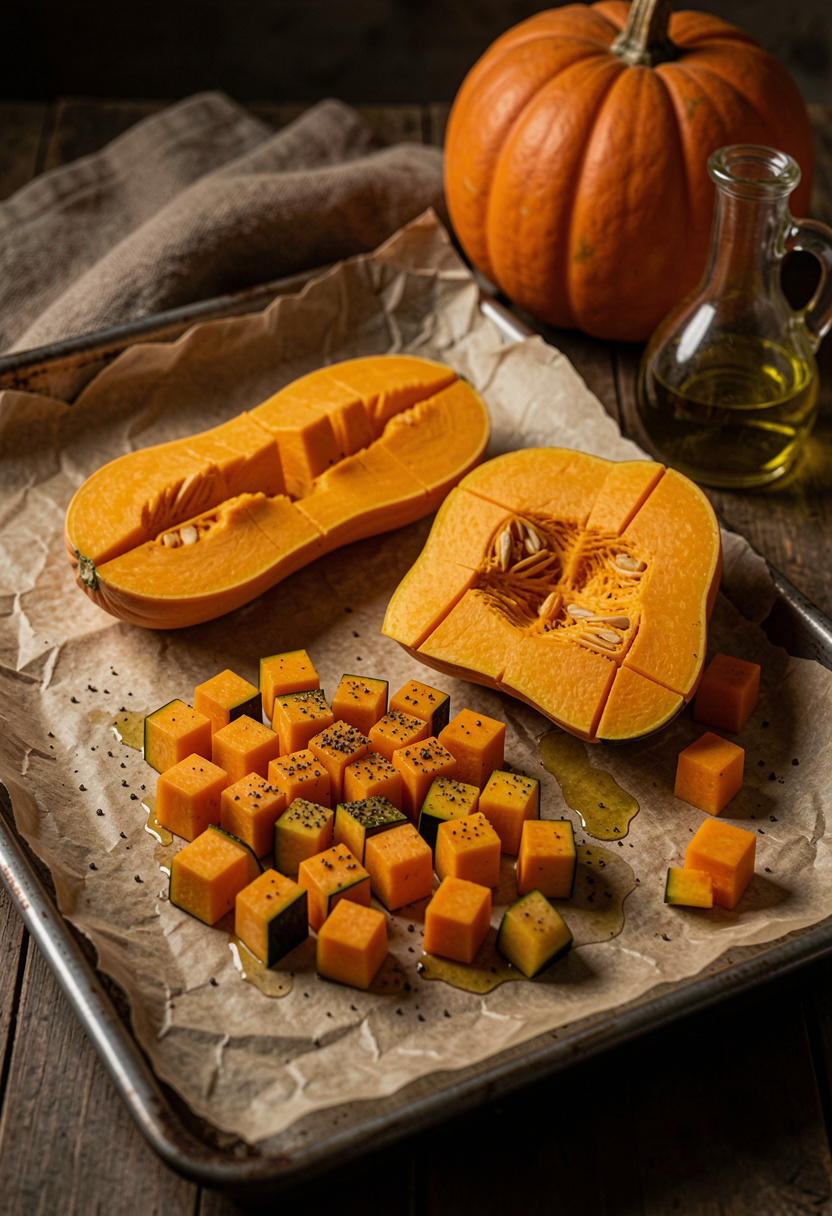

Here’s the best way to cook butternut squash depending on what you want tonight.
Cubes (1-inch) are the roasted butternut squash cubes lane: maximum golden edges, 30 min to 40 min at 425°F. Halves are the “I don’t want to peel” lane: 50 min to 60 min at 400°F, then you scoop for mash or purée. Whole roasted butternut squash is the “I refuse to deal with this vegetable” lane: 1 hr at 375°F to 400°F, then cool and peel or scoop.
Surface area controls browning. Cubes brown fast because they expose more sides to heat. Halves and whole squash cook more gently and end up spoon-soft.
Tool tip that keeps cleanup sane: line your pan with parchment paper sheets (around $8 to $15). For even roasting, a heavy pan like a Nordic Ware half sheet pan (around $18 to $30) helps prevent hot spots.
Common mistake: cutting cubes “kind of close” in size. Uneven pieces mean burnt corners and raw middles. Commit to 1-inch.
3. Seasoning That Makes It Taste Sweet: Oil, Salt, Then One Direction
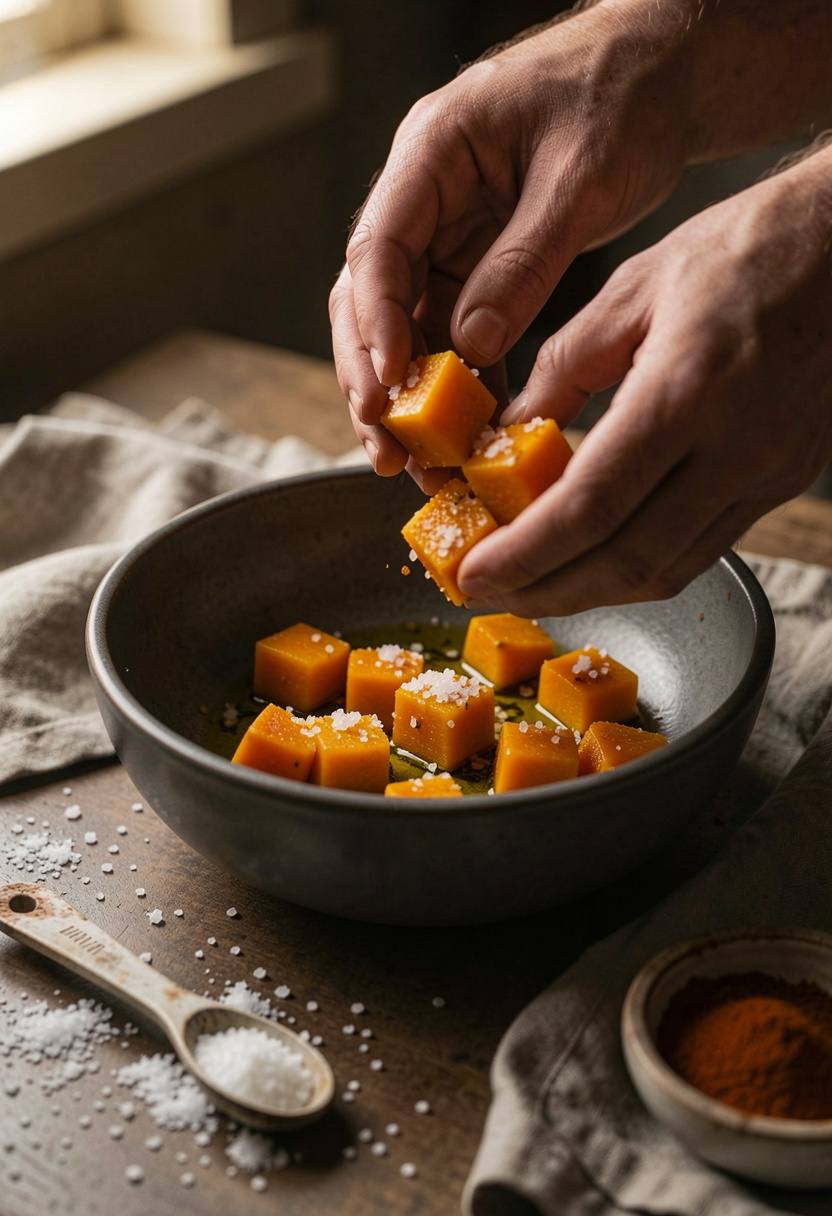

If your squash tastes bland, it usually isn’t the squash. It’s the salt timing. Toss cubes with oil and kosher salt before roasting so seasoning clings and penetrates while moisture evaporates.
For baseline flavor: olive oil, kosher salt, black pepper, and a little garlic powder. I keep Diamond Crystal kosher salt 3 lb box (around $5 to $8) because it’s forgiving to pinch and scatter. For oil, California Olive Ranch everyday extra virgin olive oil (around $12 to $22) tastes clean without being precious.
Pick one lane, not five. Savory: garlic powder plus dried thyme. Sweet: cinnamon plus a small spoon of maple, added late (wet sweeteners slow browning if you start with them). Spicy: chili powder plus cayenne.
Cooking principle: fat carries flavor and helps heat transfer, salt amplifies sweetness.
Common mistake: drowning the cubes in maple at the start. They roast pale and sticky. Roast first, glaze last 5 min if you want shine.
4. The Roast That Gets Golden: High Heat, Single Layer, No Crowding
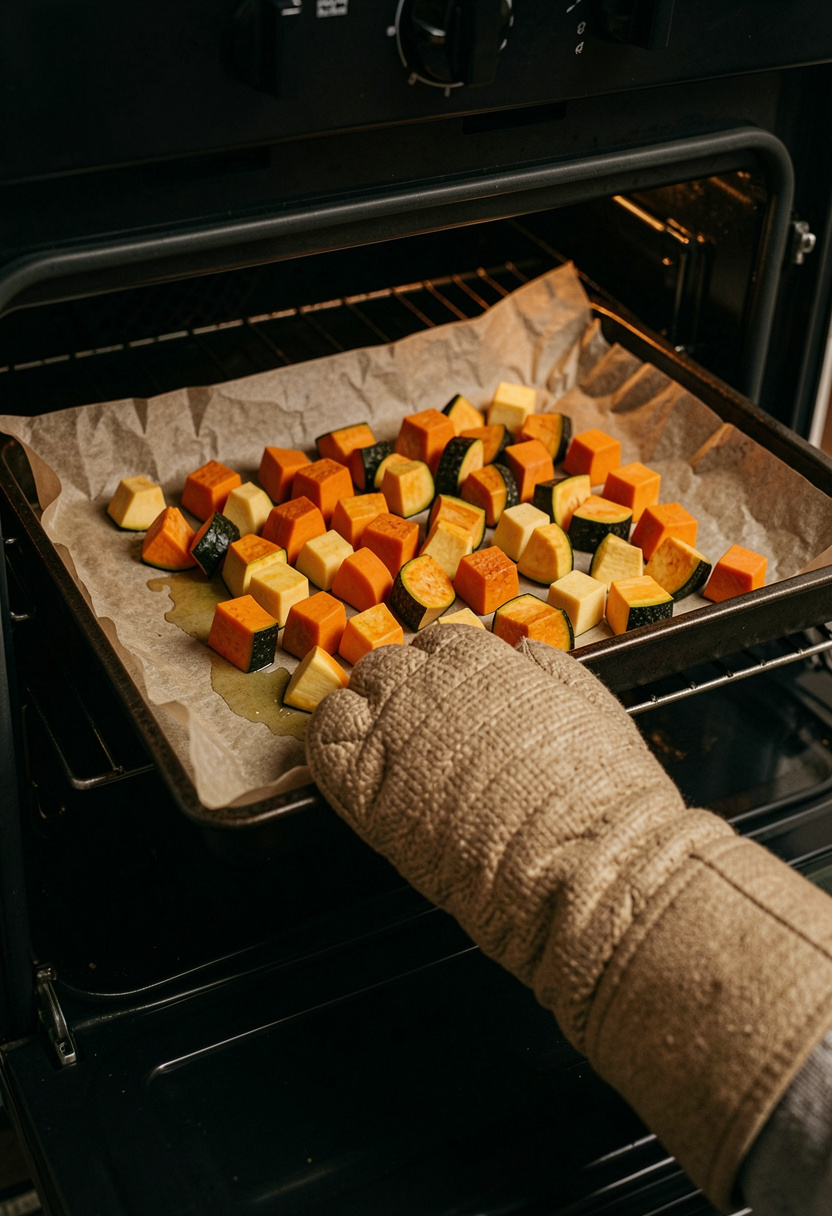

For how to roast butternut squash with caramelized edges, the rule is boring and brutal: give it space. Spread cubes in a single layer with a little breathing room, then roast at 425°F.
Time window: 25 min to 35 min for 1-inch cubes. Flip once around minute 18 so you get color on more sides. You’re looking for browned edges and fork tender centers.
This is the Maillard reaction doing its job, plus moisture evaporation. If the pan is crowded, steam gets trapped and the squash turns soft before it browns. I’ve made that soggy tray more times than I want to admit, usually when I tried to “save a dish.”
If you’re cooking for a crowd, use two pans. Rotate pans top to bottom halfway through for even heat.
Common mistake: roasting at 375°F because it feels safer. That’s the path to pale, sweet-ish squash with no toasty notes. Use 425°F for cubes.
5. The Finish That Makes It Pop: Brown Butter, Feta, or Flaky Salt
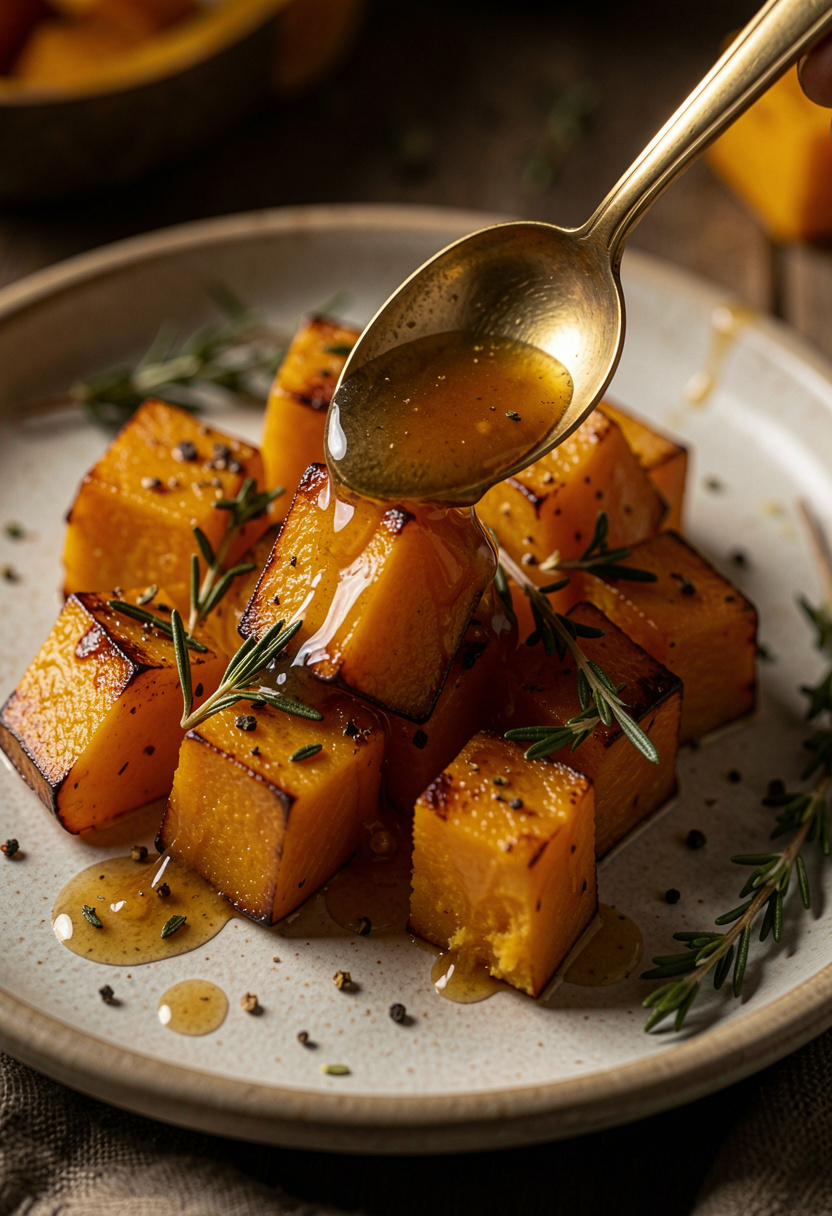

Pull the tray when a fork slides in with no resistance. Then stop cooking it. Butternut squash goes from tender to mushy fast if you let it sit on a hot pan too long.
My favorite under-used upgrade is browned butter. Melt 2 tbsp to 4 tbsp unsalted butter in a small pan over medium heat, swirling until it smells nutty and you see brown flecks (3 min to 6 min). Spoon it over the hot squash and finish with flaky salt. If you want that final crunch, Maldon flaky sea salt 8.5 oz (around $7 to $12) is the move.
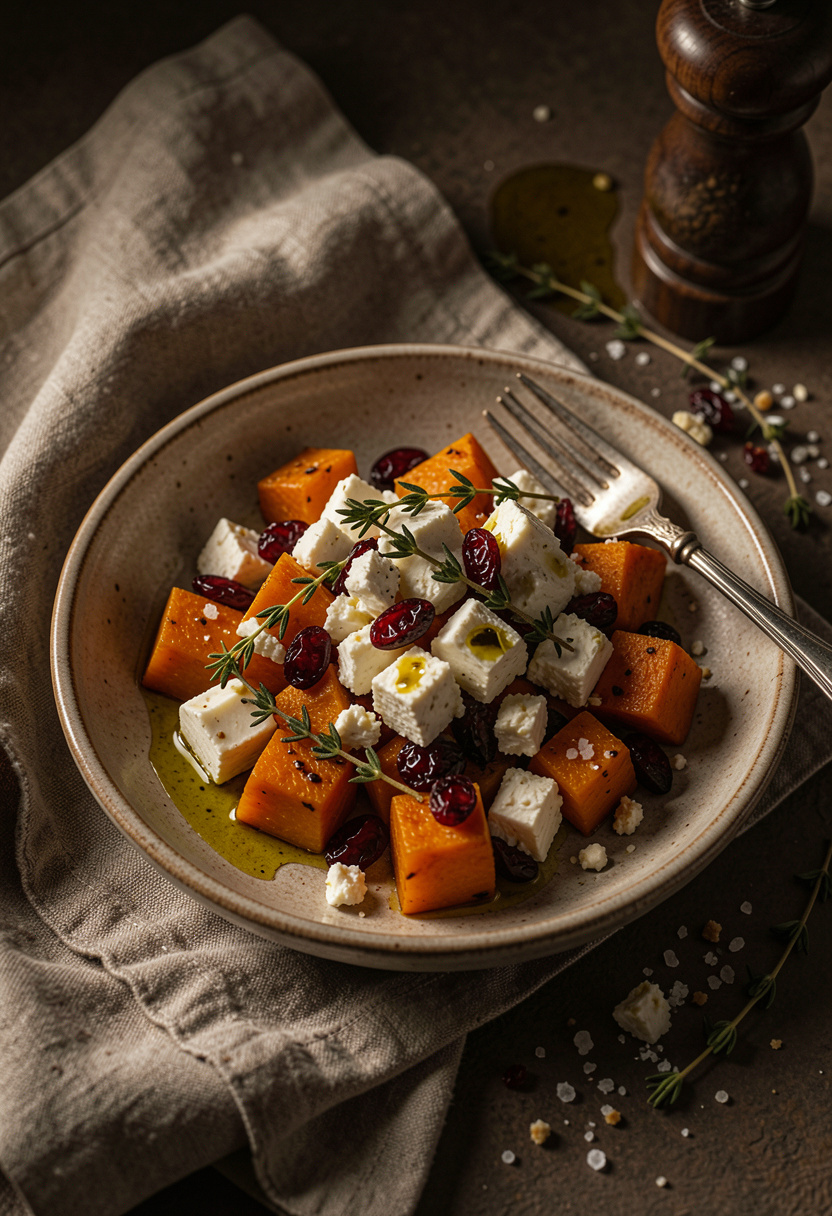
More options: feta plus dried cranberries for a sweet-salty holiday vibe, or a squeeze of lemon if dinner is rich.
Cooking principle: finishing salt and fat land brighter after roasting. They don’t bake off.
Common mistake: adding feta early and roasting it to dryness. Sprinkle after the squash is out.
Common Cooking Mistakes to Avoid
Mistake: Crowding the sheet pan
Why it doesn't work: Steam builds up, so you get soft squash instead of browning.
Do this instead: Split into two pans like a Nordic Ware half sheet pan (more space, better color).
Mistake: Cutting random-size chunks
Why it doesn't work: Small pieces burn before big pieces turn fork tender.
Do this instead: Use a sharp, confident blade like a Microplane premium zester grater for quick zest finish, and keep cubes close to 1 inch.
Mistake: Starting with a wet surface
Why it doesn't work: Water delays browning and makes the pan steamy.
Do this instead: Pat dry, then coat with California Olive Ranch everyday extra virgin olive oil before seasoning.
Mistake: Using microwave squash when you want golden edges
Why it doesn't work: You get tenderness, not caramelization.
Do this instead: Roast at 425°F on parchment paper sheets for browning with easy cleanup.
What You'll Need to Make This
Pantry Staples
Diamond Crystal kosher salt 3 lb box around $5 to $8
California Olive Ranch everyday extra virgin olive oil around $12 to $22
McCormick garlic powder 5.25 oz around $5 to $9
Specialty Ingredients
Pure maple syrup grade A amber around $9 to $18
Feta cheese crumbles 8 oz around $4 to $9
Maldon flaky sea salt 8.5 oz around $7 to $12
Tools That Earn Their Counter Space
Nordic Ware half sheet pan around $18 to $30
OXO Good Grips vegetable peeler around $9 to $15
Instant-read thermometer around $12 to $35
Cookbooks Worth the Shelf
Salt Fat Acid Heat by Samin Nosrat (price range $18 to $28)
The Food Lab by J. Kenji López-Alt (price range $22 to $40)
Budget Swaps
Smoked Spanish paprika 2 oz around $6 to $12 (swap for chili powder when you want smoky without heat)
Aluminum foil heavy duty around $6 to $15 (works when you’re out of parchment)
Shopping Guide for This Recipe
Pick squash with a long neck: More solid flesh, fewer seeds. Costco often has big ones for meal prep, and this works best on a sturdy Nordic Ware half sheet pan (around $18 to $30).
Save on roasting oil, splurge on finishing oil: Use everyday olive oil for heat, then drizzle a nicer bottle like California Olive Ranch everyday extra virgin olive oil at the end (around $12 to $22).
Trend tip for 2025 meal prep vegetables: Roast plain cubes once, then switch flavors all week with McCormick garlic powder 5.25 oz (around $5 to $9) or warm spices.
Out of maple syrup: Brown sugar works, but add it late. Keep pure maple syrup grade A amber on hand (around $9 to $18) for cleaner sweetness.
Make it a composed side fast: Finish with briny feta for contrast using feta cheese crumbles 8 oz (around $4 to $9), especially if dinner is roast chicken or sausage.

Conclusion
If you only take one move from this guide on how to cook butternut squash, take the spacing rule. Single layer at 425°F gets you the sweet, tender, golden payoff.
Then finish like you mean it. A pinch of Maldon flaky sea salt 8.5 oz is small, but it’s the difference between “fine” and “seconds.”
Will you go savory garlic-herb first, or do the browned-butter finish?