


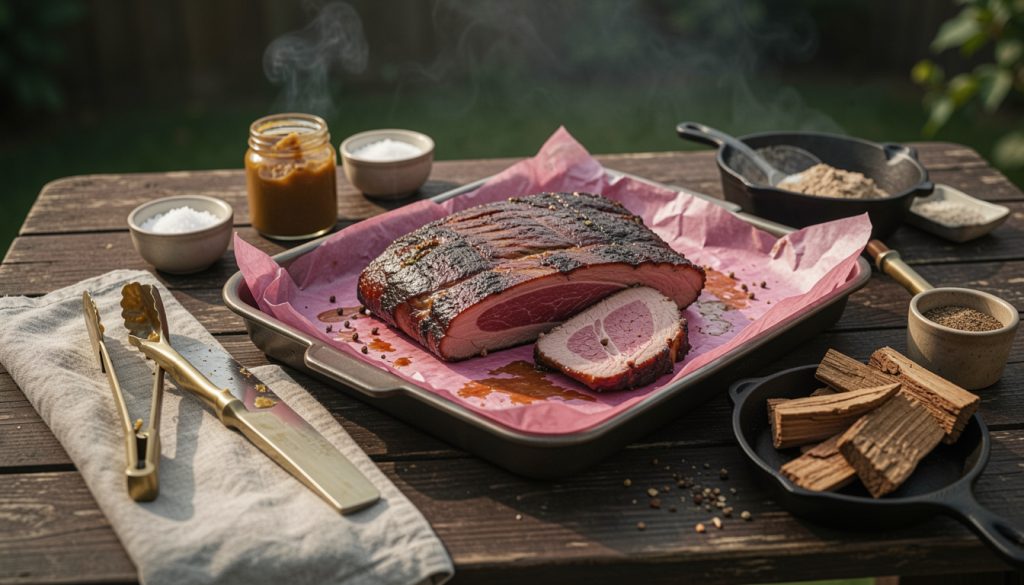

Smoked brisket recipes used to feel like a dare. The first one I made was technically “done” but sliced like boot leather because I trusted time instead of feel. These 13 smoked brisket recipes are the ones that finally gave me that backyard pitmaster vibe: peppery bark, juicy slices, and leftovers worth guarding. Most are weekend-long low and slow cooks (12 to 16 hr), with a few day-2 recipes that turn brisket into a weeknight win.
Expect Texas-style basics, beginner-friendly guardrails, and the two things that fixed my brisket for good: wrapping only after the bark sets (around 165°F) and resting long enough that slicing feels almost boring. Also, the 2025 trend I keep seeing for good reason: minimal-ingredient BBQ where salt, pepper, and clean smoke do the talking.
1. Texas-Style Whole Packer Brisket (Salt + Pepper Bark)
Time: 13 to 16 hr | Difficulty: Advanced | Best For: Weekend BBQ | Diet: GF, dairy-free, high-protein, low-carb
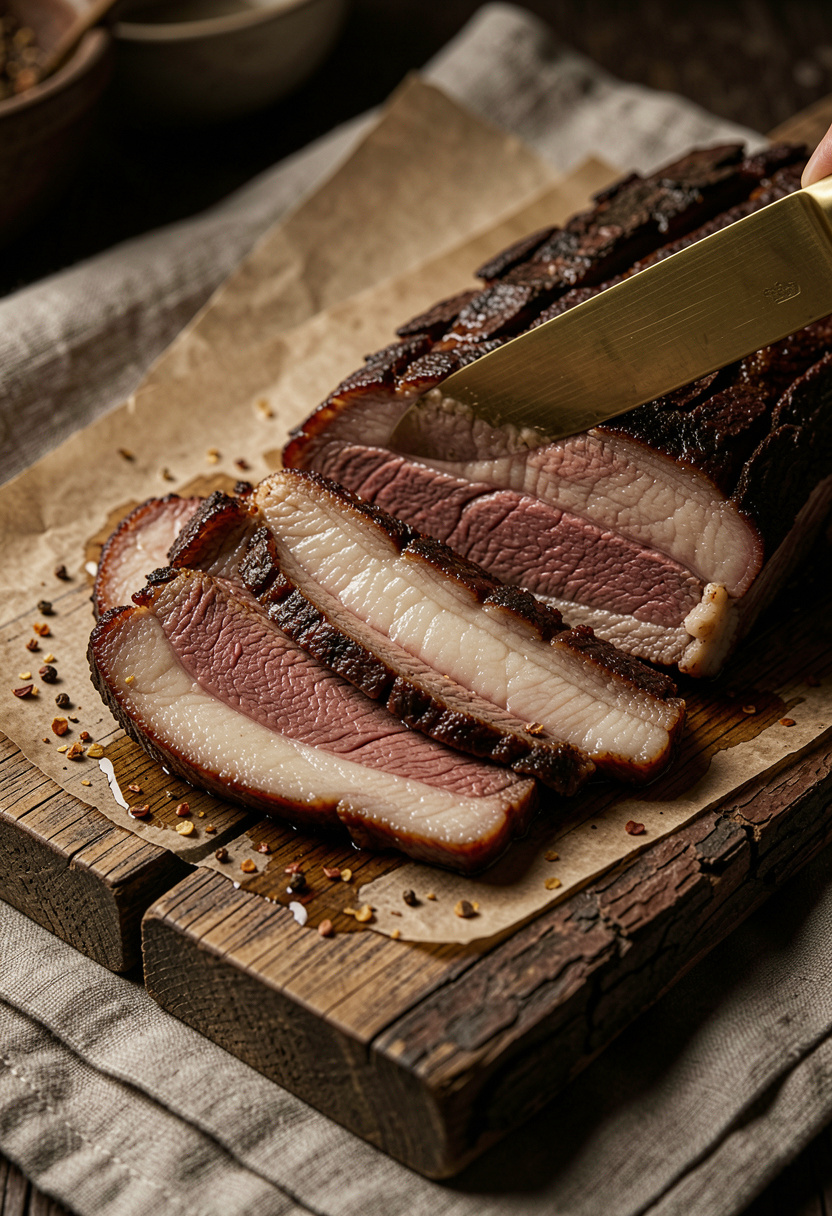

The classic smoked brisket recipe that made me stop buying “fancy” rubs. When the bark is right, salt and pepper tastes like everything you wanted BBQ to be. Grab a roll of pink butcher paper 18 inch roll and commit to the rest.
Ingredients:
- 1 whole packer brisket (12 to 16 lb)
- 3 tbsp Diamond Crystal kosher salt 3 lb box
- 3 tbsp coarse black pepper 16 oz
- 1 tsp garlic powder 8 oz (optional)
- Post oak, hickory, or oak wood
Steps:
- Trim cold brisket to a smooth shape with about a 1/4-inch fat cap.
- Season heavy with salt and pepper. Smoke at 225 to 250°F until bark is deep and brisket hits 165°F internal.
- Wrap tight in butcher paper and keep cooking until 202 to 205°F and a probe slides in like warm butter.
- Rest wrapped at least 1 hr (2 hr is even better) before slicing against the grain.
Shop this recipe:
2. Meathead-Style Brisket (Technique-First, No Guessing)
Time: 12 to 16 hr | Difficulty: Advanced | Best For: First “serious” brisket | Diet: GF, dairy-free, high-protein, low-carb
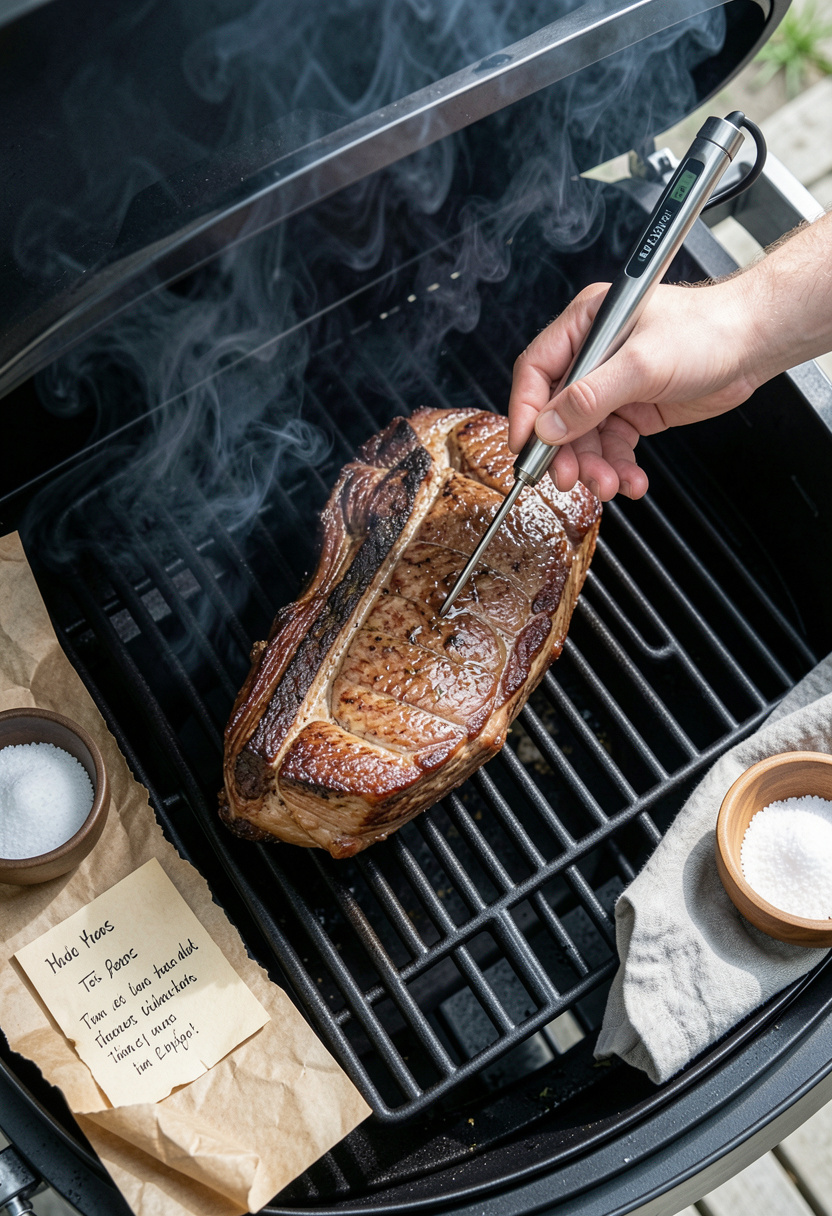

This one is for the “brisket is expensive and I’m nervous” crowd. I stopped hovering and lid-lifting once I started trusting a fast thermometer check with the Thermapen ONE instant-read thermometer instead of vibes.
Ingredients:
- 1 whole packer brisket (10 to 16 lb)
- 2 to 3 tbsp kosher salt
- 2 to 3 tbsp coarse black pepper
- Wood chunks (oak, hickory)
Steps:
- Smoke at 225 to 250°F until the stall hits (usually 160 to 170°F internal).
- Do not wrap early. Ugly truth: early wrap = soft bark, every time.
- Wrap (paper for bark, foil for softer texture), then cook to 202 to 205°F and probe-tender.
- Rest 1 to 2 hr, then slice against the grain. If it looks stringy, you sliced wrong.
Shop this recipe:
3. Beginner-Friendly Pellet Grill Brisket (Clear Temp Targets)
Time: 13 to 17 hr | Difficulty: Medium | Best For: First brisket | Diet: GF, dairy-free, high-protein, low-carb
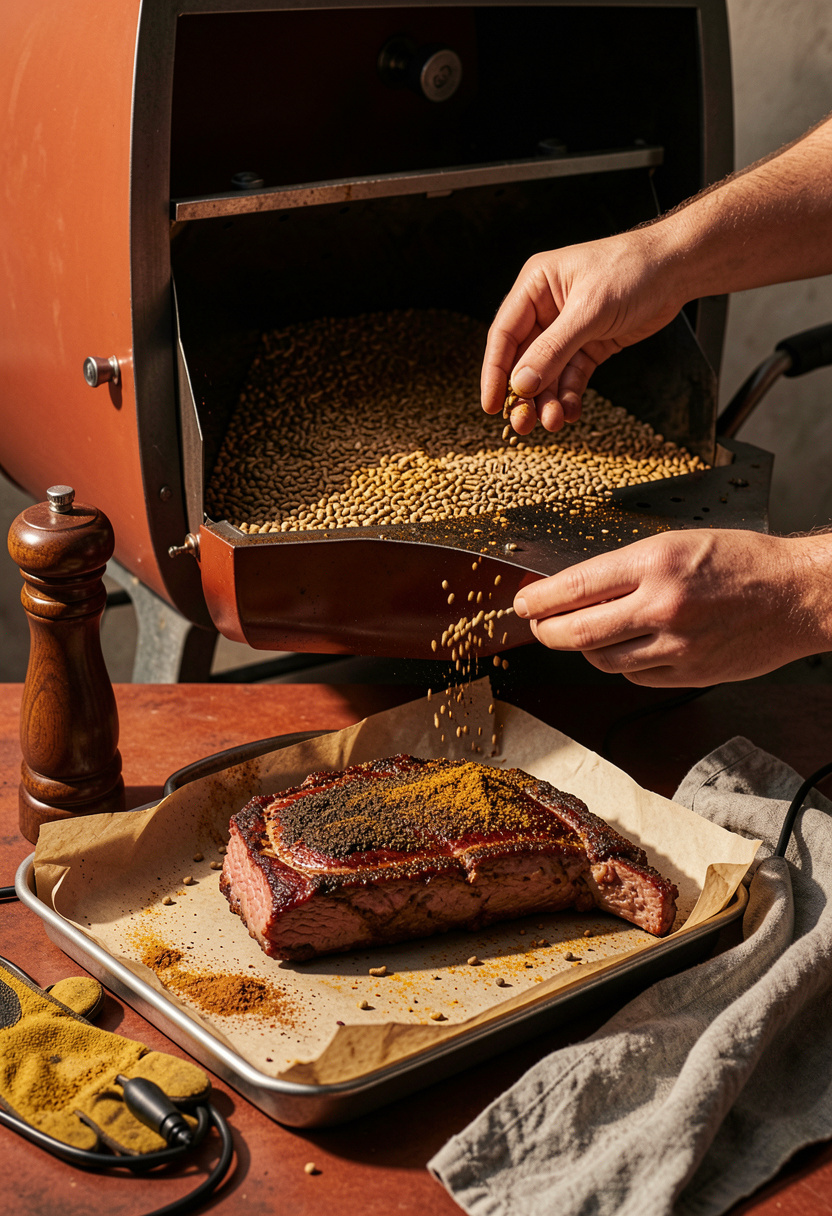

Pellet grills make “how to smoke brisket” feel less like a weather report. If you’re using something like a Traeger Pro 575 pellet grill, this is the path that keeps the cook steady and your sanity intact.
Ingredients:
- 1 brisket (10 to 14 lb)
- 3 tbsp kosher salt
- 3 tbsp coarse black pepper
- 1 tsp garlic powder (optional)
- Pellets (oak or hickory)
Steps:
- Smoke at 225°F until 165°F internal and the bark looks dry and set.
- Wrap in butcher paper. This is the difference between “BBQ” and “roast beef.”
- Raise to 250°F and cook until 202 to 205°F and probe-tender.
- Rest 1 hr minimum. Slice the flat pencil-thick.
Shop this recipe:
4. Mustard Binder Brisket (Bark That Actually Sticks)
Time: 13 to 16 hr | Difficulty: Medium | Best For: Backyard BBQ | Diet: GF, dairy-free, high-protein, low-carb
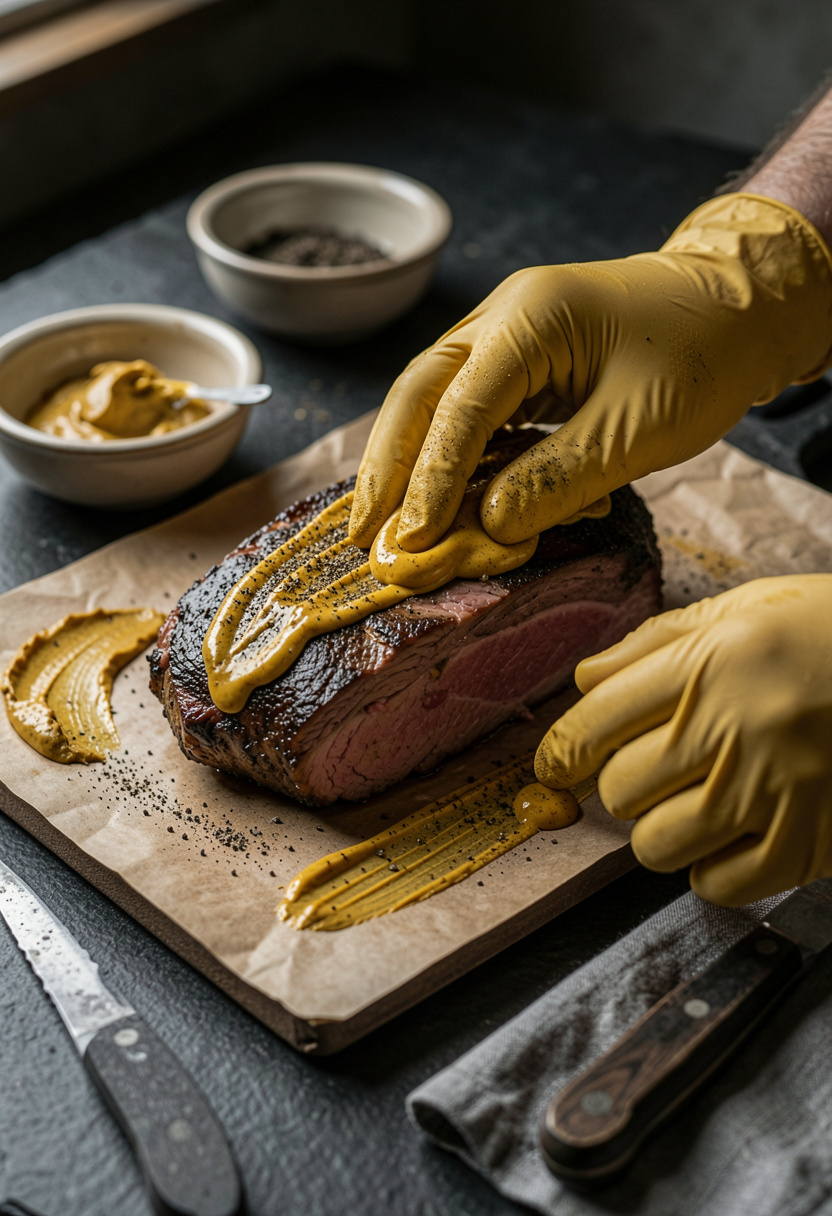

I used to skip binders because I thought it was “extra.” Then I watched half my rub fall off during the first hour. A thin layer of yellow mustard squeeze bottle fixes that and you will not taste mustard after the smoke.
Ingredients:
- 1 whole brisket (10 to 14 lb)
- 2 tbsp yellow mustard
- 3 tbsp kosher salt
- 3 tbsp coarse black pepper
- 1 tbsp onion powder
Steps:
- Spread a very thin mustard coat, then press on the rub.
- Smoke at 250°F until bark is dark and 165°F internal.
- Wrap in butcher paper and finish to 202 to 205°F, probe-tender.
- Rest 1 to 2 hr, slice against the grain.
Shop this recipe:
5. Tallow-Boosted Butcher Paper Brisket (Juicy, Not Soggy)
Time: 14 to 16 hr | Difficulty: Advanced | Best For: “Pitmaster” results | Diet: GF, dairy-free, high-protein, low-carb
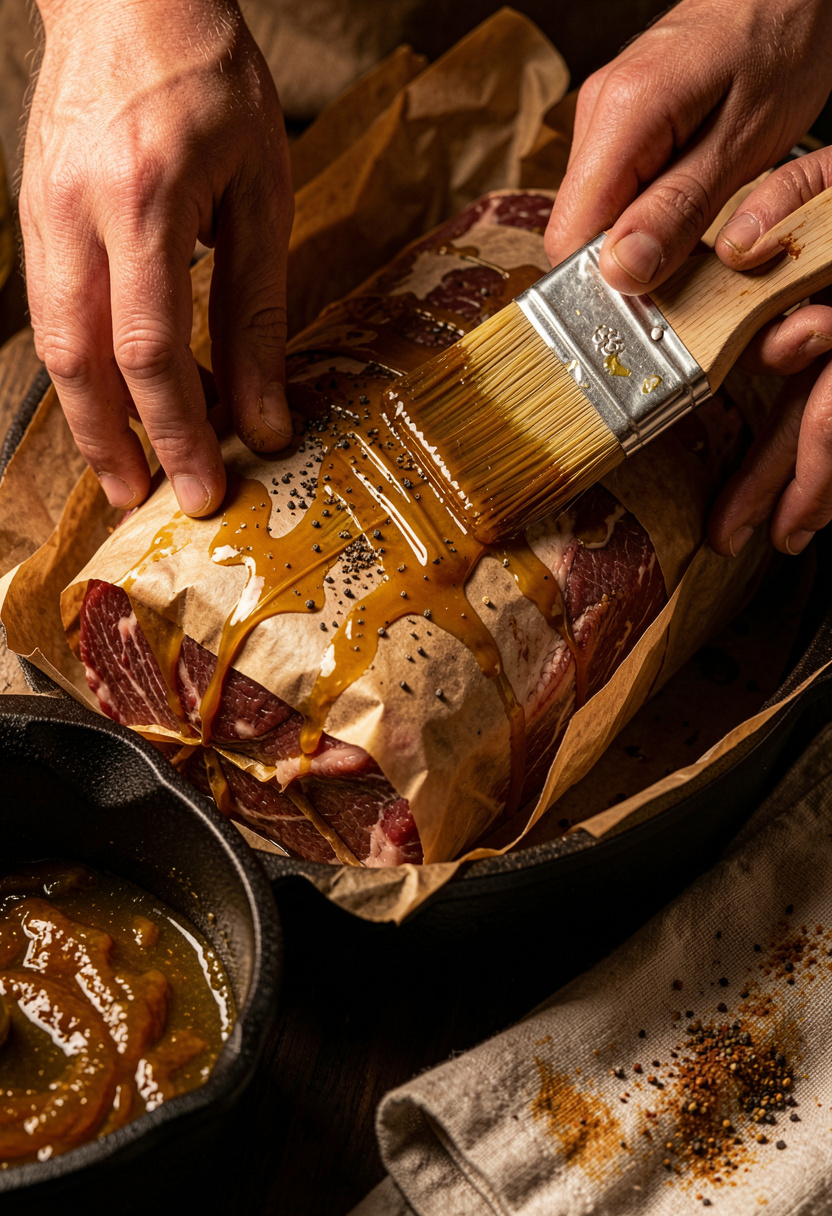

This is the “I want the flat moist but I refuse foil mush” move. Brushing the wrap with beef tallow 7 oz made my last brisket taste like it came from a spot with a line out front.
Ingredients:
- 1 whole packer brisket
- Salt and coarse black pepper (equal parts)
- 2 to 3 tbsp beef tallow
- Pink butcher paper
Steps:
- Smoke at 225 to 250°F until bark sets and brisket reaches 165°F internal.
- Brush butcher paper lightly with tallow, then wrap tight.
- Cook until 202 to 205°F and probe-tender in the point and flat.
- Rest 1 to 2 hr. If you skip the rest, you will watch the juices run away.
Shop this recipe:
6. Post Oak Texas Brisket (Clean Smoke, Classic)
Time: 13 to 16 hr | Difficulty: Advanced | Best For: Texas brisket recipe vibes | Diet: GF, dairy-free, high-protein, low-carb
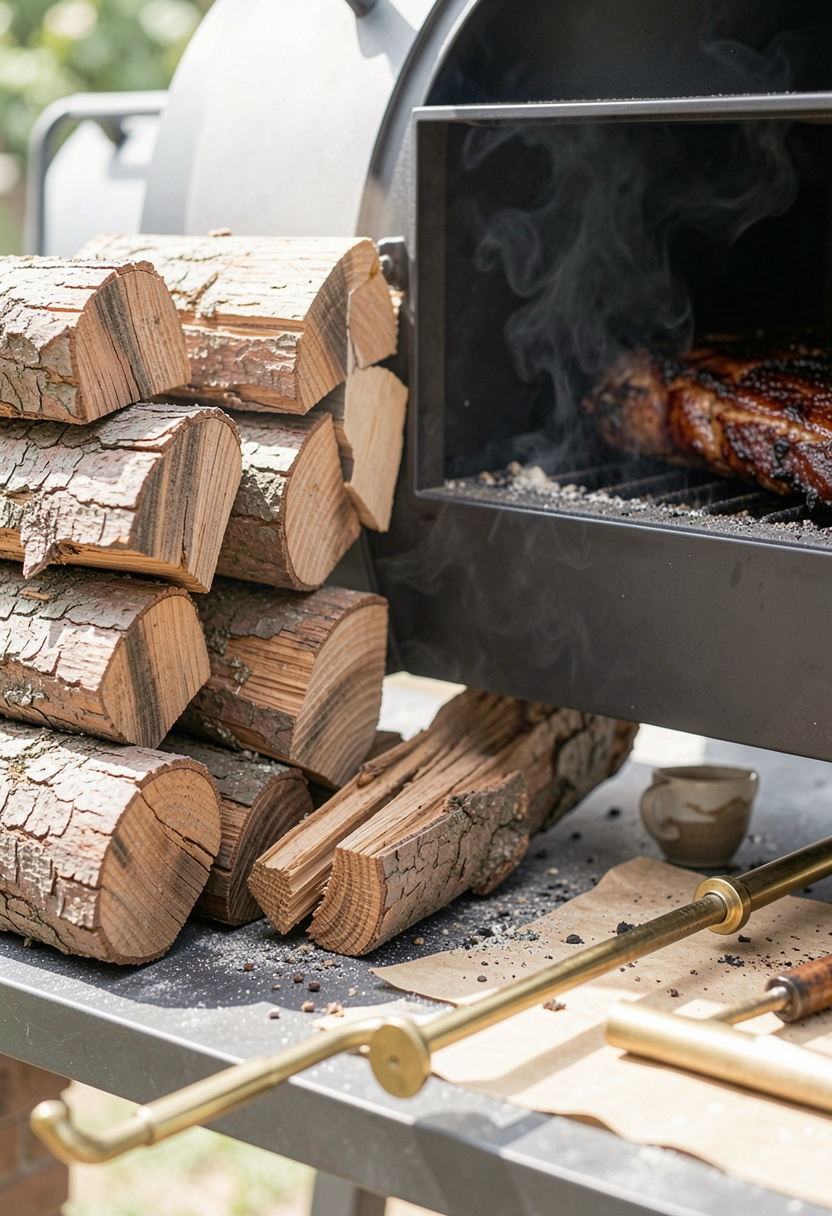

If you’ve ever wondered why some brisket tastes “clean” instead of harsh, wood choice is a big part of it. Post oak is the Texas baseline, and it’s why I started buying my pepper from Penzeys when I wanted that bark pop. Keep it simple with coarse black pepper 16 oz.
Ingredients:
- 1 whole packer brisket
- Kosher salt and coarse black pepper
- Post oak wood chunks
Steps:
- Smoke at 250°F with clean, thin smoke (if it’s billowy and white, it will taste bitter).
- Wrap at 165°F internal in butcher paper.
- Finish at 202 to 205°F and probe-tender.
- Rest 1 to 2 hr, slice against the grain.
Shop this recipe:
7. Hickory Smoked Brisket (Big Backyard Smoke)
Time: 12 to 16 hr | Difficulty: Medium | Best For: Strong smoke lovers | Diet: GF, dairy-free, high-protein, low-carb
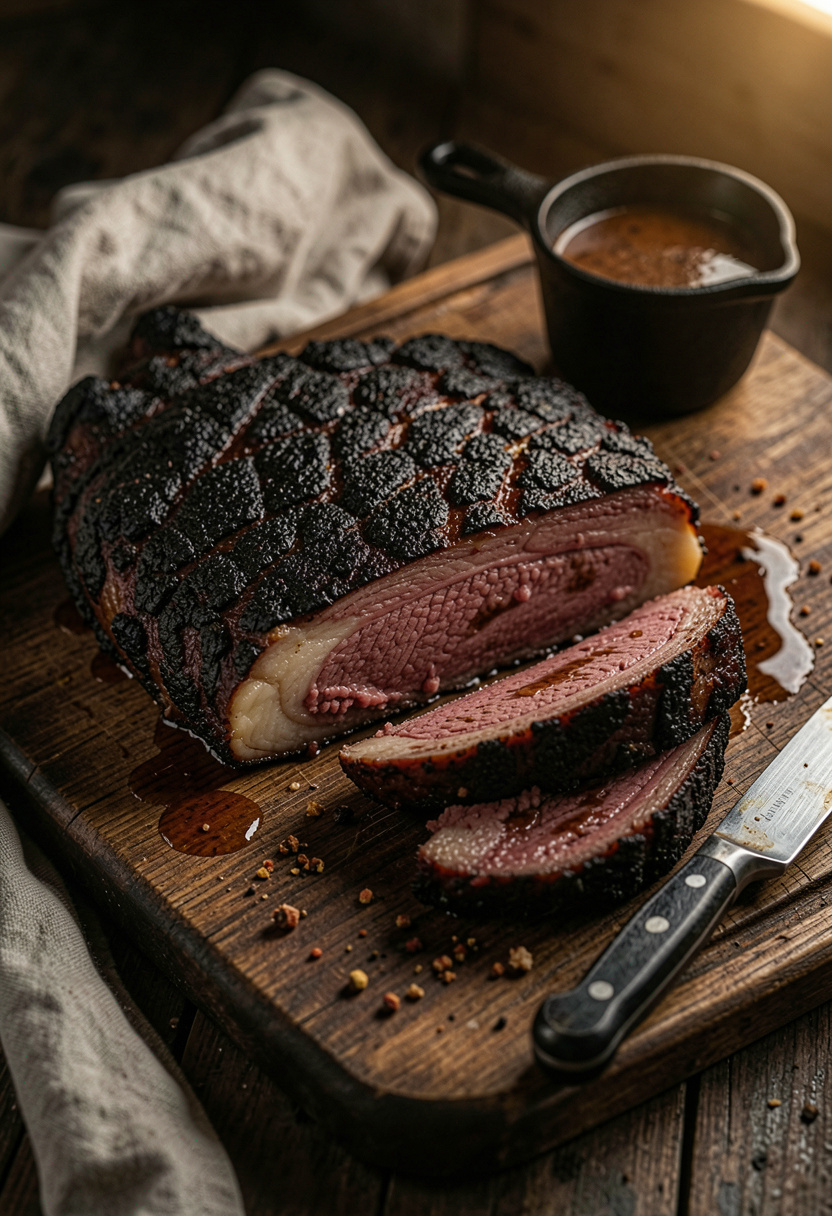

Hickory gives you that “BBQ joint parking lot” aroma. Ugly truth: I over-smoked my first hickory brisket and it tasted like an ashtray. Go lighter on the smoke early, and let the meat do the work. A steady pit is easier with a weber smokey mountain cooker if you’re charcoal-inclined.
Ingredients:
- 1 whole brisket
- Salt and coarse black pepper
- Hickory wood chunks or pellets
Steps:
- Smoke at 250°F, aiming for thin blue smoke, not thick clouds.
- Wrap when bark sets and you hit 165°F internal.
- Cook to 202 to 205°F and probe-tender.
- Rest 1 hr minimum before slicing.
Shop this recipe:
8. Mesquite-Kissed Brisket (Use With Restraint)
Time: 12 to 16 hr | Difficulty: Medium | Best For: Bold flavor | Diet: GF, dairy-free, high-protein, low-carb
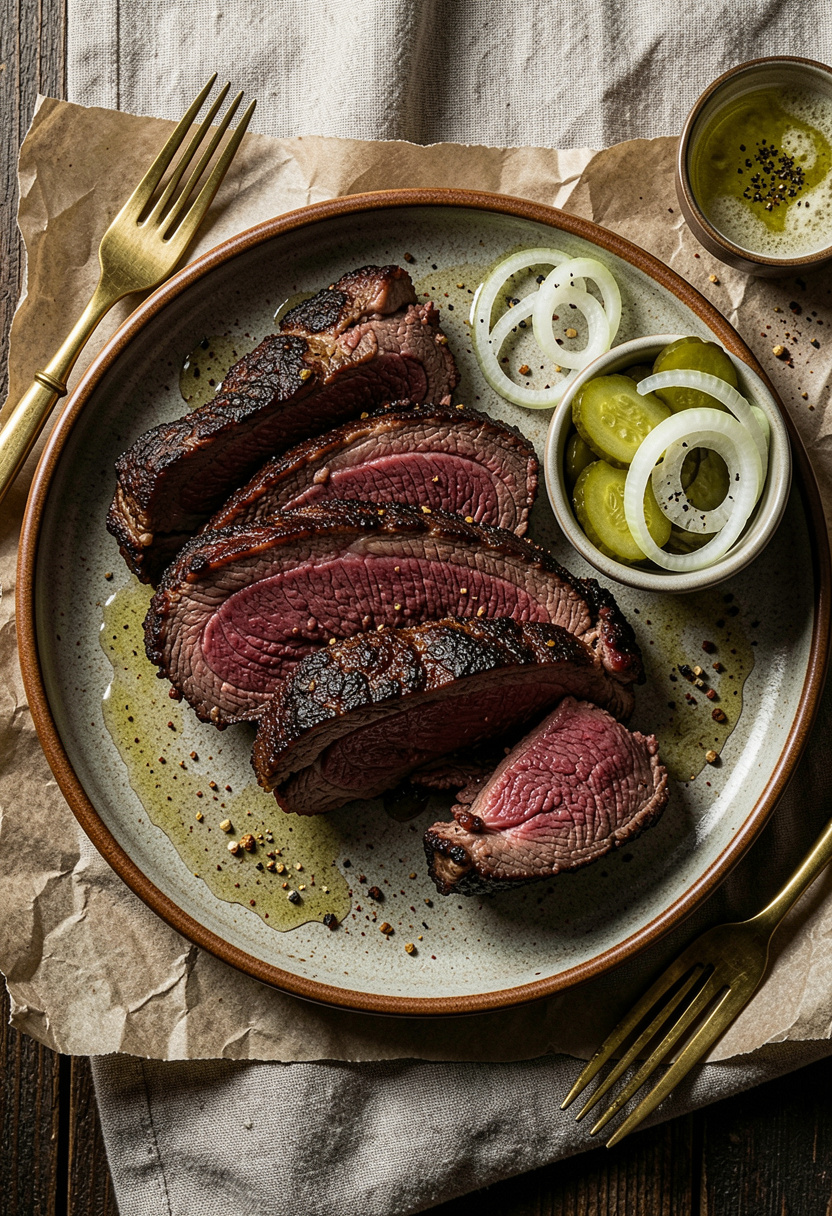

Mesquite is loud. If you treat it like post oak, it can go bitter fast. My fix is blending woods, or using mesquite only for the first 2 hr, then switching to oak. Keep the rub simple and measure salt with Diamond Crystal kosher salt 3 lb box so you do not overdo it.
Ingredients:
- 1 whole brisket
- 3 tbsp kosher salt
- 3 tbsp coarse black pepper
- Mesquite wood (use lightly) plus oak or hickory
Steps:
- Smoke at 250°F with mesquite for 1 to 2 hr, then switch to oak.
- Wrap at 165°F internal once bark is set.
- Finish at 202 to 205°F and probe-tender.
- Rest 1 to 2 hr. Slice thin and serve with something briny.
Shop this recipe:
9. Smoked Brisket Flat (Small Household, No Waste)
Time: 10 to 14 hr | Difficulty: Medium | Best For: Smaller cooks | Diet: GF, dairy-free, high-protein, low-carb
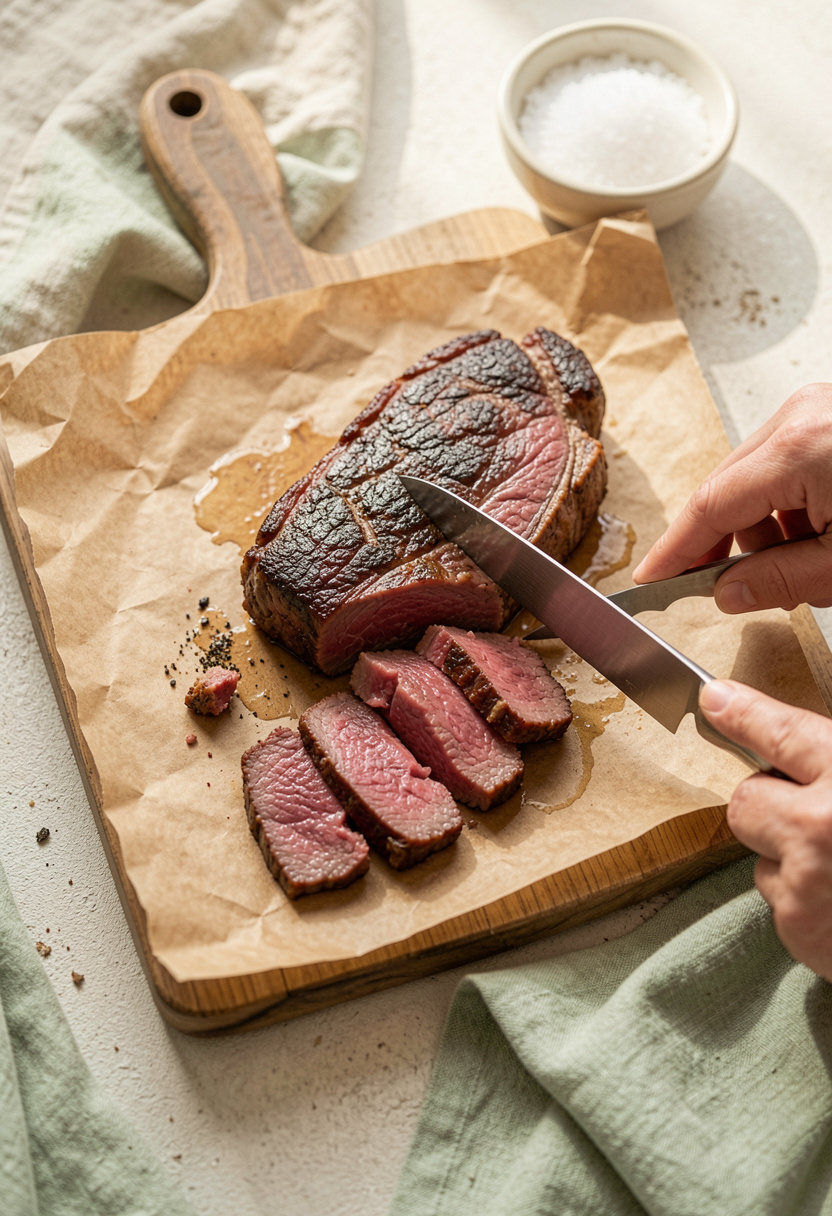

A whole packer is fun until you’re eating brisket for breakfast on day five. The flat is leaner, so it needs a little more babysitting. I rely on quick doneness checks with a Thermapen ONE instant-read thermometer and I never skip the wrap.
Ingredients:
- 1 brisket flat (4 to 7 lb)
- 1 tbsp kosher salt
- 1 tbsp coarse black pepper
- 1/2 tsp garlic powder
- Butcher paper
Steps:
- Smoke at 250°F until 165°F internal and bark sets.
- Wrap in butcher paper (flat dries out fast if you push past the stall unwrapped).
- Cook to 200 to 205°F and probe-tender.
- Rest 1 hr, then slice across the grain, thinner than you think.
Shop this recipe:
10. Overnight Dry-Brined Brisket (Deeper Seasoning)
Time: 13 to 17 hr | Difficulty: Medium | Best For: Best smoked brisket recipe goals | Diet: GF, dairy-free, high-protein, low-carb
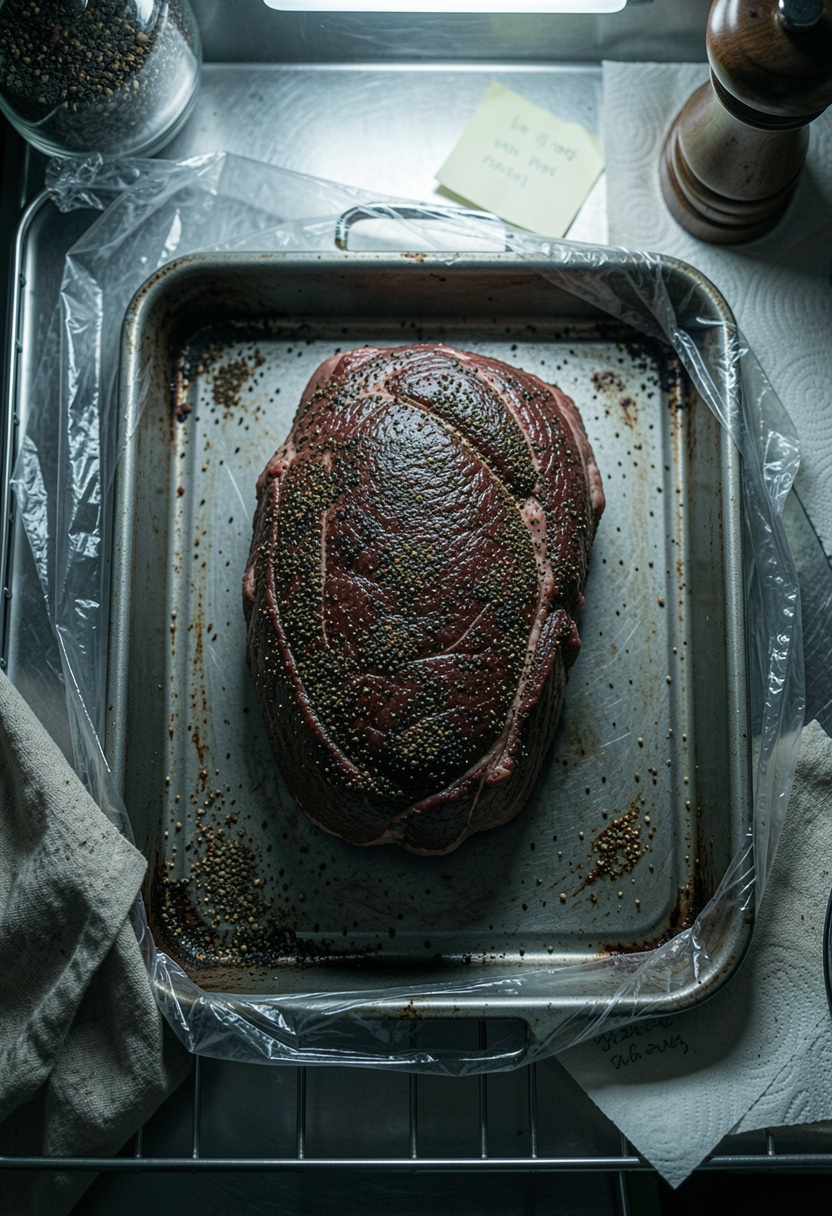

Dry brining is the least flashy thing that makes the biggest difference. The salt has time to work, and the surface dries out so bark forms faster. If you do one “extra” step, do this with Diamond Crystal kosher salt 3 lb box.
Ingredients:
- 1 whole brisket
- 3 tbsp kosher salt
- 3 tbsp coarse black pepper
- 1 tsp garlic powder (optional)
Steps:
- Season brisket, then refrigerate uncovered 8 to 24 hr.
- Smoke at 225 to 250°F until 165°F internal and bark is set.
- Wrap and finish to 202 to 205°F and probe-tender.
- Rest 1 to 2 hr before slicing against the grain.
Shop this recipe:
11. Foil-Wrapped Brisket with Easy Au Jus (Most Forgiving)
Time: 10 to 12 hr | Difficulty: Medium | Best For: Extra-moist slices | Diet: GF, dairy-free, high-protein, low-carb
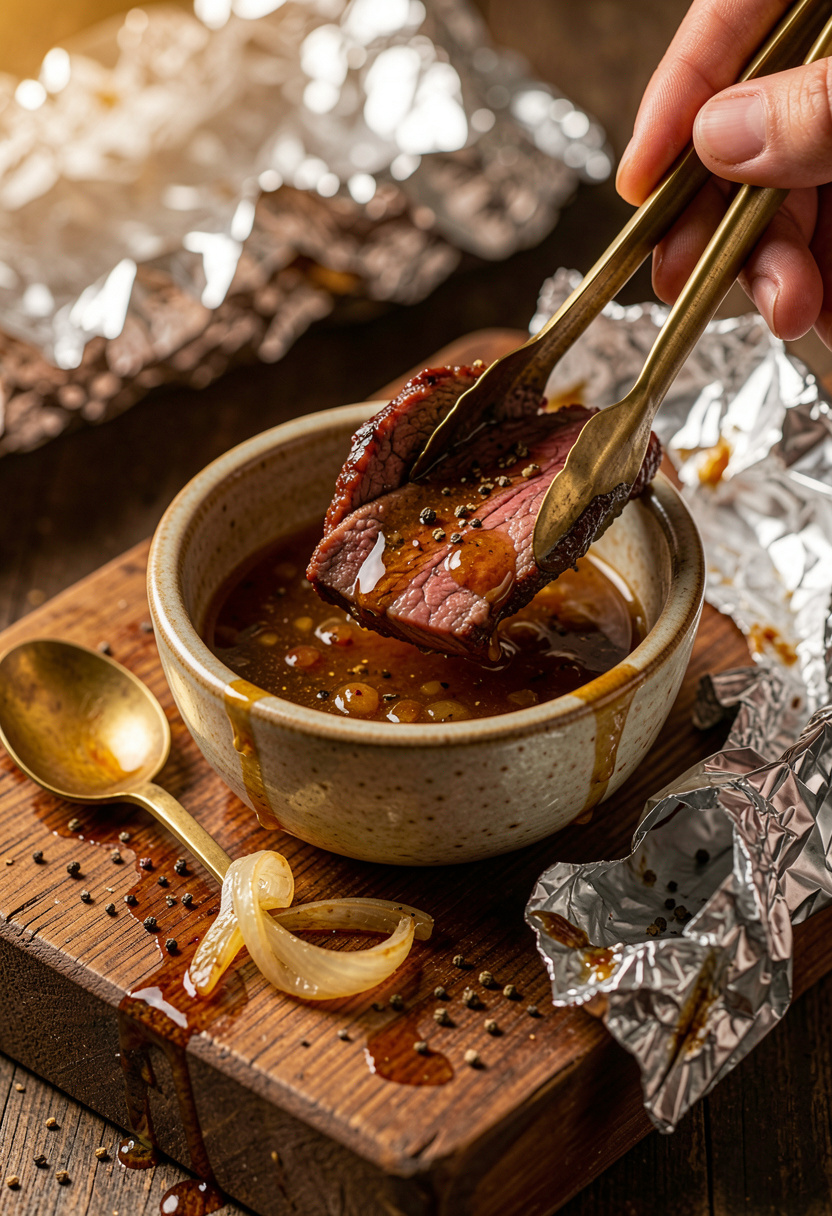

When someone tells me they keep getting dry brisket, I point them here. Foil softens bark, yes, but it’s a safety net for tenderness. Add a splash of Worcestershire for depth with Worcestershire sauce 10 oz.
Ingredients:
- 1 brisket (8 to 12 lb)
- Salt and pepper
- 2 cups beef broth or water
- 1 tbsp Worcestershire sauce
- Heavy-duty foil roll
Steps:
- Smoke at 250°F until 165°F internal.
- Wrap tight in foil with broth and Worcestershire.
- Cook to 202 to 205°F and probe-tender, then save the juices as au jus.
- Rest 1 hr, slice, and spoon jus over the flat.
Shop this recipe:
12. Oven “Smoked” Brisket Fallback (When Weather Wins)
Time: 9 to 10 hr | Difficulty: Medium | Best For: No-smoker days | Diet: GF, dairy-free, high-protein, low-carb
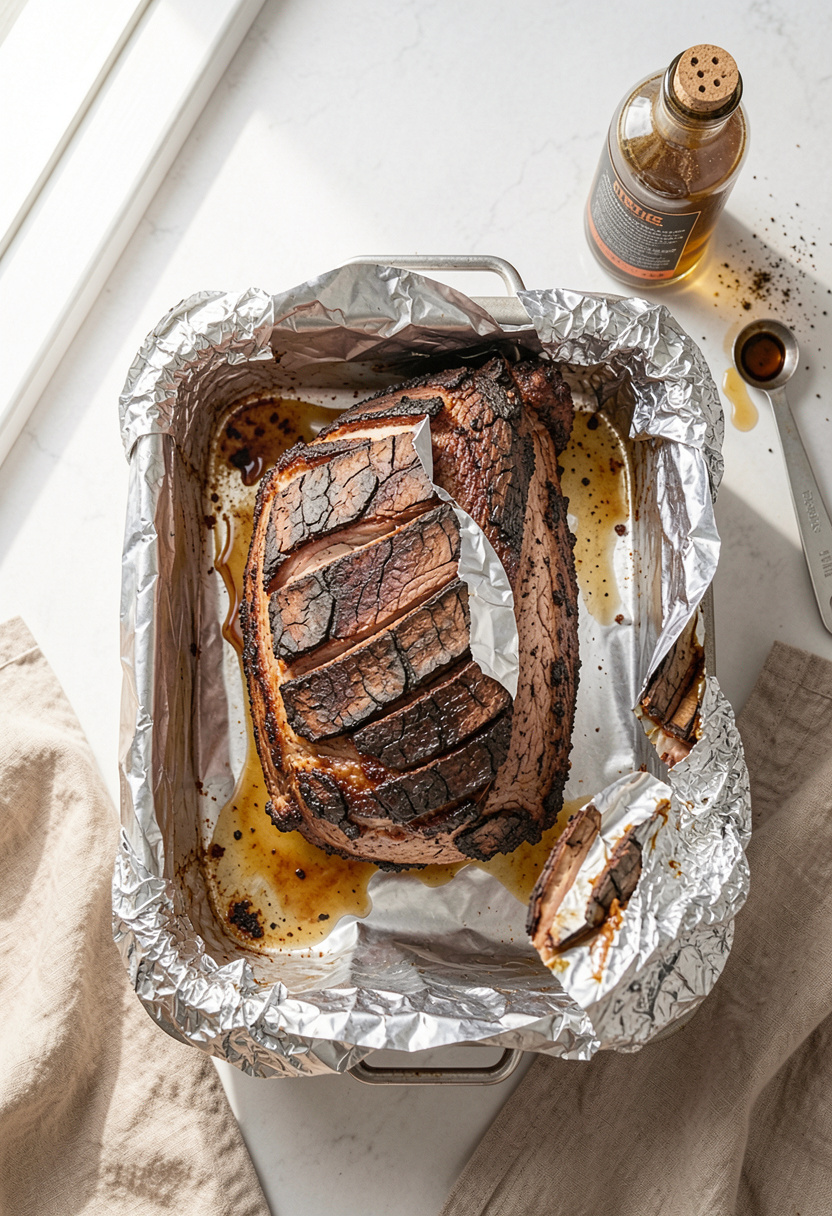

Real talk: liquid smoke does not replace a smoker, and I’ve had it taste fake when I got heavy-handed. But used lightly in an oven braise, it scratches the itch. Start tiny with liquid smoke hickory flavor 4 oz.
Ingredients:
- 1 brisket (5 to 8 lb)
- Salt and pepper
- 2 cups beef broth
- 2 tsp Worcestershire sauce
- 1/2 tsp liquid smoke
- Heavy-duty foil
Steps:
- Season brisket, place in roasting pan with broth, Worcestershire, and liquid smoke.
- Cover tightly with foil and cook at 300°F for 8 to 9 hr until fork-tender.
- Rest 30 min, then slice or shred into the juices.
- If you want more bark, uncover for 10 min under the broiler, watching closely.
Shop this recipe:
13. Leftover Brisket Skillet Hash (30-Min Weeknight Save)
Time: 30 min | Difficulty: Easy | Best For: Weeknights | Diet: GF option, high-protein
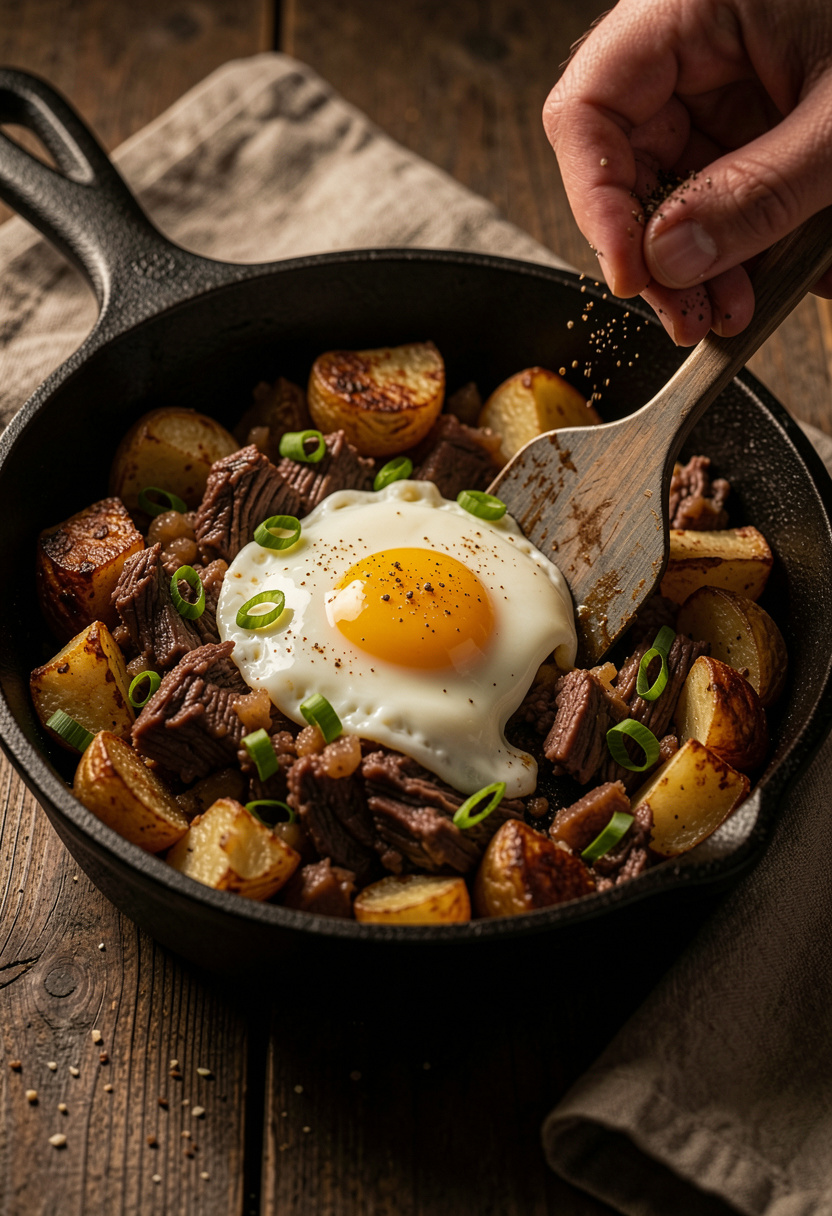

This is the recipe that makes meal prep brisket feel like a reward, not a rerun. The crisping step matters, and a Lodge cast iron skillet 12 inch gives you those browned edges that taste like the best part of the bark.
Ingredients:
- 2 cups chopped leftover brisket
- 2 cups diced potatoes (or thawed hash browns)
- 1/2 onion, diced
- 2 tbsp oil
- 4 eggs
- Salt and pepper
Steps:
- Crisp potatoes in a hot skillet over medium-high heat, 10 to 12 min, stirring only when browned.
- Add onion and brisket, then press into the pan so it sizzles and caramelizes, 5 to 7 min.
- Make wells, crack in eggs, cover, and cook 4 to 6 min until whites set.
- Finish with extra pepper. If it tastes flat, it needed more salt at the end.
Shop this recipe:
What You'll Need to Make These
Pantry Staples
- Diamond Crystal kosher salt 3 lb box around $5 to $8
- Coarse black pepper 16 oz around $8 to $14
- Garlic powder 8 oz around $5 to $10
- Worcestershire sauce 10 oz around $3 to $7
Specialty Ingredients
- Pink butcher paper 18 inch roll around $12 to $22
- Beef tallow 7 oz around $8 to $15
- Liquid smoke hickory flavor 4 oz around $3 to $7
Tools That Earn Their Counter Space
- Thermapen ONE instant-read thermometer around $75 to $110
- Lodge cast iron skillet 12 inch around $20 to $40
- Heavy-duty foil roll around $8 to $18
Cookbooks Worth the Shelf
- Franklin Barbecue by Aaron Franklin (price range $18 to $30)
- Salt Fat Acid Heat by Samin Nosrat (price range $15 to $28)
Budget Swaps
- Unwaxed butcher paper roll around $10 to $18 (works if you cannot find pink)
- Standard probe thermometer around $15 to $35 (good enough if Thermapen is a splurge)
Cooking Tips for These Recipes
Wrap when the bark is ready: Wrap around 160 to 170°F internal only after the crust looks set. Paper keeps bark drier than foil. Keep a roll of pink butcher paper 18 inch roll on hand around $12 to $22.
Dry brine for bolder flavor: Salt the night before so the interior is not bland and the surface dries for Maillard browning. Using Diamond Crystal kosher salt 3 lb box (around $5 to $8) makes measuring more forgiving.
Stop cooking by time alone: Brisket is done when it probes tender, usually around 202 to 205°F, not when your timer says so. A fast check with Thermapen ONE instant-read thermometer (around $75 to $110) keeps you from overcooking the flat.
Minimal-ingredient Texas seasoning is trending for a reason: Overcomplicated rubs taste muddy on beef. Upgrade the one thing you actually taste with coarse black pepper 16 oz around $8 to $14.
Meal prep brisket that does not get boring: Chop leftovers and freeze in flat bags with a splash of jus. Reheat gently, then crisp in a skillet. A Lodge cast iron skillet 12 inch (around $20 to $40) makes leftovers taste newly cooked.
Substitution hack for binder skeptics: Mustard is seasoning glue, not a flavor takeover. If your rub falls off, use yellow mustard squeeze bottle around $2 to $5.
Frequently Asked Questions
Q: How long does it take to smoke a brisket?
A: Plan 12 to 16 hr for a whole packer at 225 to 250°F, plus at least 1 hr rest. Size and the stall change everything. Track temps with a standard probe thermometer.
Q: What temperature do you wrap brisket?
A: Usually 160 to 170°F internal, once the bark is dark and set. Wrapping too early is the fastest way to a soft crust. Use pink butcher paper 18 inch roll.
Q: Do you smoke brisket fat side up or down?
A: Put the fat cap toward the heat source to protect the meat. On many offsets that means fat side down. If you’re unsure, watch pit temps with a grill temperature probe.
Q: How do you know when brisket is done?
A: Probe feel is the answer: the thermometer should slide in with little resistance, typically around 202 to 205°F. Then rest it. Check quickly with a Thermapen ONE instant-read thermometer.
Q: What is the best wood for brisket?
A: Post oak is the classic Texas pick for a clean smoke profile, with hickory stronger and mesquite strongest. If you want to learn the why, Franklin Barbecue by Aaron Franklin lays it out clearly.
Conclusion
Start with the beginner-friendly brisket or the mustard binder version if you want the most reliable first win. The thread through all 13 smoked brisket recipes is boring but true: steady heat, wrap after the bark sets, and rest like you mean it. If you only buy one upgrade, make it a thermometer. Which one are you trying first this week?