
How to plan birthday party food without running out or overspending became painfully real the year I fed 35 people with two tiny pans and one frantic Target run.
You’ll learn how to size portions, pick two crowd-pleasers that scale, use make-ahead hacks, and set up self-serve stations that save time and money. This is beginner-friendly and realistic: expect around 2–3 hours prep across two days, with most hands-off on the party day.
I’m leaning into the plant-forward trend I keep seeing in 2025 menus and the popularity of build-your-own stations. These cut cost and waste while keeping guests happy.
1. Nail The Headcount And Menu Backbone
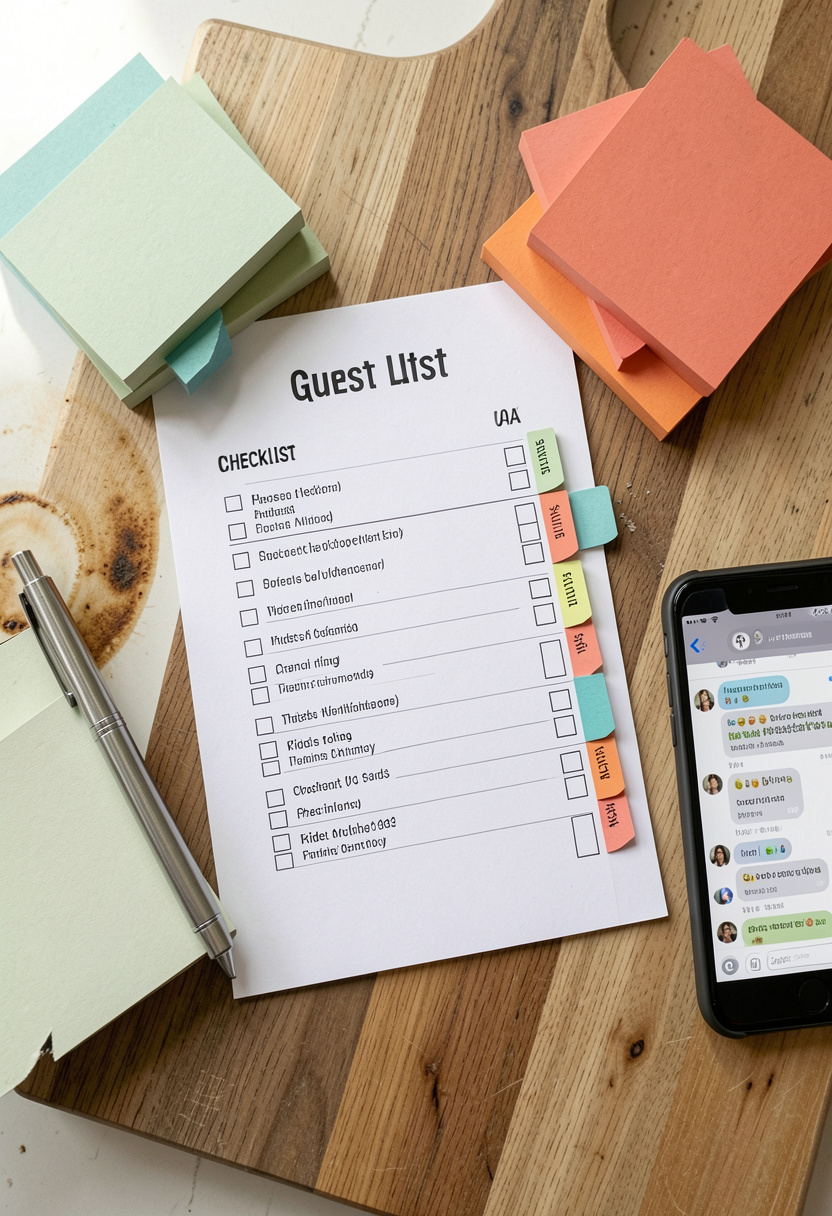
Start with RSVPs and a “yes but maybe” buffer. Professional hosts use a buffer of 8 to 12 percent to avoid shortages. I shoot for exact adults plus 10 percent and count kids as half portions.
Pick one big protein and one big starch or grain so you only scale two recipes. The rule of thumb is 1/3 to 1/2 lb of cooked protein per adult when that’s the main attraction. That keeps cost predictable.
Tools that make this painless: a reliable scale and an instant-read thermometer help you convert recipes; I use a Thermapen MK4 instant-read thermometer approx $75 to $120 and a kitchen scale 11 lb around $15 to $30. The principle is conversion and consistency. Measure once, multiply the recipe, and you avoid guesswork.
Common mistake: guessing portions visually. That causes overspend. Instead calculate by weight and round up modestly.
2. Build Around Two Crowd-Pleasing, Batchable Dishes
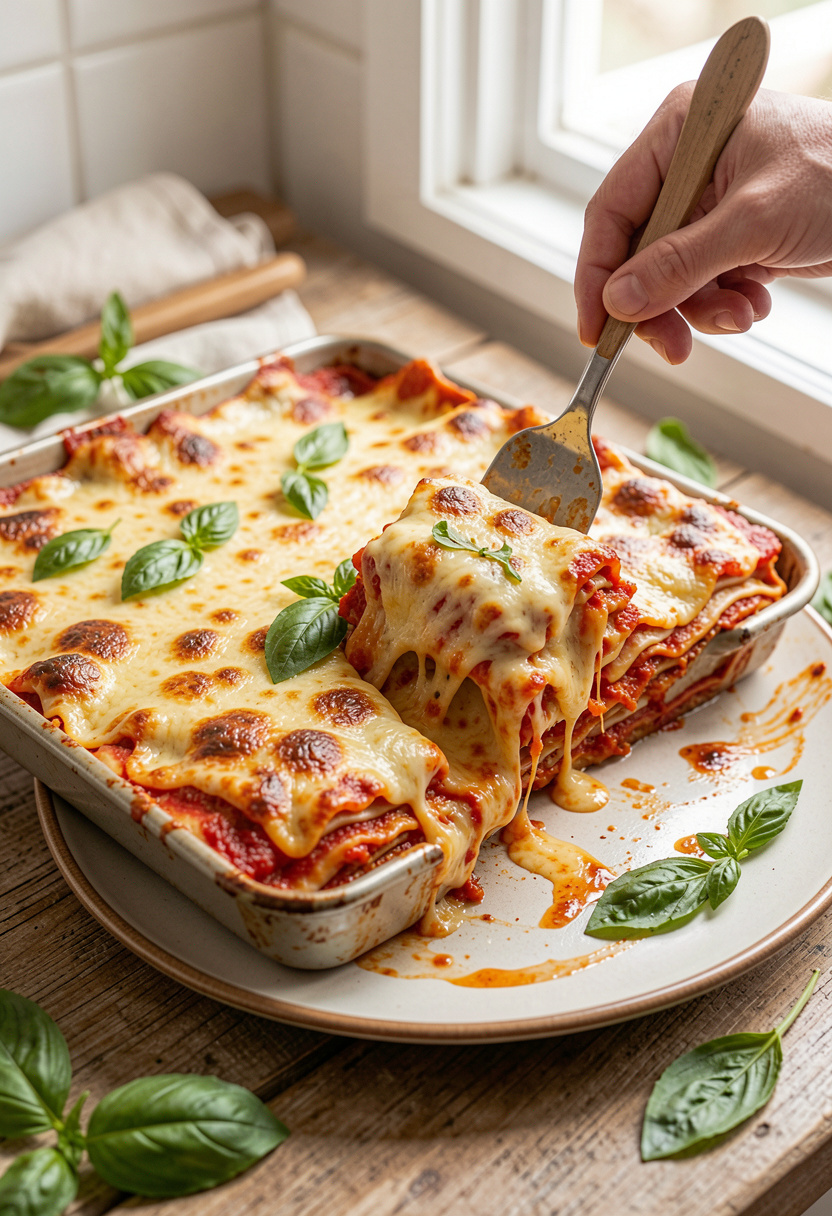
The trick is pick dishes that scale upward without extra hands. Baked pasta, pulled pork in a slow cooker, or big braises work. These give predictable yields and reheatable leftovers.
Recommended gear: two half sheet pans Nordic Ware approx $12 to $25 and a 6 quart Instant Pot Duo around $60 to $120 for hands-off cooking. Flavor detail: braises improve after a day in the fridge because collagen converts to silky gelatin.
Cooking principle: low-and-slow breaks down connective tissue and concentrates flavor. For pulled pork, plan 1/3 lb cooked meat per adult and smoke/roast at 225°F for 1.5 to 2 hr per lb until 195°F internal.
Mistake people make: trying fancy new recipes the day of. Test once at home first and choose a crowd-pleaser you can double.
3. Stretch Sides, Sauces, And The One-Plate Trick
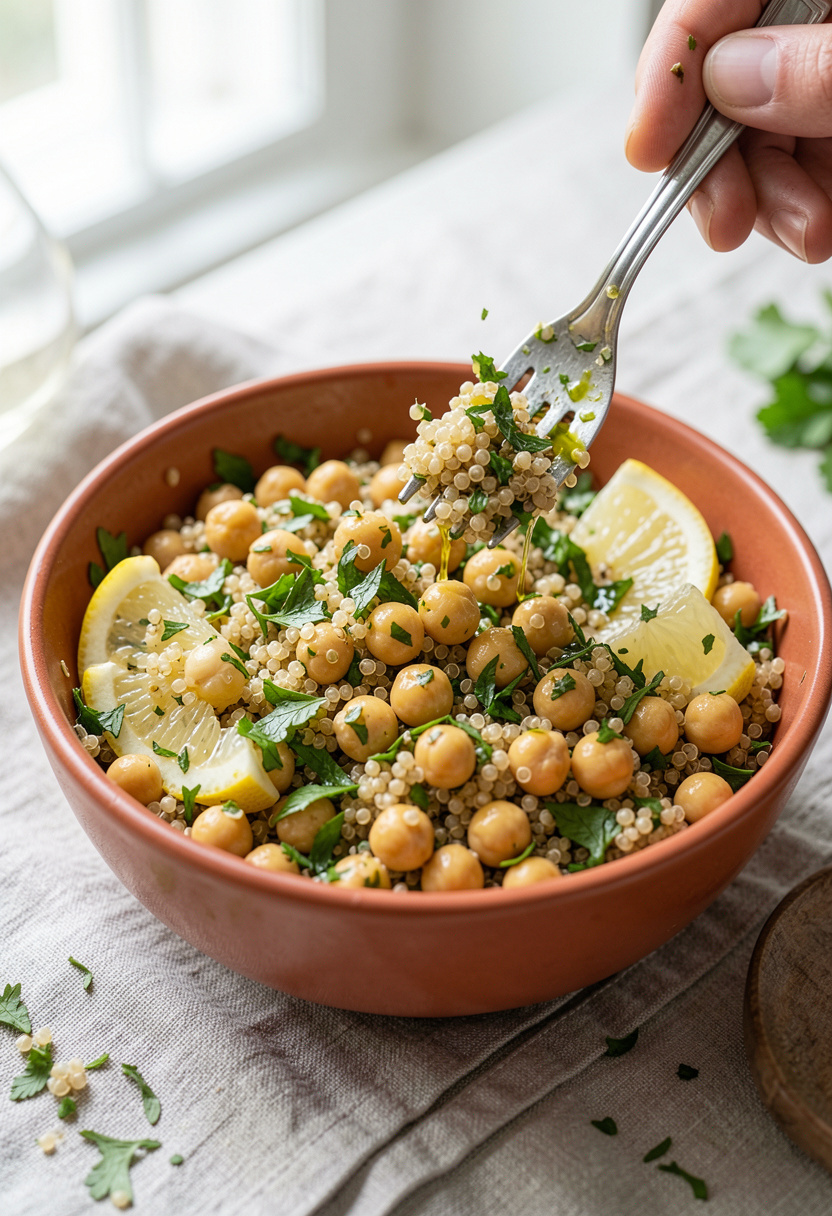
Sides are where you stretch calories without spiking cost. Think big leafy salads, grain bowls, and a warm veg that doubles as a side and snack.
Flavor bridge: acid and oil amplify richness. I make a double-batch vinaigrette with 1 part vinegar to 3 parts oil, then add garlic, mustard, and honey to taste. Use a Maldon flaky sea salt 4.4 oz around $6 to $12 and extra virgin olive oil 1 L approx $10 to $25 for crisp flavor.
Portion guideline: plan 3 sides per adult at about 1/2 cup each when plated buffet-style. Sauces are concentrated and go a long way; one cup of sauce can dress 8 to 10 servings.
Mistake: relying on expensive charcuterie spreads alone. They look great but eat the budget fast. Use one small charcuterie item and bulk it with roasted veg, marinated olives, and toasted bread.
4. Timing, Holding, And Low-Waste Service
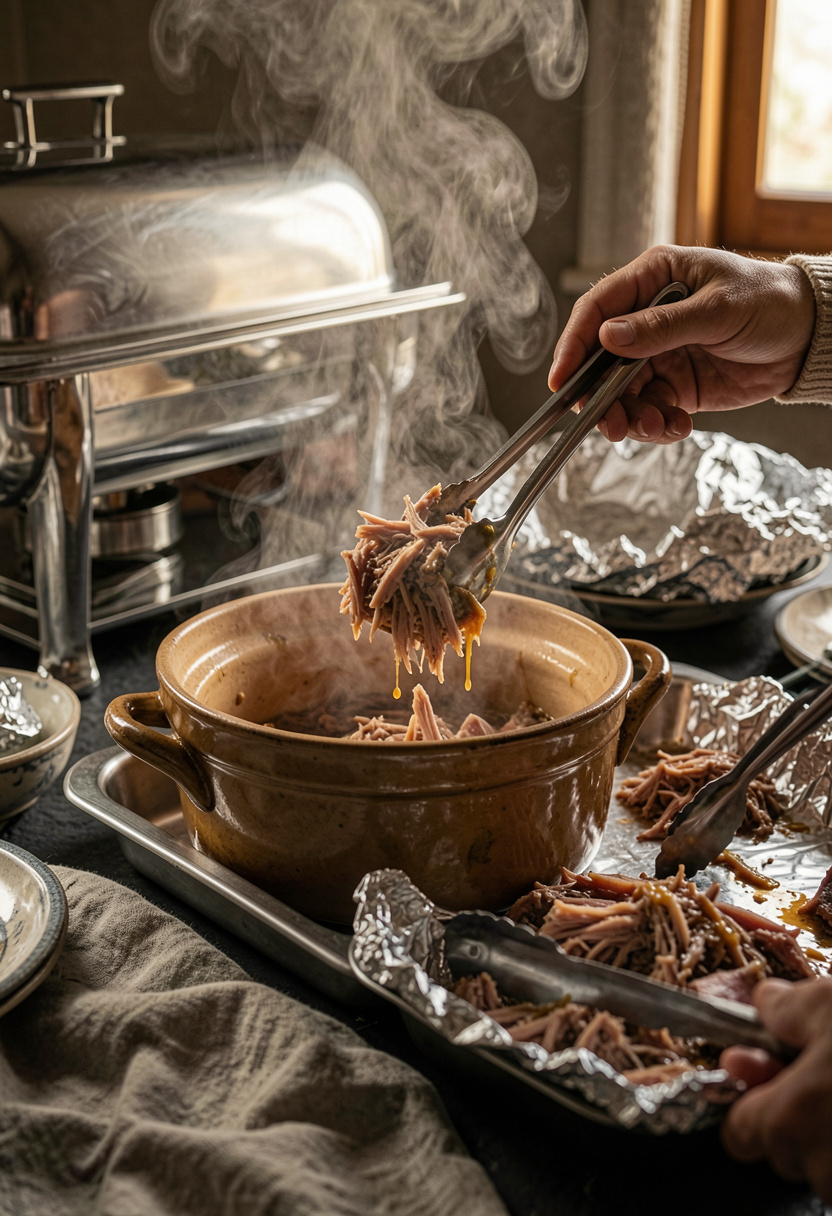
Holding temperature is safety and taste. Hot foods should stay above 140°F and cold below 40°F. Use insulated carriers or a chafing dish stainless 3-pan approx $40 to $80 for buffet service.
Reheating principle: moisture retention. Cover trays with foil and reheat at 325°F until internal temp reaches safe serving temp. For proteins, target 165°F for reheated poultry and 145°F for seafood, then rest.
A cheap and brilliant tip: set up a self-serve station with labels and portion cues. Use disposable bamboo plates 50 pack around $12 to $25 and OXO Good Grips tongs 12 inch approx $10 to $20 to make flow easy.
Common failure: cooking everything too close to serving time and running out of oven space. Stagger reheats and use slow cookers or an oven set to 200°F as holding.
Common Cooking Mistakes to Avoid
Mistake: Over-relying on grazing boards for a whole party
Why it doesn't work: They look plentiful but are expensive per serving.
Do this instead: Add one small Laoganma chili crisp 7.4 oz around $6 to $12 for big flavor and bulk with toasted baguette slices.
Mistake: Not labeling allergens on the buffet
Why it doesn't work: Increases risk and slows service.
Do this instead: Use printable tent cards and list top allergens. A pack of tent cards around $6 to $15 saves confusion.
Mistake: Cooking only novel, untested recipes for a large crowd
Why it doesn't work: Risk of flavor flops and wasted food.
Do this instead: Test one new item and rely on one proven favorite. Keep a slow cooker 6 quart approx $25 to $60 for reliable, hands-off service.
What You'll Need to Make This
Pantry Staples
Diamond Crystal kosher salt 3 lb box around $5 to $8
Extra virgin olive oil 1 L approx $10 to $25
Maldon flaky sea salt 4.4 oz around $6 to $12
Specialty Ingredients
Laoganma chili crisp 7.4 oz around $6 to $12
Good quality mustard 8 oz jar approx $4 to $8
Tools That Earn Their Counter Space
Thermapen MK4 instant-read thermometer approx $75 to $120
Nordic Ware half sheet pan approx $12 to $25
OXO Good Grips tongs 12 inch approx $10 to $20
Cookbooks Worth the Shelf
Salt Fat Acid Heat by Samin Nosrat (price range $18 to $28)
The Food Lab by J. Kenji Lopez-Alt (price range $18 to $35)
Budget Swaps
Disposable bamboo plates 50 pack around $12 to $25 (Aldi often has cheaper compostable options)
Aluminum foil pans 10 pack approx $10 to $18
Shopping Guide for This Recipe
Plan Portions: Use the 1/3 to 1/2 lb protein rule to estimate meat; scale with a kitchen scale around $15 to $30.
Freshness Tip: Buy leafy greens the day before and store in a salad spinner approx $10 to $25 to keep crisp.
Substitution Hack: Out of buns? Toast sliced baguette — a Nordic Ware sheet pan makes crisp crostini cheap.
2025 Trend: Lean toward plant-forward mains to save cost and appeal; add a large grain like farro 2 lb bag approx $4 to $8.
Splurge vs Save: Splurge on a good olive oil 1 L for dressings; save on servingware with disposable bamboo plates.
Conclusion
Start by locking the guest list and choosing the two dishes you’ll scale. That one decision controls food cost, labor, and waste.
A final finishing principle: acid brightens heavy dishes. Keep lemons and a jar of good vinegar on the table for guests to tweak flavors.
Will you try the dry-brined roast or the slow-cooker pulled pork first?