





My first try at making mango ice cream tasted like icy juice pops.
How to make mango ice cream was supposed to be simple, but the texture was grainy and the flavor faded after one bite.
I tested this recipe a dozen times so you can skip my mistakes and have creamy, mango-forward ice cream in under 10 minutes of hands-on work plus freezing.
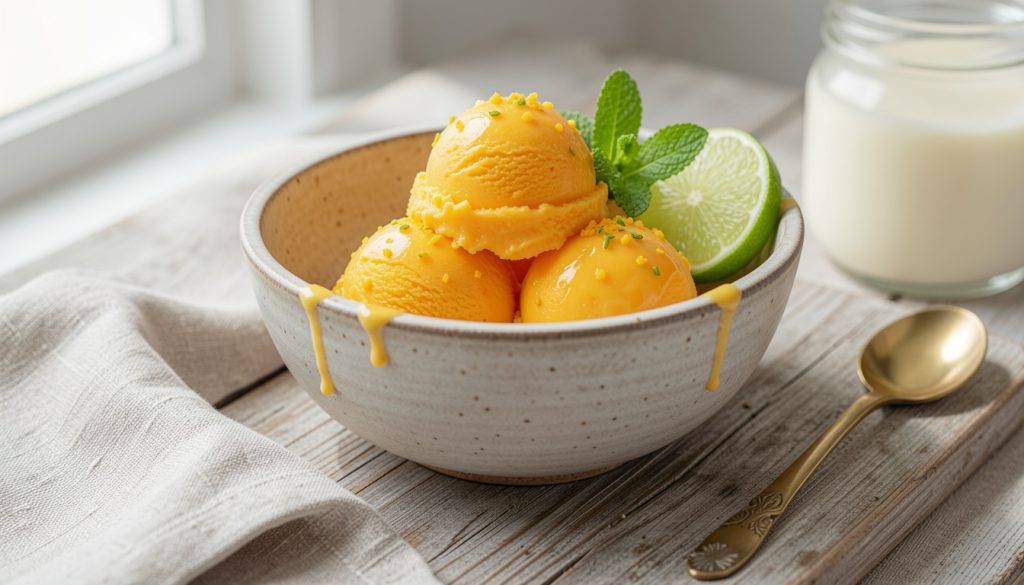
Mango-forward, bright, and creamy is the result you'll learn to nail — with four ingredients and one small trick.
Mango is tropical and sweet, leaning toward tangy when ripe. This recipe is very beginner-friendly: about 10 min active time, 4 hr to overnight freeze, and no churning required if you want a softer scoop.
I cook this for weeknight dessert or to stash in the freezer for guests. Lately grocery cases lean toward fruit-forward, minimal-ingredient ice creams — I see it on shelves and in recipe feeds.
A useful stat: India still supplies roughly 40 percent of the world’s mangoes (FAO), so fresh options are seasonal. The ice cream market is growing, and fruit-based, lower-ingredient options are increasingly popular (Statista observation).
1. Pick And Prepare Ripe Mangoes For Peak Flavor
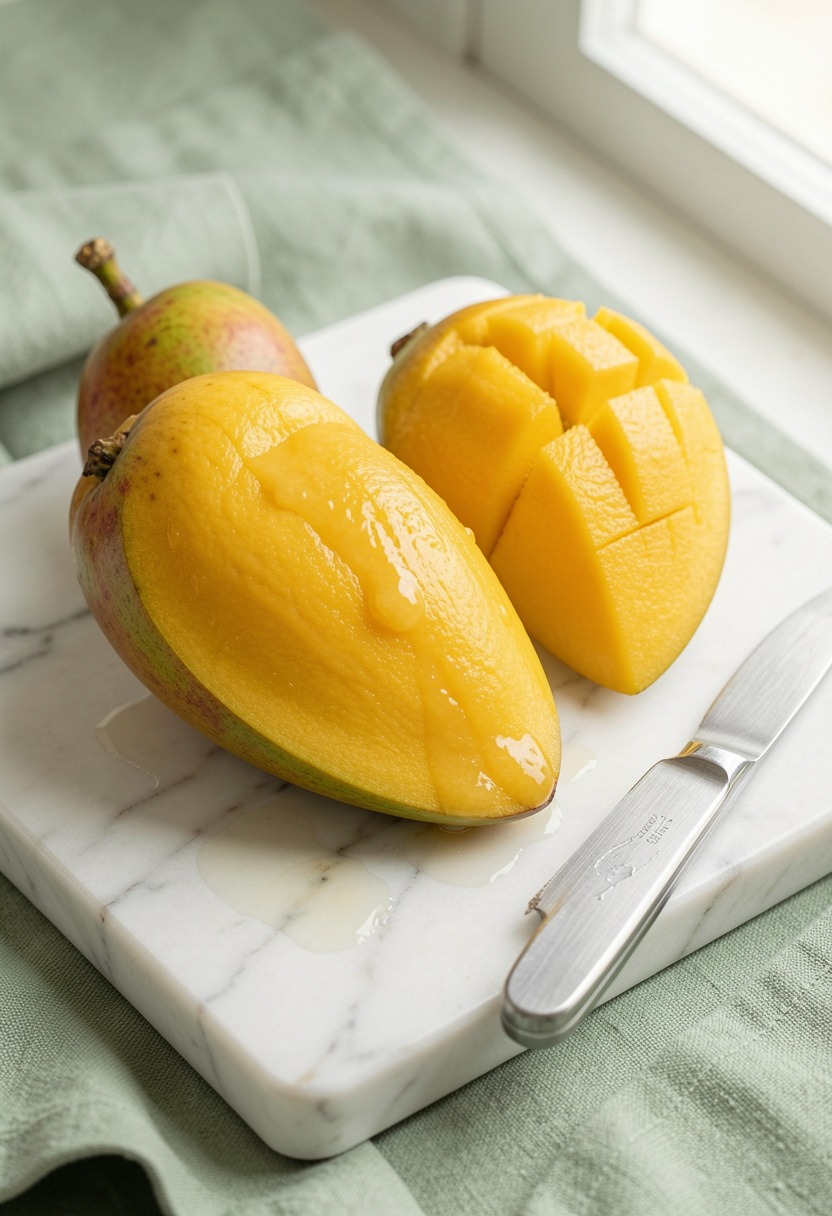

Ripe mango is the backbone here. The trick is buying mangoes that smell sweet at the stem and give slightly under pressure.
If you can, grab Ataulfo or Kent mangoes; they are sweet and fibrous-free. I grab Ataulfos at H Mart on Sunday runs when they’re priced well.
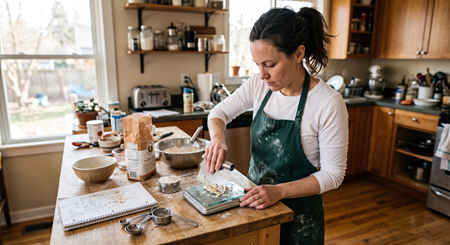
Peel and cube about 2 cups of mango flesh per pint of ice cream. A kitchen scale helps for consistency: 400 g of mango flesh makes about 1 pint.
The cooking principle is flavor concentration: ripe fruit carries more volatile aromatics and sugars, so you need less added fat to taste mango. Avoid underripe fruit — it tastes green and starchy.
Common mistake: buying rock-hard mangoes. Do this instead: look for a soft give and a fragrant stem. If only firm fruit is available, ripen at room temp for 2 to 4 days.
2. Puree, Strain, And Sweeten For Silky Texture
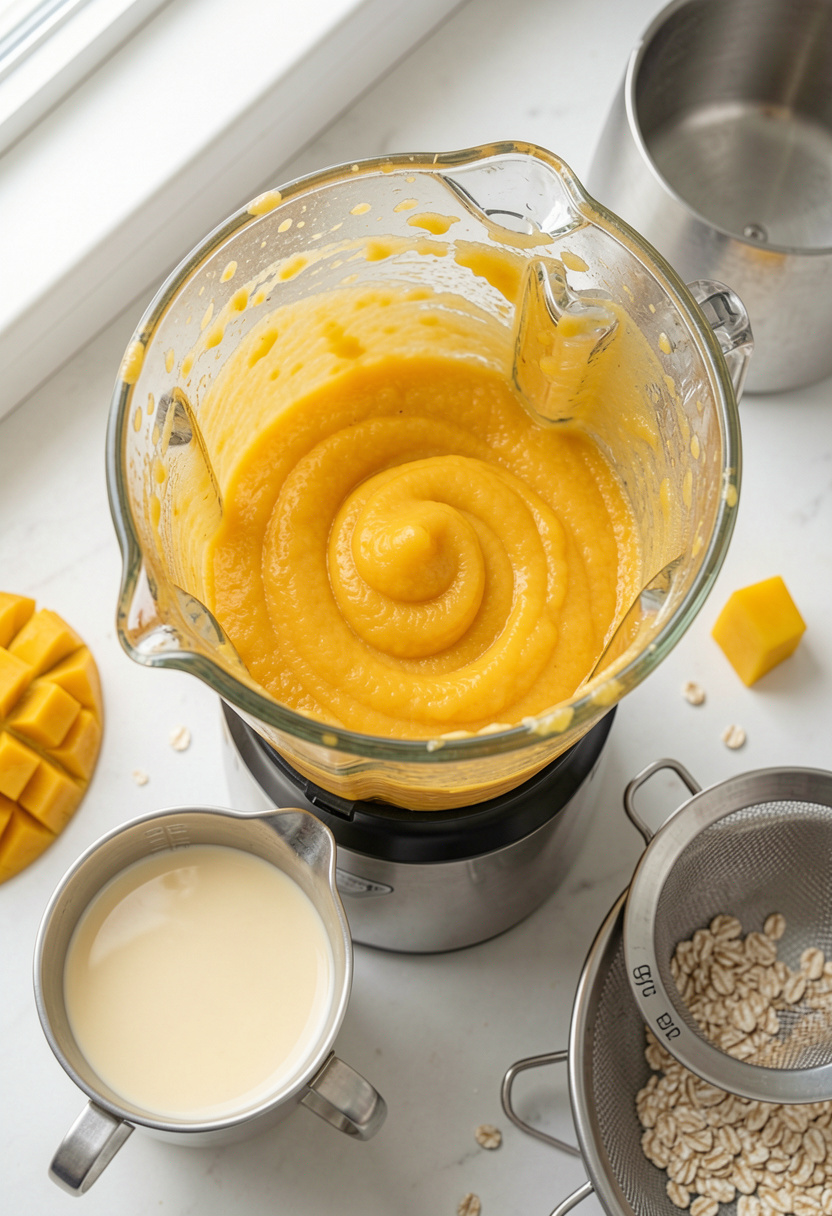

Pureeing the mango until silky is the single biggest texture hack. Use a high-speed blender for the smoothest result.
I pulse the mango with 2 to 3 tablespoons of lime juice and 2 tablespoons of sweetened condensed milk per 2 cups of fruit. The sugar in the condensed milk pulls water away from ice crystals, keeping the ice cream creamy during freezing.
After blending, push the puree through a fine mesh sieve to remove fibers. This step is an emulsification-adjacent move: a smooth matrix suspends fat and sugar evenly.
Exact cues: puree should ribbon off the blender blade and feel glossy. If it looks stringy, sieve again.
Mistake people make: skipping the sieve to save time. The result is gritty texture. Do the 30-second strain; it pays off.
(Find a high-speed option like a high-speed blender and a fine mesh sieve for this step.)
3. Whip The Cream And Fold For Lightness Without Churn
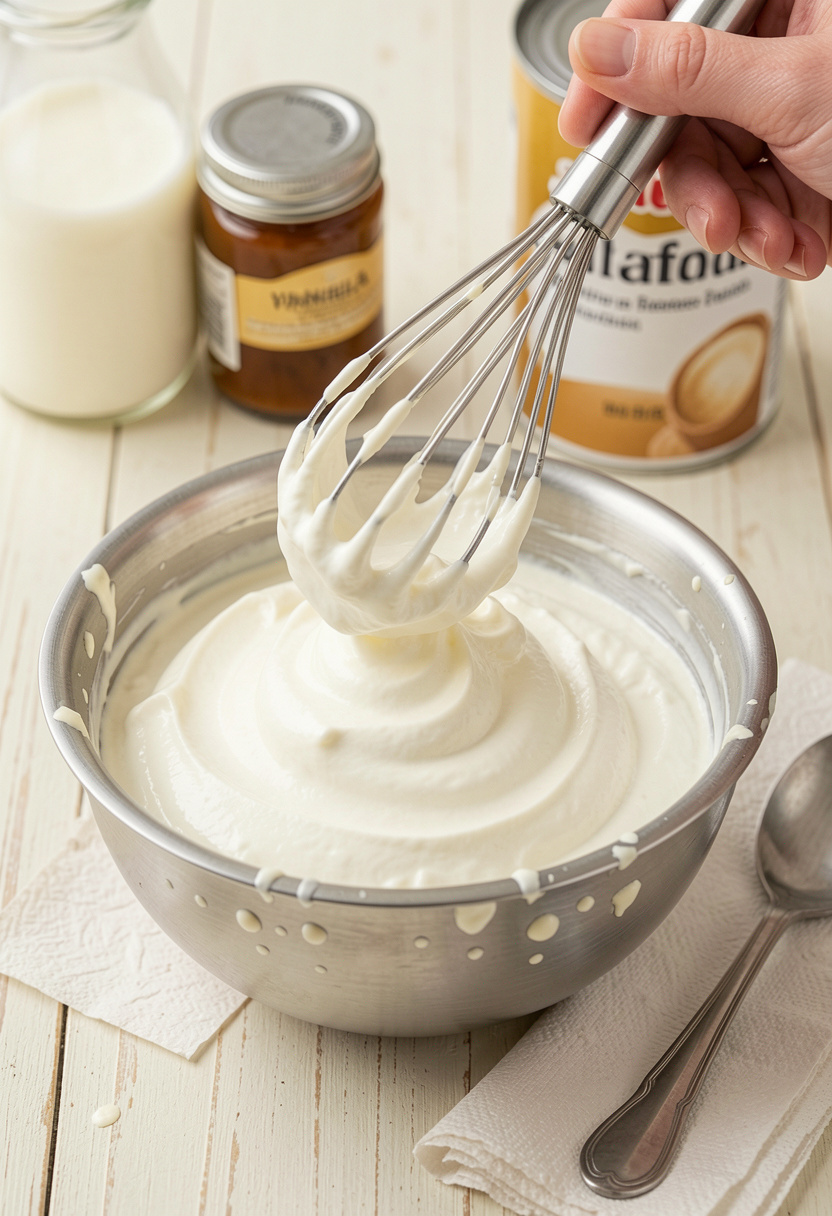

Whipping the cream creates air pockets that give scoopable texture without a machine. Use heavy whipping cream (1 pint) and whip to soft peaks — about 2 to 3 minutes with a hand mixer or 4 to 6 minutes by whisk.
Fold one part mango puree into one part whipped cream gently. This is basic foam stabilization: the cream traps air and the sugars lower freezing point just enough to keep the ice cream soft.
Add a tiny splash of vanilla (1/2 tsp) for depth. Fold until streaks disappear. Over-folding knocks air out and yields a dense finish.
Exact ratio: 1 cup mango puree to 1 cup whipped cream typically makes a creamy, scoopable texture. If you prefer richer, add another 1/4 cup of condensed milk.
A common flop: overbeating the cream to stiff peaks. It becomes grainy when refrozen. Stop at soft peaks and fold carefully.
(Trusted items: heavy whipping cream 1 pint and pure vanilla extract 2 oz.)
4. Freeze, Rest, And Scoop For Clean Flavor
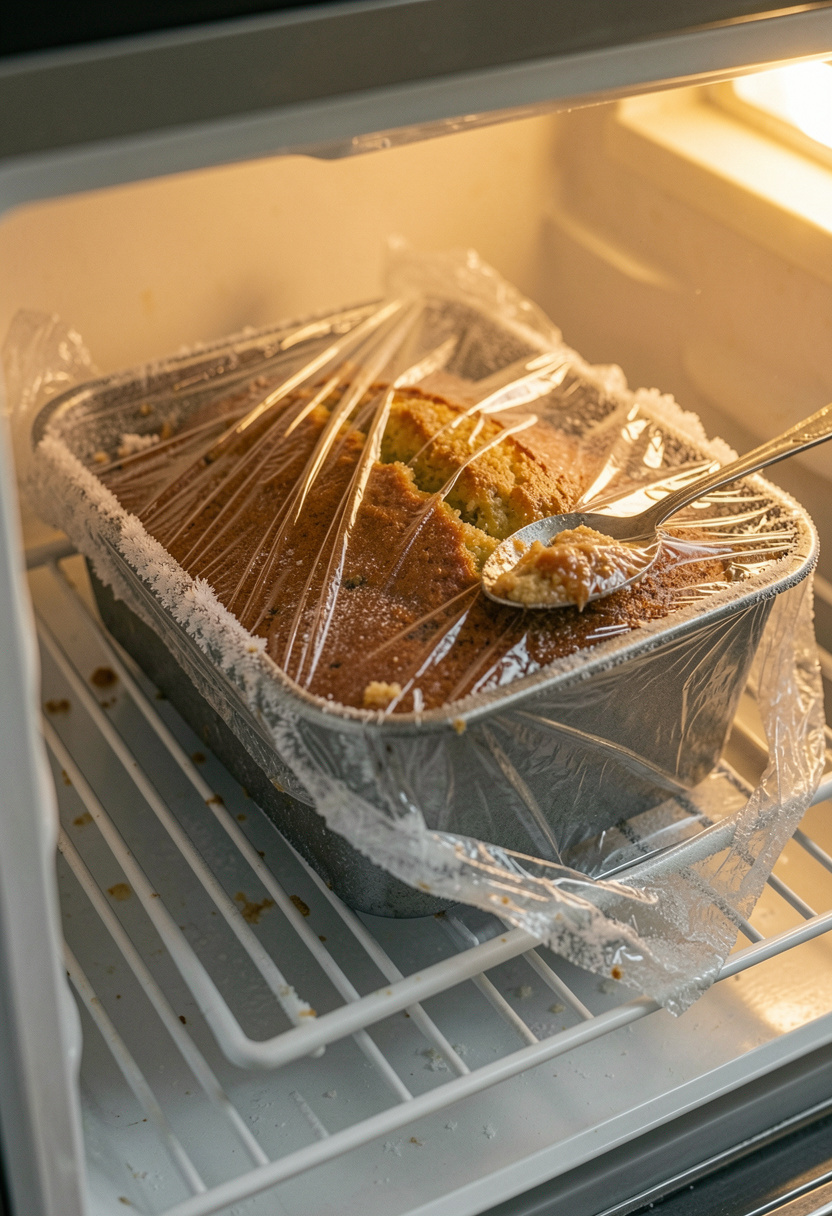

Transfer the folded mixture to a freezer-safe loaf pan or airtight container and freeze 4 hr to overnight.
The freezing principle: slow freeze encourages larger ice crystals; rapid freeze keeps crystals small. I usually blast-freeze in a shallow pan for 4 hr, then cover airtight to avoid freezer burn.
Before serving, pull the container out for 8 to 10 min at room temp for a clean scoop. For restaurant-quality scoops, dip your ice cream scooper in hot water between scoops.
Mistake: packing the mixture into a deep container. That makes the center icy. Use a shallow loaf pan or divide into smaller containers for faster freeze times.
You can also churn in an ice cream maker for a denser texture, but this no-churn method yields bright mango flavor with minimal gear.
Common Cooking Mistakes to Avoid
Mistake: Using frozen mango cubes straight into the cream
Why it doesn't work: Frozen chunks release ice crystals and make the base watery.
Do this instead: Thaw fully and puree, or buy a frozen mango pulp bag and blend after thawing.
Mistake: Overwhipping cream to firm peaks
Why it doesn't work: Collapses when refrozen, yielding grainy texture.
Do this instead: Stop at soft peaks and use a hand mixer for control.
Mistake: Skipping the sieve to save time
Why it doesn't work: Fibers and strings remain, causing a gritty mouthfeel.
Do this instead: Push puree through a fine mesh sieve for 30 seconds.
What You'll Need to Make This
Pantry Staples
Sweetened condensed milk 14 oz can around $1 to $3
Pure vanilla extract 2 oz around $6 to $14
Specialty Ingredients
Ataulfo mangoes (2 to 3) price varies by season, roughly $3 to $6 each
Frozen mango chunks 16 oz bag around $5 to $8
Tools That Earn Their Counter Space
High-speed blender approx $60 to $300
Fine mesh sieve around $8 to $20
Freezer-safe loaf pan around $8 to $20
Cookbooks Worth the Shelf
Salt Fat Acid Heat by Samin Nosrat (price range $18 to $28)
The Food Lab by J. Kenji López-Alt (price range $15 to $30)
Budget Swaps
Store-brand heavy cream 1 pint often half the price of premium brands; check Aldi for savings
Shopping Guide for This Recipe
Seasonal Mango Tip: Buy Ataulfo in spring to early summer for the sweetest, least fibrous fruit; if off-season, use a frozen mango bag around $5 to $8.
Substitution Hack: No fresh mango? Use a 15 oz can of mango pulp for consistent flavor, about $4 to $7.
Where to Splurge: A high-speed blender matters for silkiness; cheaper blenders work but may need extra sieving.
Save Here: Sweetened condensed milk from store brand tastes the same as name brand; a 14 oz can is around $1 to $3.
Conclusion
Start with ripe mangoes and a simple puree-sieve-fold routine. That single phase — perfecting the mango base — gives you bright, clean mango flavor every time.
A small final tip: finish scoops with a tiny pinch of flaky salt to brighten the fruit and deepen sweetness.
Will you try the no-churn route first or churn for extra creaminess?