




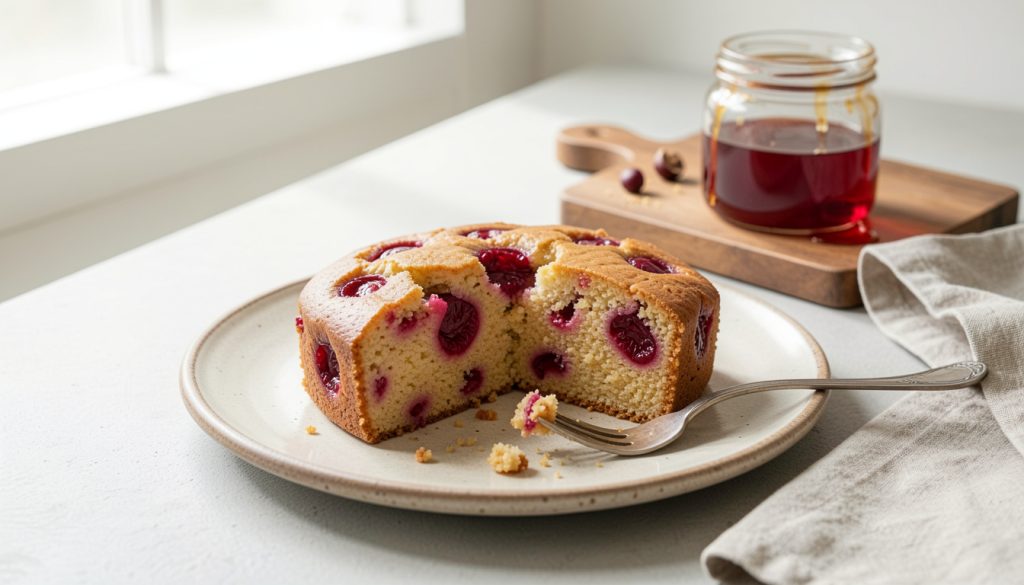

My first cherry cake ended up like a brick. I learned the hard way that "more cherries = more moisture" doesn't guarantee softness. The trick is balance: batter that holds moisture, cherries prepped to avoid sinking, and a post-bake syrup that keeps crumb supple.
In this short how-to you'll learn how to make cherry cake that stays soft for days, not dry: what to change in the batter, how to prep cherries, exact bake temps and times, and the simple syrup finish that actually works.
Cherries are bright and floral, its dessert vibe leans European. This recipe is beginner-friendly with one fiddly bit—pitting and weighing fruit. Expect about 20 min active prep, 40 min bake, plus cool and finish time.
I cook this when cherries are in season. According to the USDA, sweet cherry harvest in the U.S. peaks in June and July, which is when the flavor is best. Lately I’ve noticed fruit-forward desserts are the thing for 2025; this cake rides that trend without being fussy.
1. The Moist Batter: Oil, Yogurt, and the Right Sugar
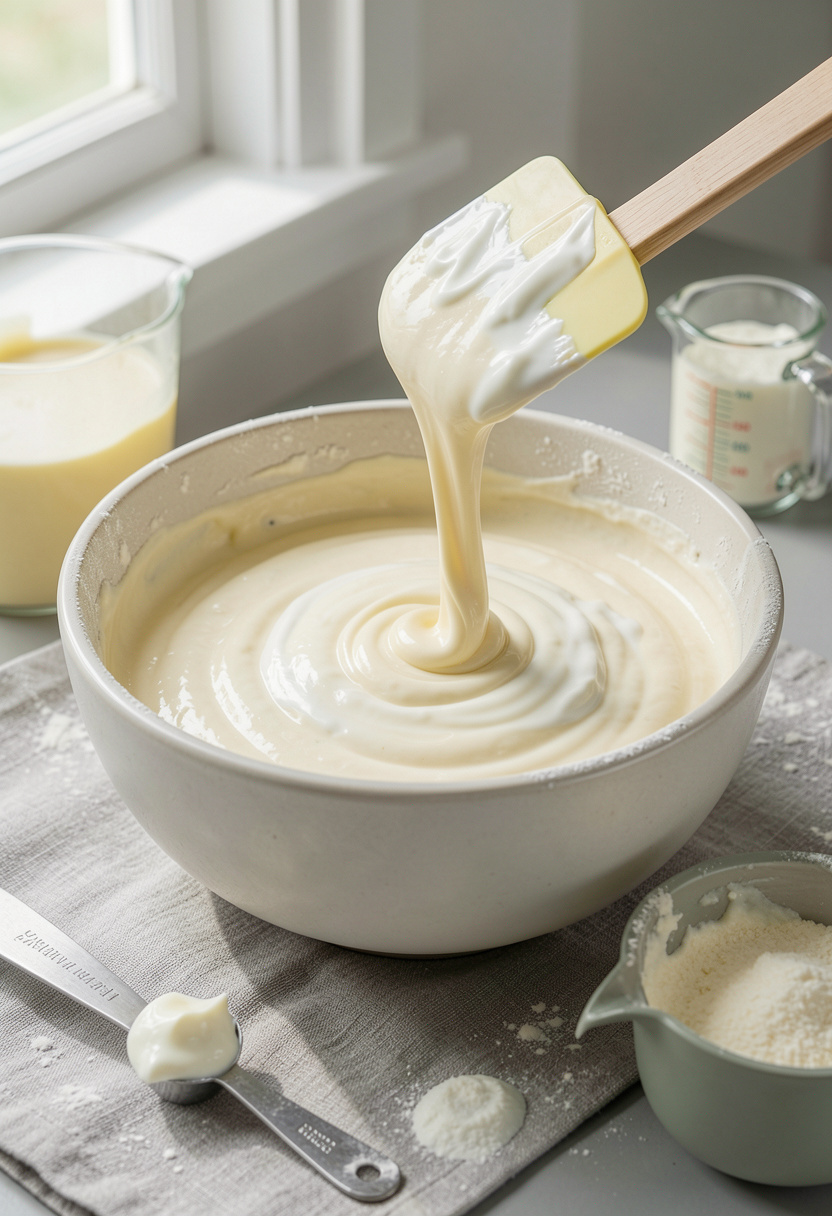

The batter is the foundation. Swap half the butter for neutral oil and add full-fat yogurt. Oil keeps crumbs tender because it stays liquid at room temp. Yogurt adds tang and protein that tenderizes without drying.
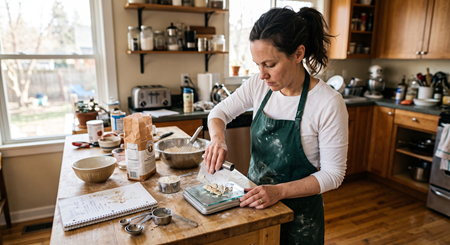
I use 1 cup oil to 8 oz melted butter in a 9-inch cake. For sugar, 1 cup granulated plus 2 tbsp light brown sugar keeps the crumb moist and gives slight caramel notes. I weigh ingredients when I can on a digital kitchen scale for repeatable results.
Tools matter: a silicone spatula set and a good 9 inch round cake pan (lightly greased and parchment-lined) make assembly painless.
Principle: fat coats flour proteins limiting gluten formation so crumb is soft. Mistake people make is overbeating—beat until just combined, about 10 to 15 strokes after the dry goes in. Overmix and the cake tightens.
2. Cherry Prep That Prevents Soggy Sinks
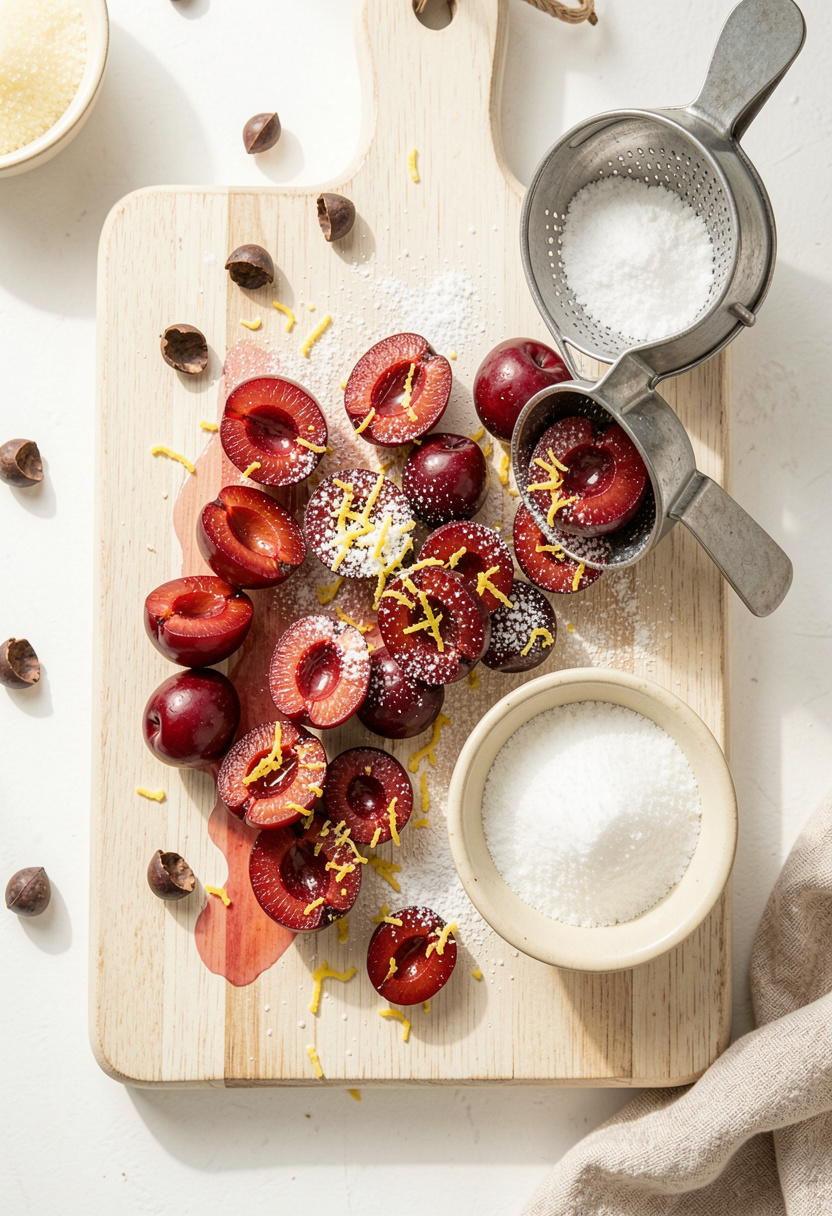

The ugly truth: raw cherries dump juice into batter and sink. The fix is simple. Pit and halve cherries, toss them in 1 to 1.5 teaspoons of cornstarch per cup of cherries, and 1 teaspoon lemon zest. Cornstarch absorbs surface juice during the bake so pockets stay plump, not soupy.
If fresh cherries aren’t available, frozen pitted cherries work fine—thaw and drain in a fine-mesh sieve over 10 min. For pitting, I use an OXO cherry pitter; it saved my Sunday afternoon more than once.
Principle: controlling free water prevents the batter from becoming too wet and collapsing the crumb. Mistake: adding cherries straight from a bowl of sugar and liquid; instead, toss then fold gently into batter at the end.
3. Bake Low, Even, and Know Your Doneness
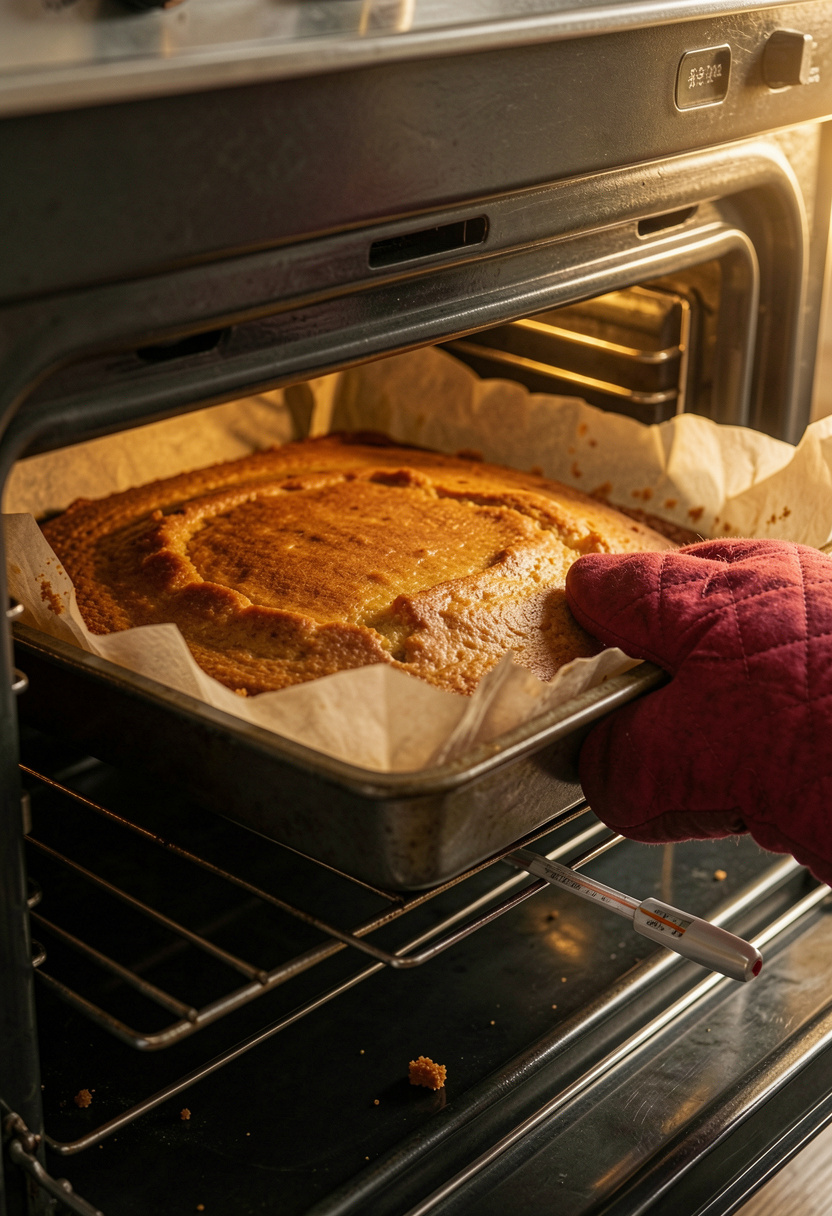

Bake at 325°F for a gentler rise and even crumb. 350°F pushes faster browning and drier edges. For a 9-inch pan, expect 38 to 45 min; start checking at 35 min. Use an instant-read thermometer if unsure—cake is done at 205°F interior for a tender crumb.
Rotation mid-bake helps if your oven has hot spots. Let the cake sit 10 min in pan before turning out onto a cooling rack so steam can escape without sogginess.
Principle: lower temp reduces moisture loss and gives starches time to set. Common mistake is overbrowning; tent with foil for last 10 min if crust gets too dark.
4. The Soak That Actually Keeps It Soft
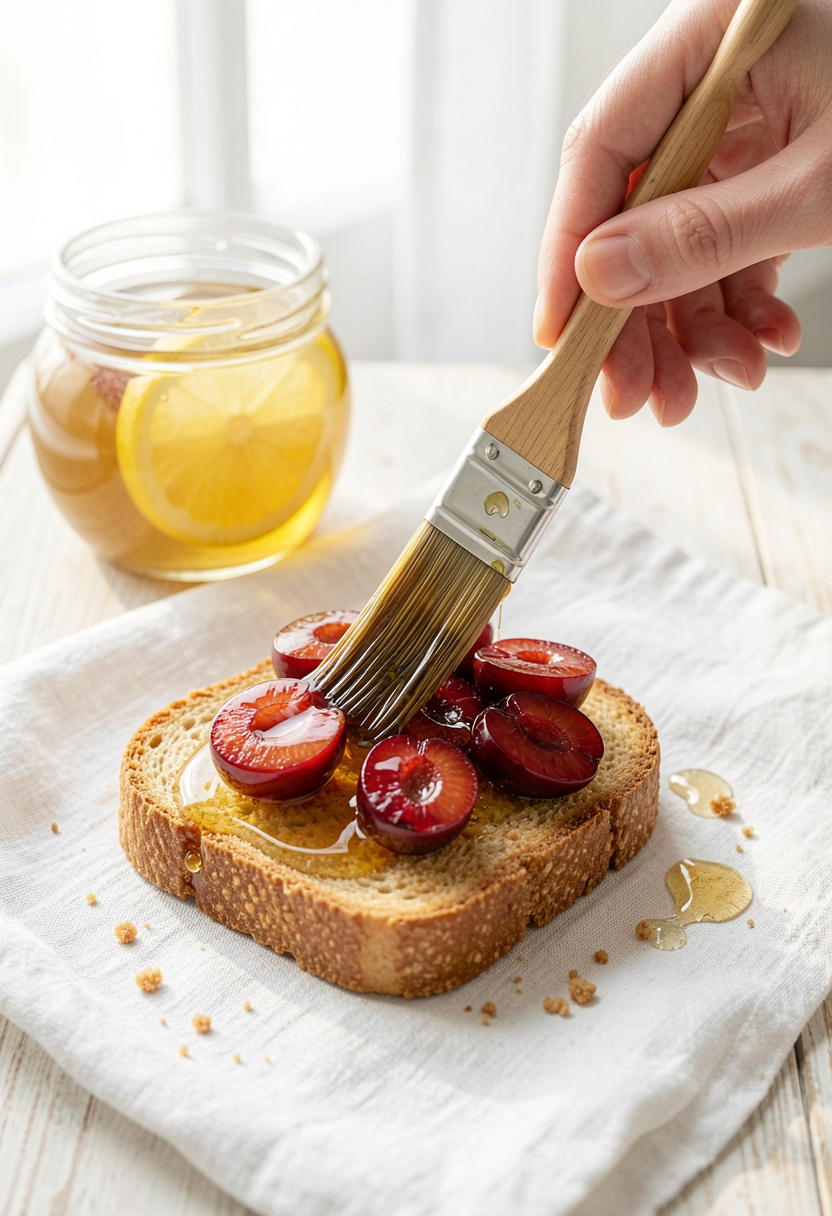

Here’s the game changer. While cake is still warm, brush with 3 tbsp simple syrup per 9-inch cake (1/4 cup sugar to 1/4 cup water, simmered 2 min). Add 1 tbsp kirsch or 1 tsp vanilla if you like. The syrup is hygroscopic; it holds moisture inside the crumb so the cake stays soft for days.
I store slices in a cake container with a folded paper towel to absorb excess steam. An airtight cake container or mason jars set for single portions keeps flavor fresh.
Principle: sugar draws and holds water in the crumb, slowing staling. Mistake: skipping the syrup because the cake looks moist hot; it dries out by day two. Brush and box it.
Common Cooking Mistakes to Avoid
Mistake: Using all butter and no oil
Why it doesn't work: Butter firms up at room temp and cakes can feel dry after 2 days.
Do this instead: Replace half the butter with neutral oil and use Nielsen-Massey vanilla extract 8 oz for flavor balance.
Mistake: Tossing frozen cherries straight into batter
Why it doesn't work: Extra liquid and cooled batter can lead to uneven bake.
Do this instead: Thaw and drain frozen cherries, then dust with Arrowhead Mills cornstarch 16 oz.
Mistake: Overbaking because a toothpick shows crumbs
Why it doesn't work: Slightly underbaked centers are softer and stay moist after syrup.
Do this instead: Aim for 200°F to 205°F interior with a Thermapen instant-read thermometer.
What You'll Need to Make This
Pantry Staples
King Arthur all-purpose flour 5 lb around $7 to $12
C&H granulated sugar 4 lb around $4 to $7
C&H light brown sugar 2 lb around $3 to $6
Specialty Ingredients
Kirschwasser cherry brandy 375 ml approx $15 to $30
Bob's Red Mill almond flour 16 oz around $7 to $12
Tools That Earn Their Counter Space
OXO cherry pitter approx $7 to $15
9 inch round cake pan approx $12 to $25
Thermapen instant-read thermometer approx $75 to $120
Cookbooks Worth the Shelf
Salt Fat Acid Heat by Samin Nosrat (price range $18 to $28)
Bake From Scratch magazine subscription (price range $25 to $40)
Budget Swaps
Digital kitchen scale (save with generic for $10 to $20)
Wilton 9 inch springform pan (save vs pro pans for $12 to $22)
Shopping Guide for This Recipe
Seasonality tip: Buy fresh cherries June to July for best flavor; frozen pitted cherries like frozen pitted cherries work any time.
Substitution hack: Out of yogurt? Use 1/2 cup sour cream plus 2 tbsp milk—both keep crumb tender. See Mason jars set for single-portion storage.
Trend-aware tip: Fruit-forward desserts are trending in 2025; boost aroma with a splash of Nielsen-Massey vanilla extract 8 oz.
Splurge vs save: Splurge on a reliable instant-read thermometer for consistent results; save on generic parchment paper rolls for lining pans (parchment paper nonstick roll).
Conclusion
Start with the moist batter phase—swap half the fat for oil and add yogurt—and the rest becomes easier. The finishing syrup is the highest-impact move for keeping slices soft through day three.
If you try one thing first, brush the warm cake with simple syrup and store airtight.
Will you try the dry-brush-free syrup first or test the oil+yogurt batter?