



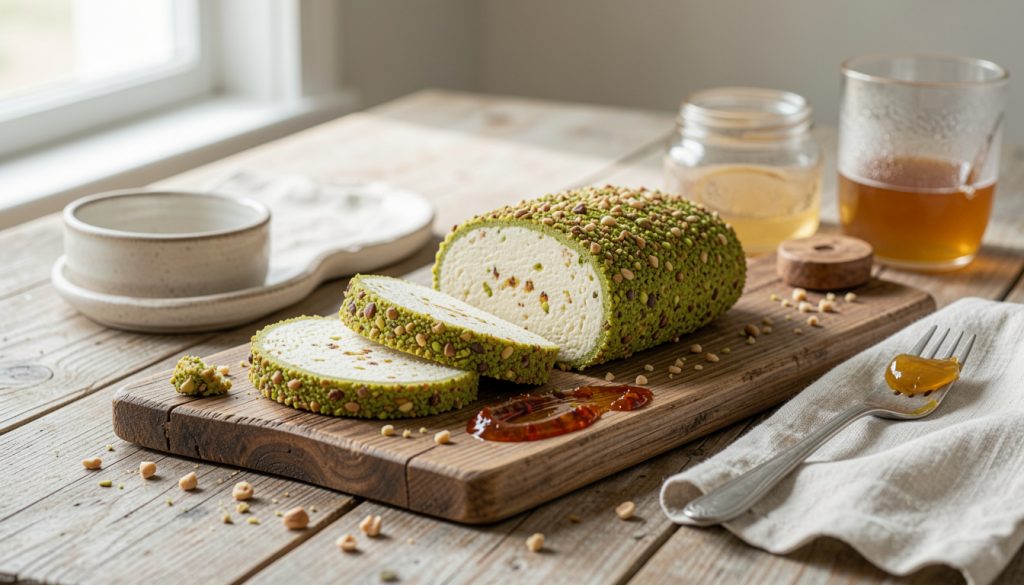

My sister announced she wanted a “cheese ball that slices clean” the week before Thanksgiving. I made one that collapsed into a spread on the board. The second time I used a simple set-and-press method and it sliced like a savory cheesecake.
You’ll learn how to choose cheeses, add the right binder so it firms without tasting like gelatin, and finish with coatings that sing. Expect about 45 min hands-on and at least 4 hr chill time; beginner-friendly with one precise heat step.
The flavor leans savory-herby with bright lemon, a hint of roasted garlic, and a salty crunch on the outside. This is party food in a grazing-board era; people want shareable, sliceable bites. Americans eat about 40 lb of cheese per person each year (USDA), so make yours count.
1. Choose Cheeses for Texture and Flavor
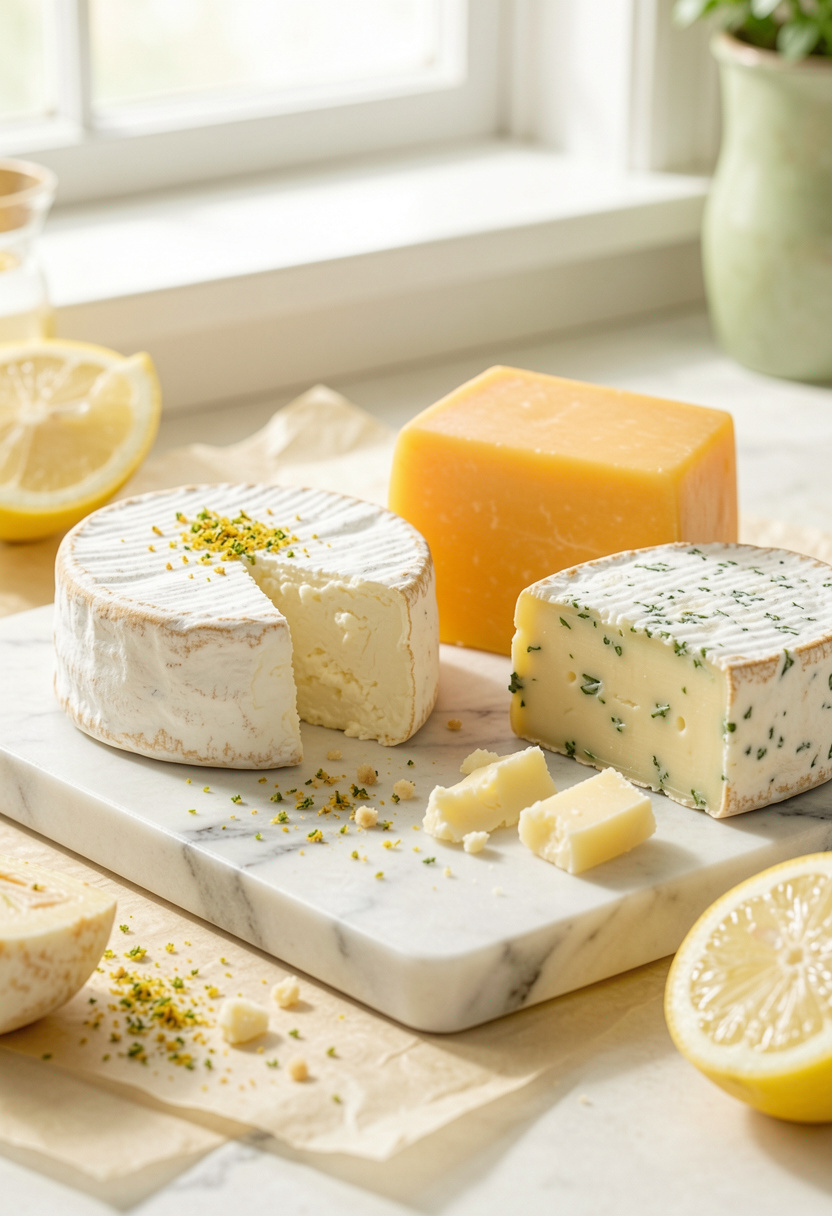

Pick a high-fat soft base and an aged grated cheese for structure and bite. I use 8 oz cream cheese like Philadelphia cream cheese 8 oz plus 6 oz extra-sharp cheddar such as Cabot extra sharp cheddar 8 oz.
Why this order. The cream cheese gives silkiness. The sharp cheddar adds dry, crystalline texture so the slice holds. Grate the cheddar fine for even distribution. Add 2 tbsp full-fat sour cream if you want silkier mouthfeel.
A common error is using only soft spreads. That yields a blob. Use at least 25 to 30 percent aged cheddar by weight. Grating cold cheese is easier; chill the block 15 min before grating.
2. The Binder That Lets You Slice (Gelatin Method)
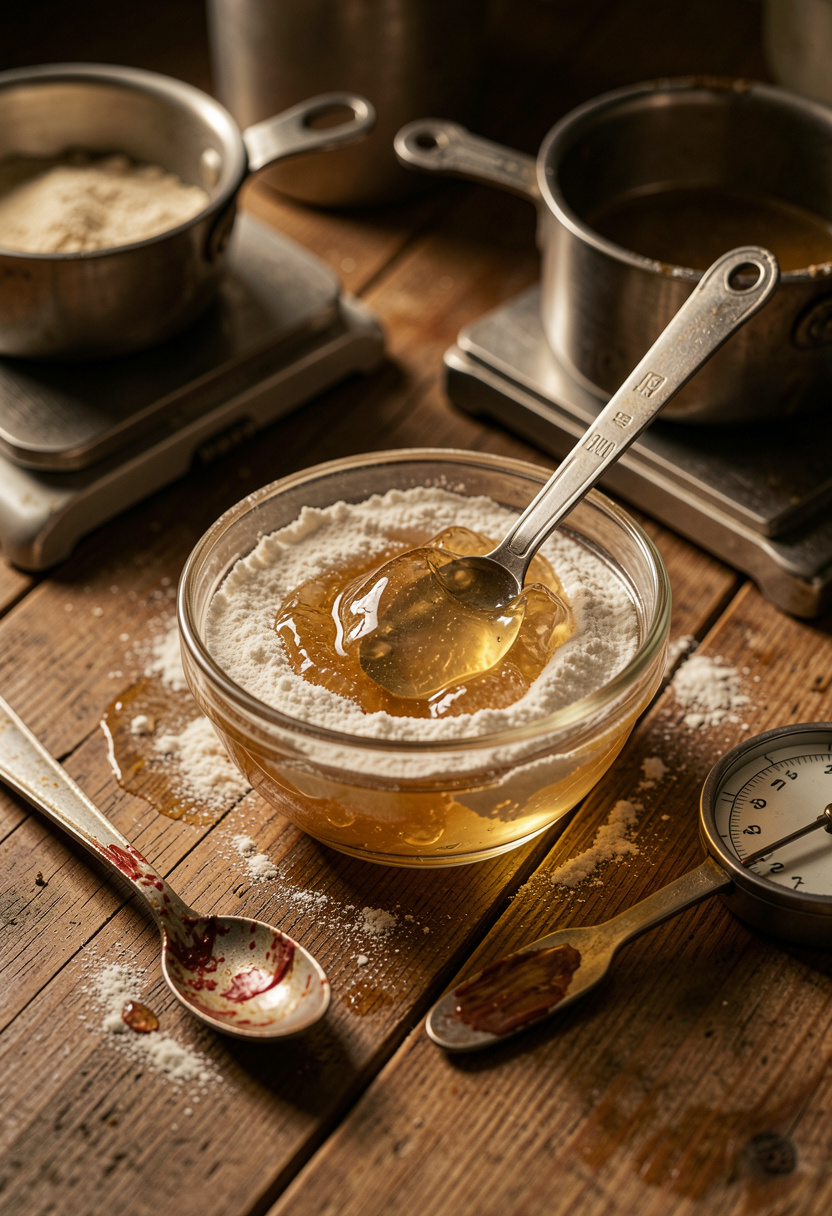

The trick is a tiny bit of gelatin for a clean slice without a rubbery feel. Bloom 1 tablespoon powdered gelatin in 1/4 cup cold water for 5 min. Warm gently to 110°F until melted (do not boil) and whisk into 1 cup warmed heavy cream.
Then fold that warm cream into your cheese mix (about 1 lb total cheese). The principle at work is protein network tightening as gelatin sets, giving a slicing matrix. Chill in a lined springform pan 6 inch for at least 4 hr, ideally overnight.
Mistake to avoid: too much gelatin. That gives a spongy texture. Measure precisely and chill fully for clean slices.
3. Build Flavors: Aromatics, Acid, and Heat
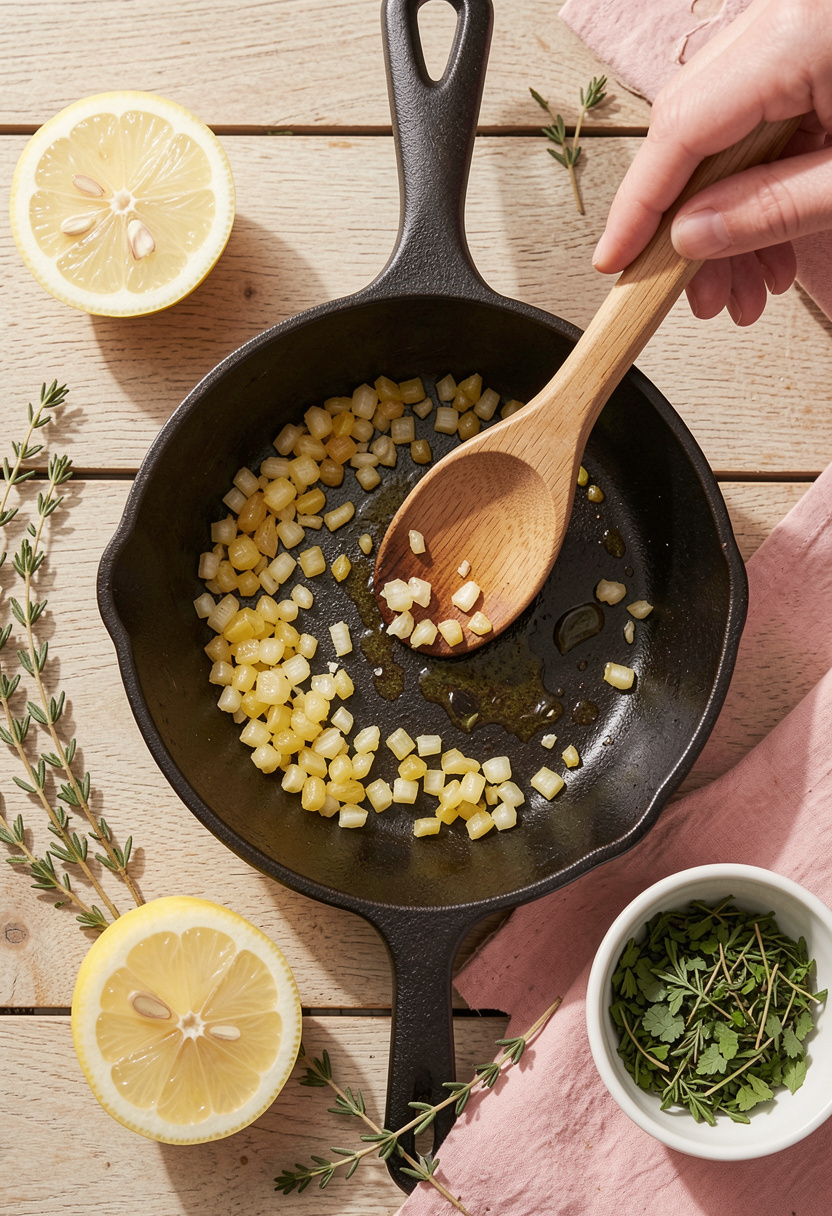

Sauté 1 minced shallot and 1 crushed garlic clove in 1 tbsp olive oil for 2 to 3 min until translucent and fragrant. Cool before adding to keep the set from sweating.
Brighten with 1 tsp lemon zest and 2 tsp white wine vinegar or sherry. For a party-friendly kick, swirl in 1 tsp chili crisp like Laoganma chili crisp 7.4 oz to one batch and plain to another.
The cooking principle: quick browning unlocks savory sulfur compounds and sweetness. Too much acid will thin the mix, so add acid in small increments and taste.
4. Shape, Press, and Coat for Presentation
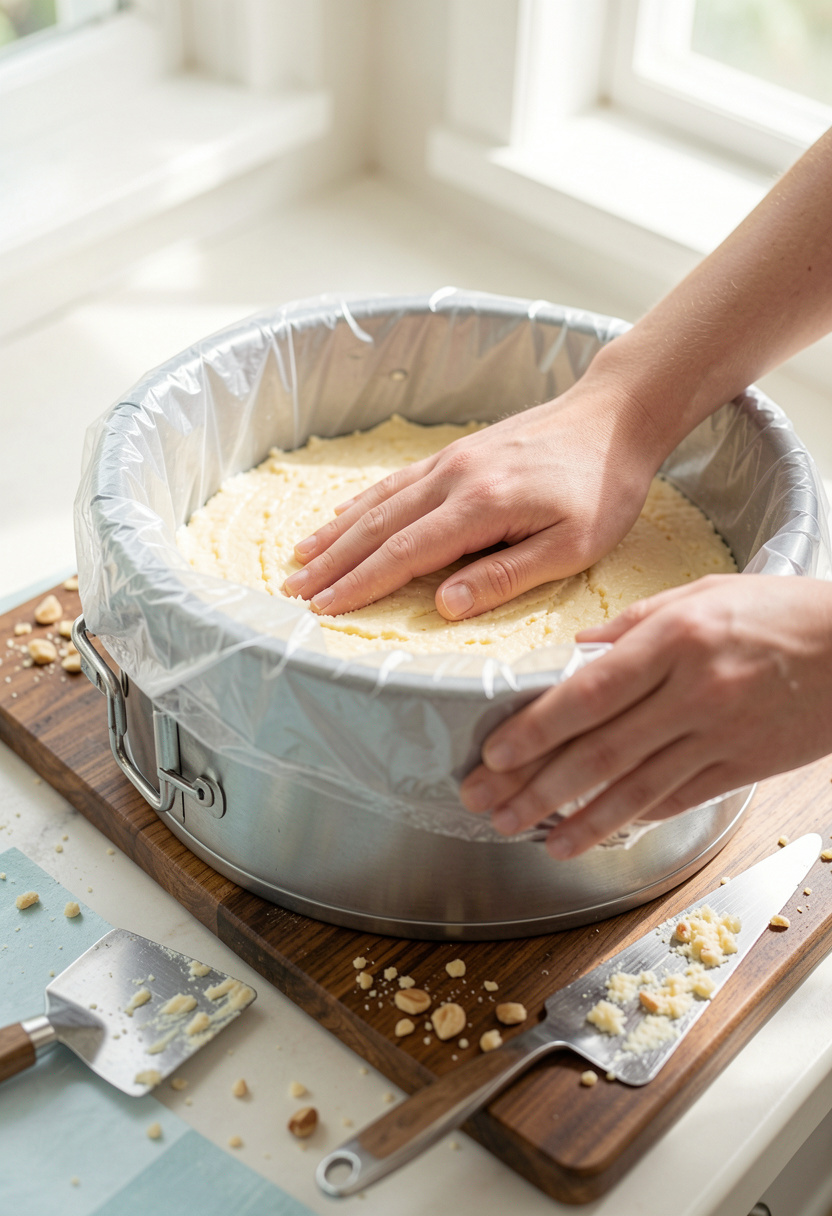

Line your pan with plastic wrap, spoon in the mixture, and press firmly to remove air pockets. Cover and weigh with a small can or jar for 30 min, then chill 4 hr.
When firm, invert onto a board and roll the outside in coatings. Try chopped pistachios mixed with lemon zest, crushed pecans, or everything bagel seasoning. Press the coating gently so it adheres.
Common mistake: coating a wet surface. Pat the cheese dry with a paper towel if condensation appears. A neat coat keeps presentation and texture consistent.
5. Serve, Slice, and Store Like a Pro
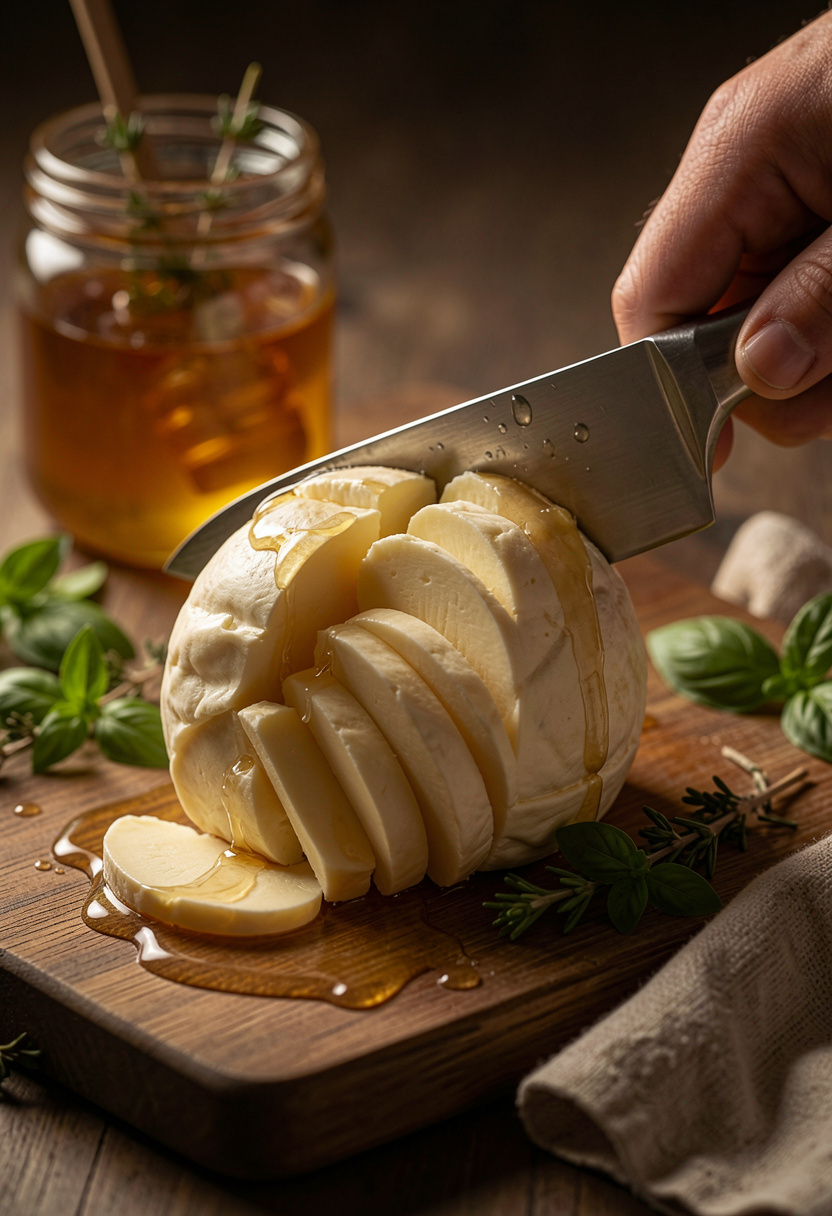

Take the cheese ball from fridge 10 to 15 min before serving so flavors open but the structure stays firm. Heat your chef's knife under hot tap water, dry it, then slice to get clean edges. Wipe between cuts.
Serve with thin crackers, grainy baguette, or a board of pickles. For make-ahead, store wrapped in an airtight container for up to 4 days. If you need vegetarian set, substitute 1 tsp agar-agar boiled and cooled in place of gelatin; see agar agar powder for options.
Common Cooking Mistakes to Avoid
Mistake: Freezing the cheese ball to firm it
Why it doesn't work: Freezing separates fats and makes texture grainy.
Do this instead: Chill overnight in a springform pan 6 inch with weight for a firm, glossy set.
Mistake: Using only soft spread cheeses
Why it doesn't work: The mix will never hold a slice because it lacks dry structure.
Do this instead: Add grated aged cheddar like Cabot extra sharp cheddar 8 oz for body.
Mistake: Coating while damp
Why it doesn't work: Nuts and herbs won’t adhere and fall off.
Do this instead: Pat the surface dry and press coatings onto the cheese using an offset spatula 6 inch.
What You'll Need to Make This
Pantry Staples
Philadelphia cream cheese 8 oz around $2 to $5
Cabot extra sharp cheddar 8 oz around $4 to $8
Maldon sea salt flakes around $6 to $12
Specialty Ingredients
Laoganma chili crisp 7.4 oz around $6 to $12
Shelled pistachios 8 oz around $6 to $14
Tools That Earn Their Counter Space
springform pan 6 inch approx $12 to $25
offset spatula 6 inch approx $8 to $18
chef knife 8 inch approx $30 to $120
Cookbooks Worth the Shelf
Salt Fat Acid Heat by Samin Nosrat (price range $18 to $28)
The Food Lab by J. Kenji López-Alt (price range $20 to $35)
Budget Swaps
Agar agar powder as vegetarian set option, often cheaper at Asian markets.
Plastic wrap 12 inch roll is fine vs. silicone molds for tight wraps.
Shopping Guide for This Recipe
Pick aged cheese by eye: Look for cheddar with crystallization for texture; Cabot extra sharp cheddar 8 oz around $4 to $8.
Buy pistachios shelled: They toast and chop more evenly; Shelled pistachios 8 oz around $6 to $14.
Vegetarian set: If you want no-animal gelatin, get agar agar powder and follow packet ratios.
Trend tip for 2025: Grazing boards and snackification favor neat slices; pick molds and portion sizes that travel well — find compact springform pans.
Splurge vs save: Spend on a good chef’s knife; save on plastic wrap and basic spatulas — a solid chef knife 8 inch pays off.
Conclusion
Start with the cheese balance phase. Get the ratio of creaminess to aged cheese right and the rest follows. A tiny amount of gelatin or a firm press is the difference between a smear and a neat slice.
Finish with flaky salt like Maldon sea salt flakes and a drizzle of honey to contrast the savory crust.
Will you try the gelatin-set version first or the pressed, all-cheese route?