




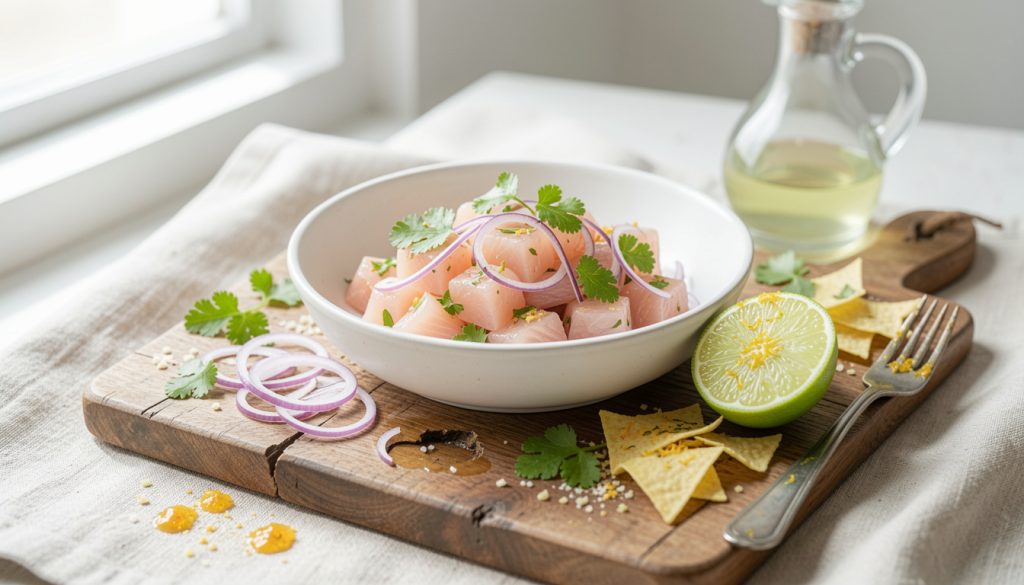

My brother-in-law took one bite and insisted it was from a restaurant. I tell people how to make ceviche because I botched it enough times to learn the hard way.
This guide shows how to make ceviche that tastes bright, fresh, and not fishy. Expect about 45 min active work, beginner-friendly with one safety step.
Ceviche sits in the bright, citrus-forward corner of Latin American cuisine. It is all about acid, timing, and texture. Expect briny, tangy, herby notes with a clean finish.
This is a weeknight-friendly recipe unless you plan to cure fish ahead. Lately I see people adding chili crisp and coconut leche de tigre. Try those after you master the basics.
1. The Prep That Keeps Fish Clean and Firm
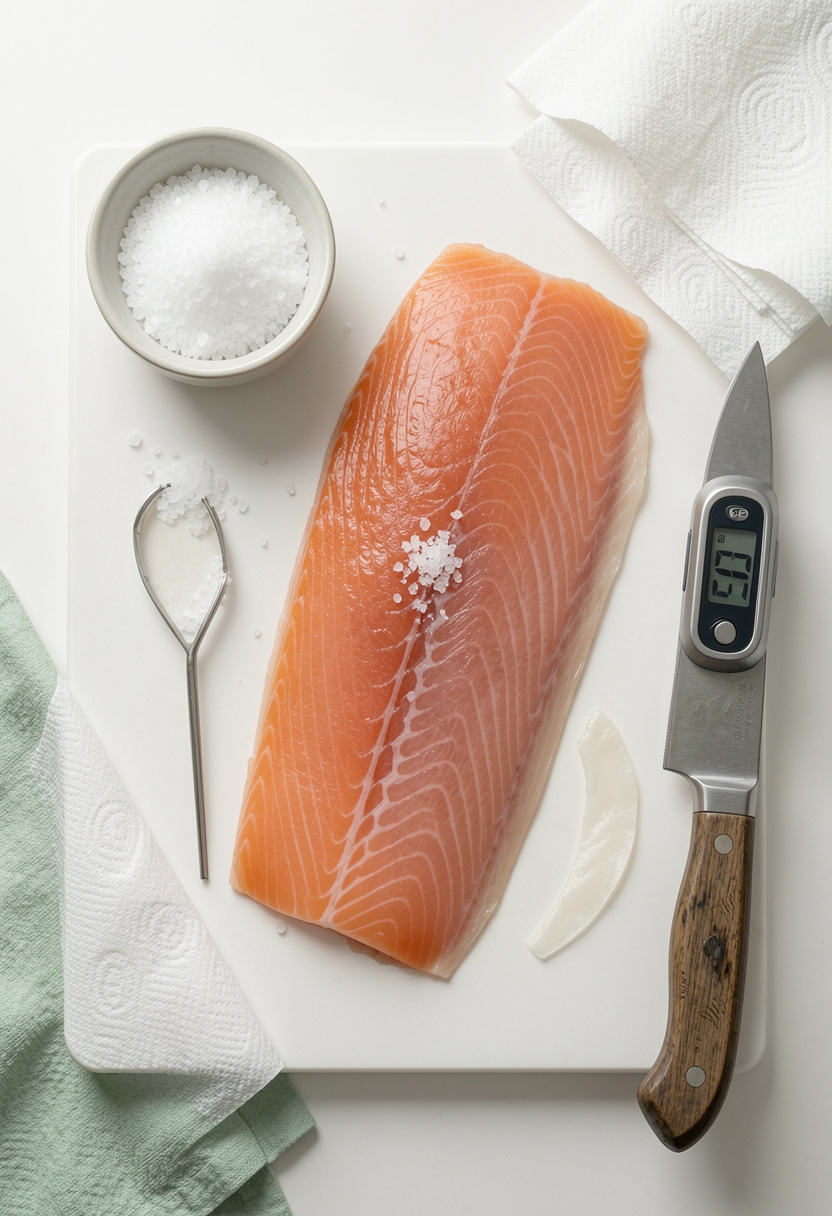

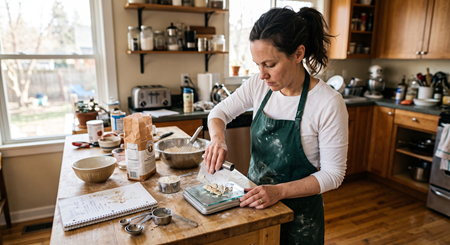
Start by choosing the right fish and firming it. I rinse and pat dry, then give it a five-minute dry cure with Diamond Crystal kosher salt 3 lb box around $5 to $8. That pulls moisture, firms the flesh, and reduces any timid oceany note.
Use sashimi-grade or previously frozen fish. The FDA says freezing kills parasites if done to proper temperatures, so I keep a ThermoPro instant-read thermometer approx $12 to $20 on hand to check temps when needed.
The principle is simple. Salt tightens proteins, which helps acid penetrate evenly. Mistake: skipping the pat dry. Wet fish dilutes the citrus and weakens texture. Result: clean-tasting cubes that look and feel fresh.
2. The Acid Bath: Timing for Texture Not Safety
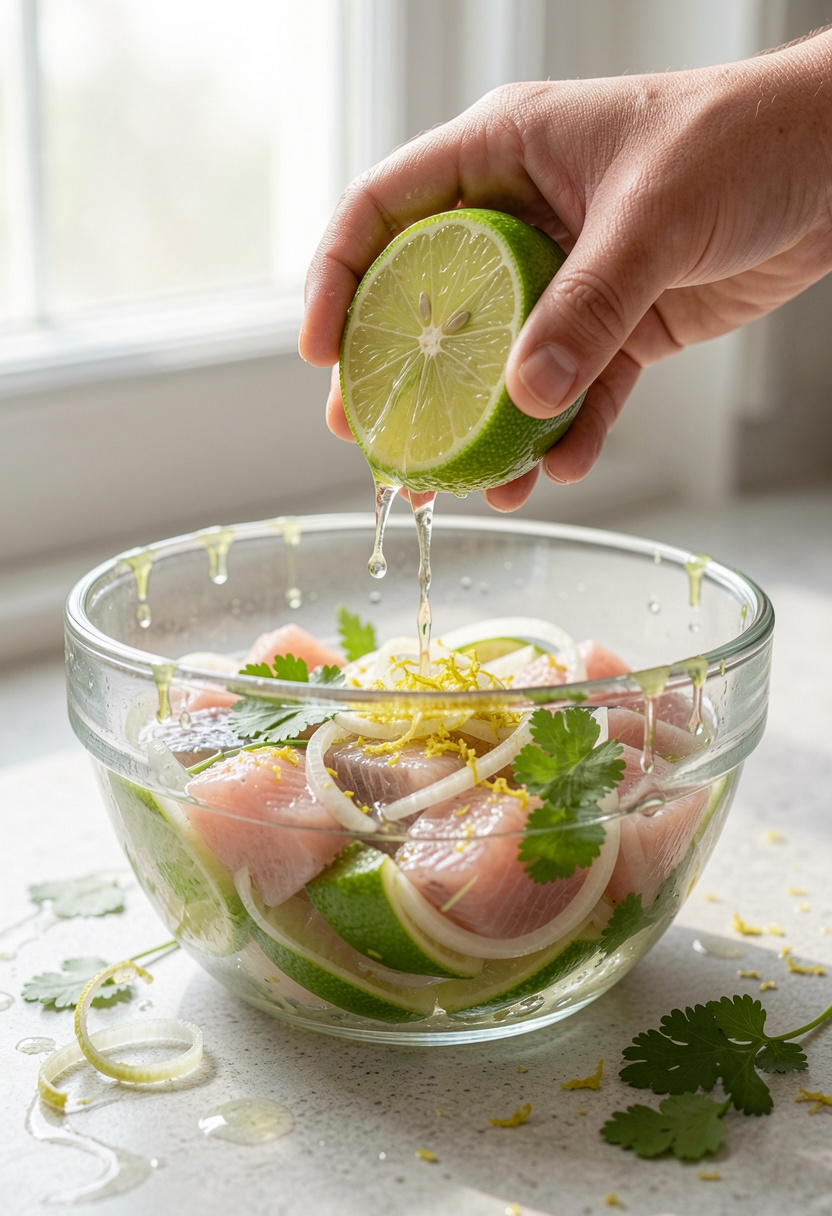

The acid does most of the visual "cooking" but does not sterilize. I add fresh lime and a splash of extra citrus—about 3 tbsp juice per 8 oz fish. For a classic leche de tigre boost add 1 tbsp fish stock or cold clam juice.
Timing is everything. For fish like sea bass or snapper, 12 to 15 min in the fridge gives tender opaque edges while leaving a silky center. Shrimp need pre-cooking. Callouts: use a Microplane zester around $10 to $15 to get fine zest instead of bitter pith.
Principle at play: acid denatures proteins, changing texture without heat. Ugly truth: acid does not reliably kill all bacteria. If you want extra safety, buy fish already frozen to FDA guidance or freeze at home. Mistake: marinating too long. Over-marinating yields chalky, brittle bites instead of supple ones.
3. Layering Flavor: Aromatics, Heat, and Fat
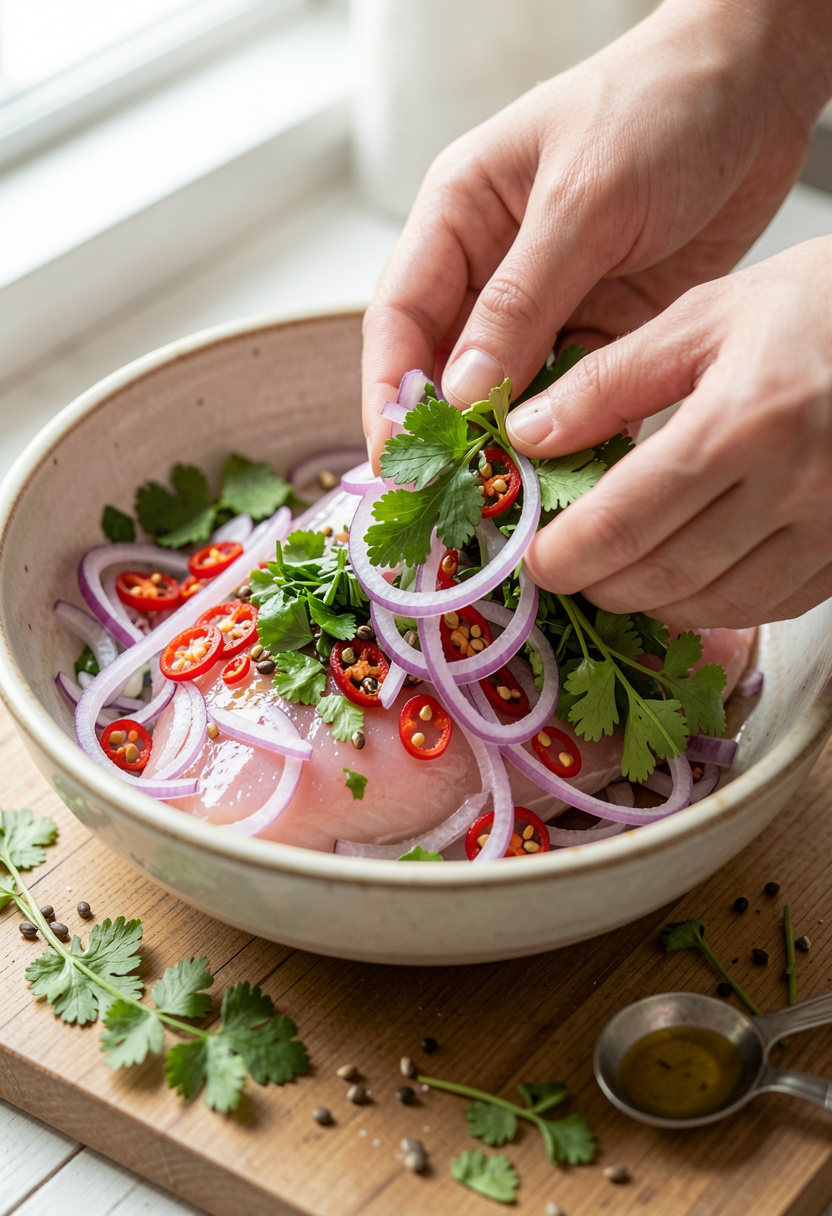

Brightness needs balance. I fold in thin red onion, cilantro, a jalapeño or two, and a whisper of Lao Gan Ma chili crisp 7.4 oz around $6 to $10 for a pop. A drizzle of good olive oil tames the acid and adds silk.
Technique: low heat aromatics in ceviche are raw and crisp. Use an OXO Good Grips citrus juicer around $12 to $20 for efficient juice without bitterness. Principle: fat carries flavor and rounds acidity, so tiny fat additions make the dish sing.
Common mistake: adding too much heat or too many strong aromatics up front. Do a taste test after 3 to 5 min and adjust. The result should be bright, layered, and clean, not muddled.
4. The Finish: Salt, Texture, and Chill
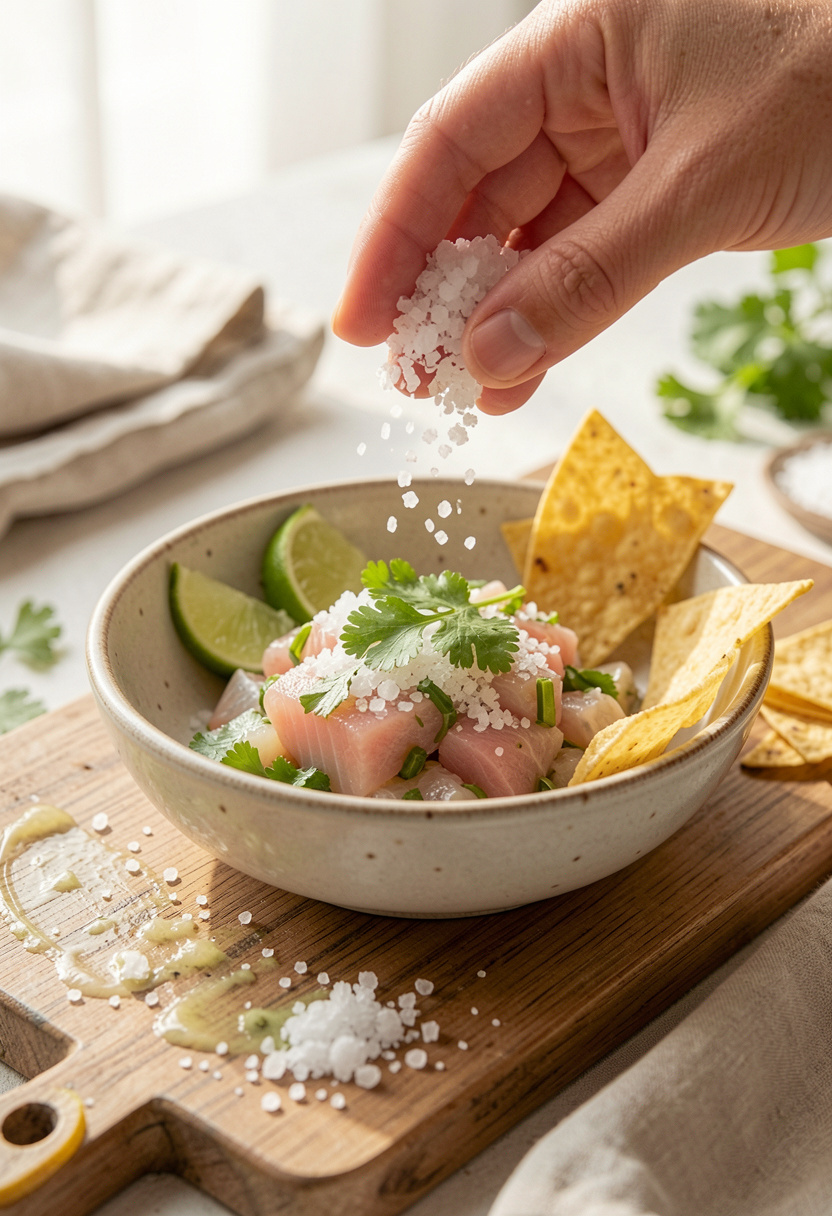

Finish is do-or-die. I taste, then add Maldon-style flaky salt and a final squeeze of lime. The right salt at this point lifts, not over-salts, so I use measured pinches.
Add texture: toasted corn kernels or crushed tortilla chips give contrast. A small spoonful of Tajín Clásico seasoning 5.8 oz around $4 to $8 can be sprinkled for a tangy, toasty note.
Cooling matters. Let ceviche rest chilled for 5 to 10 min before serving so flavors knit. Mistake: serving room temperature right out of the bowl. The result will be sharper acid and less balanced flavors. Final cue: fish should look opaque at the edges with a glossy center.
Common Cooking Mistakes to Avoid
Mistake: Using fish that was never frozen
Why it doesn't work: Raw wild fish can carry parasites that acid will not reliably destroy.
Do this instead: Use sashimi grade fish or freeze to FDA specs before use.
Mistake: Over-marinating for texture longer than 20 min
Why it doesn't work: Acid turns flesh chalky and dry instead of tender.
Do this instead: Time 12 to 15 min for firm white fish and taste; a kitchen timer helps.
Mistake: Relying only on lime without finishing salt or fat
Why it doesn't work: Acid alone tastes flat and one-note.
Do this instead: Finish with flaky salt and a light drizzle of extra virgin olive oil around $8 to $14.
What You'll Need to Make This
Pantry Staples
Diamond Crystal kosher salt 3 lb box around $5 to $8
Colavita extra virgin olive oil 500 ml around $8 to $14
Specialty Ingredients
Lao Gan Ma chili crisp 7.4 oz around $6 to $10
Tajín Clásico seasoning 5.8 oz around $4 to $8
Aroy-D coconut milk 14 oz around $1.50 to $3
Tools That Earn Their Counter Space
Microplane zester around $10 to $15
OXO Good Grips citrus juicer around $12 to $20
ThermoPro instant-read thermometer approx $12 to $20
Cookbooks Worth the Shelf
Salt Fat Acid Heat by Samin Nosrat (price range $18 to $28)
Peru: The Cookbook (price range $20 to $35)
Budget Swaps
Morton kosher salt 3 lb around $3 to $6 (Aldi store-brand kosher is often cheaper)
Shopping Guide for This Recipe
Buy frozen sashimi when unsure: Frozen fish helps safety; look for sashimi grade frozen fillets around $20 to $40.
Substitution hack: No sea bass. Use firm mahi or firm salmon for similar texture and flavor with frozen mahi mahi fillets approx $10 to $20.
2025 trend note: Chili crisp and citrus-forward leche de tigre remain popular; add a spoon of Lao Gan Ma chili crisp.
Splurge vs save: Save on citrus juicers; splurge on a good knife. Victorinox fillet knife 7 inch approx $30 to $50.
Conclusion
Start with the prep phase. Dry-salting and choosing fish set everything else up for success.
One finishing trick I use is a last-minute pinch of flaky salt and a tiny drizzle of chili oil to bind brightness with silk. Small actions make a big flavor difference.
Will you try the classic lime leche de tigre first or add a spoon of chili crisp?