
I once bought twice as many bags of chips as guests showed up to eat them. That was my last “go big” birthday experiment.
If you want to learn how to plan birthday party food without overbuying everything, I’ll walk you through a simple guest math, menu scaffolding, smart shopping, and holding plan that saves money and stress. Expect 30 to 60 minutes of planning and beginner-friendly swaps that still taste celebratory.
My kitchen clock and a grocery receipt taught me a lot. I’ve noticed more hosts in 2025 favor plant-forward spreads and make-ahead bowls to cut waste. That trend matters because the EPA reported Americans generated about 63 million tons of food waste in 2018, and groups like ReFED put the annual economic cost in the hundreds of billions. Small choices make a big dent.
1. The Inventory Math: Count, Appetite, and Real Portions
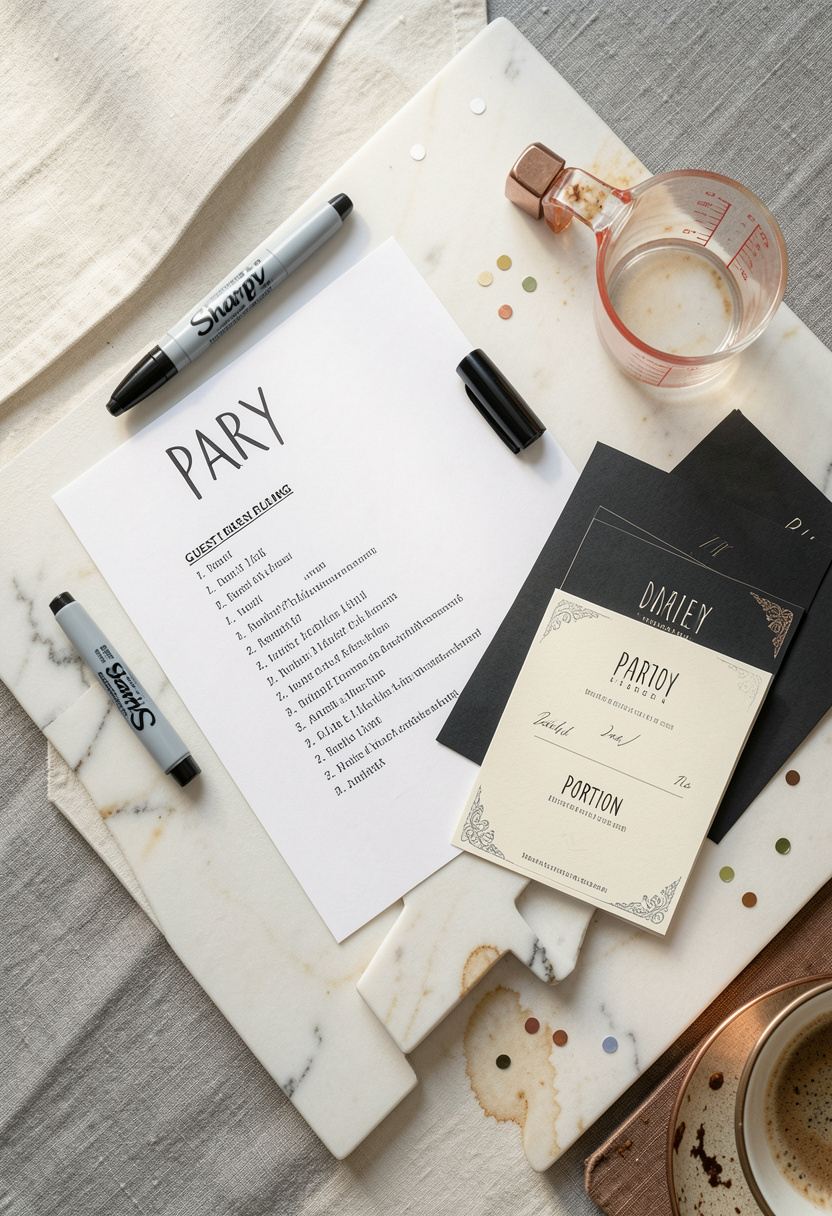
Start with guest math because guessing is where most people overbuy. For a 2-hour casual party plan 6 to 8 finger-food pieces per adult and 4 to 6 oz of protein per person for served mains. For kids, cut portions to half. Use a quick worksheet or a magnetic notepad guest list to lock RSVPs.
The trick is to convert that into shopping quantities. If you expect 20 adults and you choose sliders as a main, plan for about 6 sliders per adult if sliders are the focus, or 4 if you also offer two sides. That math gives you grams or counts to shop by instead of vague packages.
Weighing yields helps. I use an OXO food scale when I scale recipes to feed a crowd. Salt, oil, and bread scale predictably, so overbuying drops dramatically.
Mistake: assuming one recipe feeds double. Instead, calculate per-person portions and round up 10 percent for late arrivals. You'll still have leftovers, but they’ll be manageable and delicious.
2. Menu Scaffolding: Pick Stretchable, Crowd-Approved Recipes
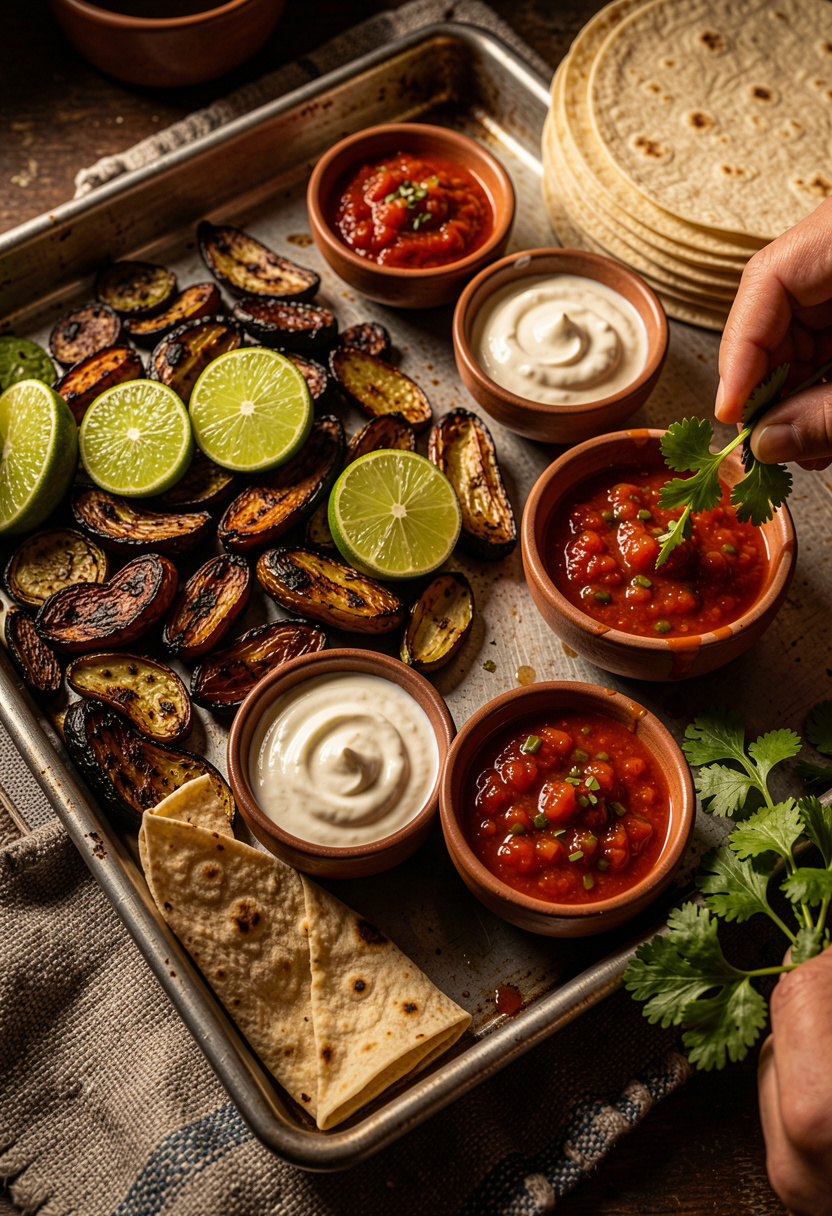
Build the menu like a scaffold: one protein you can make in bulk, one starch that stretches, two veg/side options, and one easy sweet. That keeps shopping focused and lets you repurpose components.
I rely on a Crock-Pot 6 quart slow cooker for pulled pork that turns into tacos, sliders, and nachos. I also lean on a half-sheet pan like the Nordic Ware half sheet pan for roasted veg that doubles as a salad base.
Principle: economies of scale and flavor layering. Cook once, use three ways. That is how you make a small list feed a crowd. Exact cue: make the pork to 195°F internal for pullable texture, then keep at 140°F in a warming tray.
Mistake: making five distinct mains. Instead, choose one star that can be sliced, shredded, or folded. Your fridge and wallet will thank you.
3. Smart Shopping: Where To Buy, What To Splurge On, and Timing
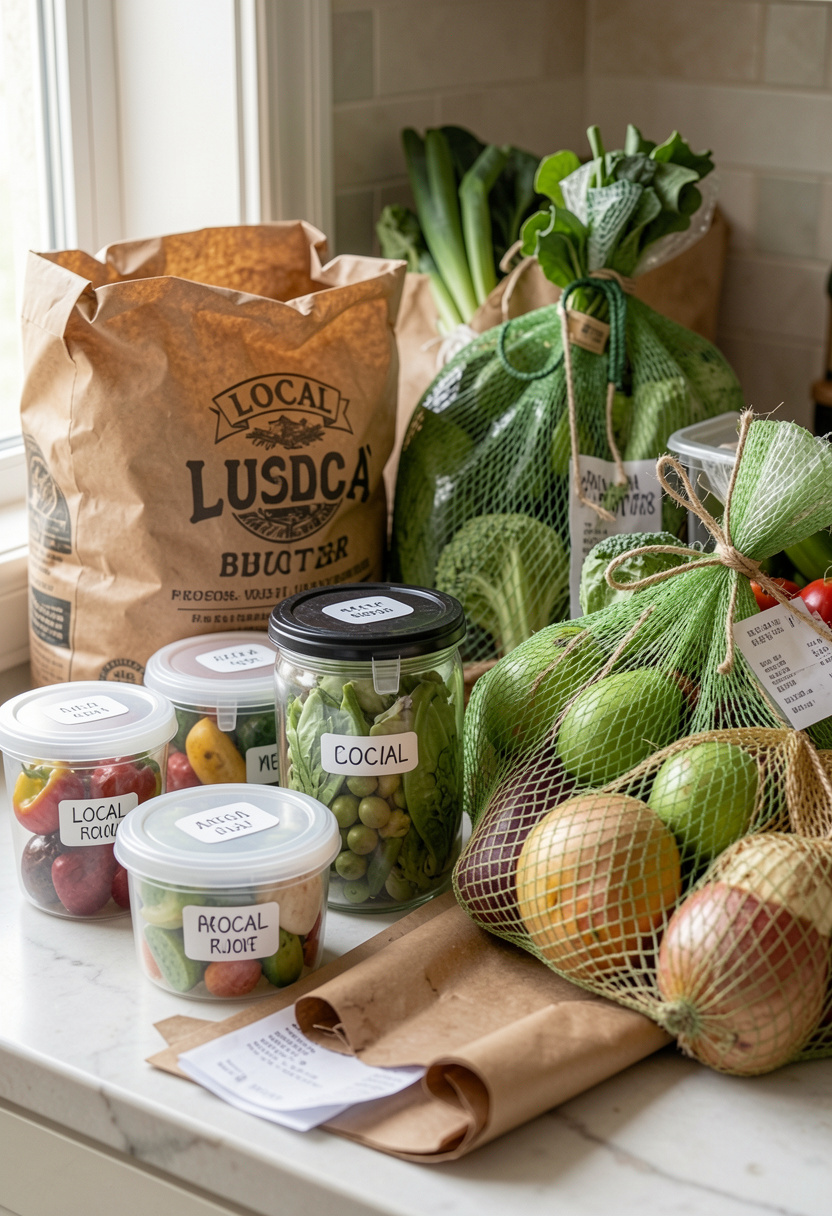
Buy crowd staples in bulk and perishables closer to the party. Costco or Sam’s is great for chips, canned beans, and disposable pans. For a fresher protein, I stop at my local butcher the day before. A small splurge on quality cheese pays off because less is wasted.
Reheat and holding are part of shopping. Buy containers like Pyrex glass food storage 18-piece set for make-ahead salads and leftover distribution.
Timing rule: pick up produce 1 to 2 days before, dairy the day prior, and bakery items the morning of. If you need a last-minute swap, a rotisserie chicken from the deli can be a perfect stand-in.
Ugly truth: charcuterie boards look great on social feeds but cost a lot and often lead to waste. A curated dip board uses half the items and feeds more people.
4. Cook, Hold, and Serve: Temps, Tools, and Portion Control
Holding food correctly cuts waste and food-safety risk. Hot items should stay at 140°F or above and cold items under 40°F. I reheat casseroles at 350°F for 20 to 30 min until they hit 165°F internal. An instant-read like the Thermapen Mk4 thermometer is my non-negotiable.
Serve in batches. I fill chafing pans or use warming drawers to keep a small amount hot and refill from warm holding containers. That keeps texture fresher and portions realistic.
Mistake: putting everything out at once. Food sits, dries, and guests over-serve themselves early. Instead, schedule two waves of plating and label items with ingredient cards so people self-serve sensible portions.
Common Cooking Mistakes to Avoid
Mistake: Buying individual charcuterie items by the ounce.
Why it doesn't work: High cost and many leftovers that don’t travel well.
Do this instead: Assemble a dip board kit with fewer items that stretch.
Mistake: Leaving hot trays at room temperature.
Why it doesn't work: Food safety risk and soggy textures.
Do this instead: Use a chafing dish set or keep in oven at 140°F.
Mistake: Buying oversized dessert meant “for everyone.”
Why it doesn't work: Guests often prefer a slice and a half, not a huge wedge.
Do this instead: Offer mini desserts or a sheet cake cut to 1.5 servings each.
What You'll Need to Make This
Pantry Staples
Diamond Crystal kosher salt 3 lb box around $5 to $8
Extra virgin olive oil 1 L around $10 to $20
Specialty Ingredients
Lao Gan Ma chili crisp 7.4 oz around $5 to $8
Good quality manchego cheese 8 oz around $8 to $15
Tools That Earn Their Counter Space
Lodge cast iron skillet 12 inch approx $25 to $40
OXO food scale approx $20 to $35
Thermapen Mk4 instant-read thermometer approx $70 to $120
Cookbooks Worth the Shelf
Salt Fat Acid Heat by Samin Nosrat (price range $18 to $28)
The Food Lab by J. Kenji López-Alt (price range $18 to $30)
Budget Swaps
Aldi pre-sliced cheese selection (grocery) often half the price of name brands
Disposable aluminum half pans 10-pack around $12 to $20
Shopping Guide for This Recipe
Buy Bulk Staples Early: Stock chips, canned goods, and disposables from a warehouse store like Costco; bulk sugars and rice last months. Bulk rice 25 lb bag around $15 to $30.
Swap When Short: Out of fresh herbs? Use dried herb blends for 1:3 substitution. approx $5 to $12.
Follow 2025 Plant-Forward Trend: Add one hearty plant bowl (roasted chickpeas, grains, greens) so meat goes further. Canned chickpeas 15 oz around $1 to $2.
Splurge vs Save: Splurge on a quality cheese or protein, save on crackers and pickles. Artisan cheddar 8 oz around $8 to $15.
Conclusion
Start with the guest math phase. That one small spreadsheet will cut shopping lists in half and keep flavors focused.
Finish with a labelled leftover plan and a few Pyrex glass containers so friends can leave with a portion and nothing spoils.
Will you try the dry-run guest math or build a plant-forward bowl first?