




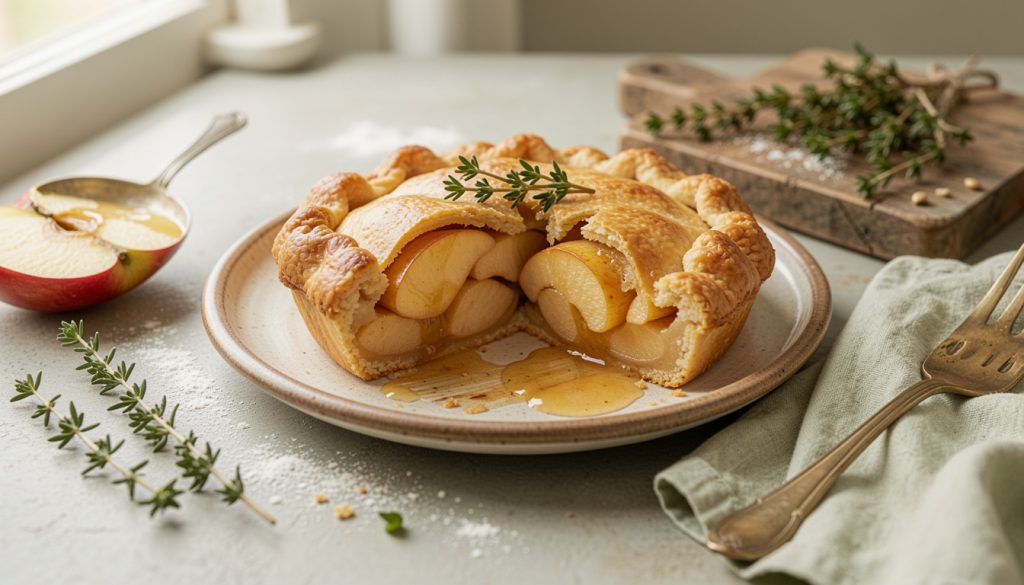

My kitchen smelled like fall the first time I turned an armful of orchard apples into a dessert that stopped people mid-bite. I’ll show you how to make apple desserts with fresh apples so the fruit stays bright, the crust doesn’t sog, and the caramel isn’t cloying.
This guide is for weeknight bakers and weekend home cooks. Expect 45 min active work, 1 to 1 1/4 hr total, and one slightly fiddly step (handling excess apple juice).
Apples peak in most U.S. orchards in September to October (USDA seasonal produce guide), so plan your baking then. I’ve noticed 2025 menus lean toward low-sugar, fruit-forward desserts and heritage apple varieties—both fit perfectly here.
1. The Prep That Keeps Filling Crisp
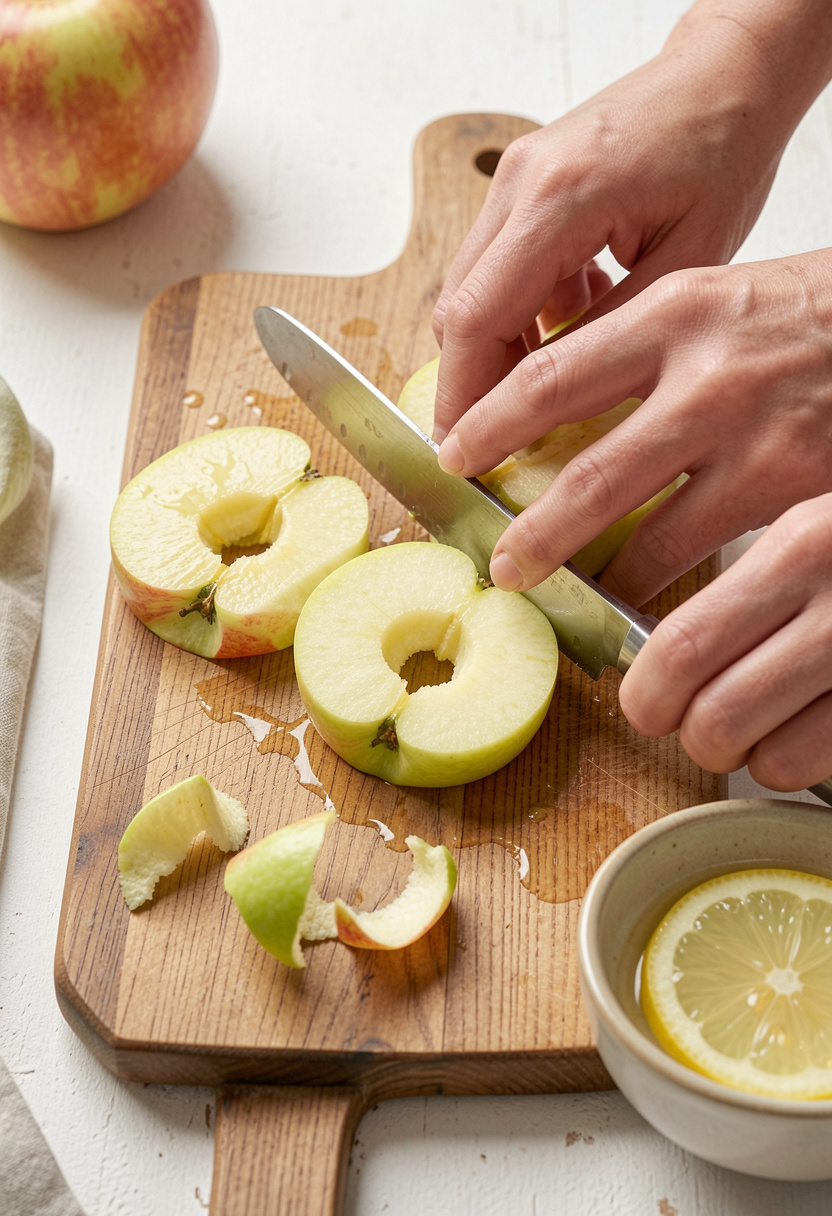

Peel, core, and slice immediately to control browning and moisture. The order matters: peel only if the recipe needs it, core for uniform slices, then toss with acid to preserve color.
A quick tool I trust is the OXO Good Grips apple peeler for even pieces and the Victorinox paring knife 3.25 inch for trimming. Both save time and reduce bruising.
The principle is simple: acid halts enzymatic browning and tightens cell walls so slices hold shape when baked. Toss sliced apples with 1 tbsp lemon juice per 4 cups fruit, plus 1/4 cup sugar for maceration.
A common mistake is slicing too thin. Slices under 1/8 inch go mushy when baked. Aim for 1/4 inch rounds or 1/2-inch wedges so you get tender fruit with bite.
2. Build Flavor: Spice, Sugar, and Texture Layers
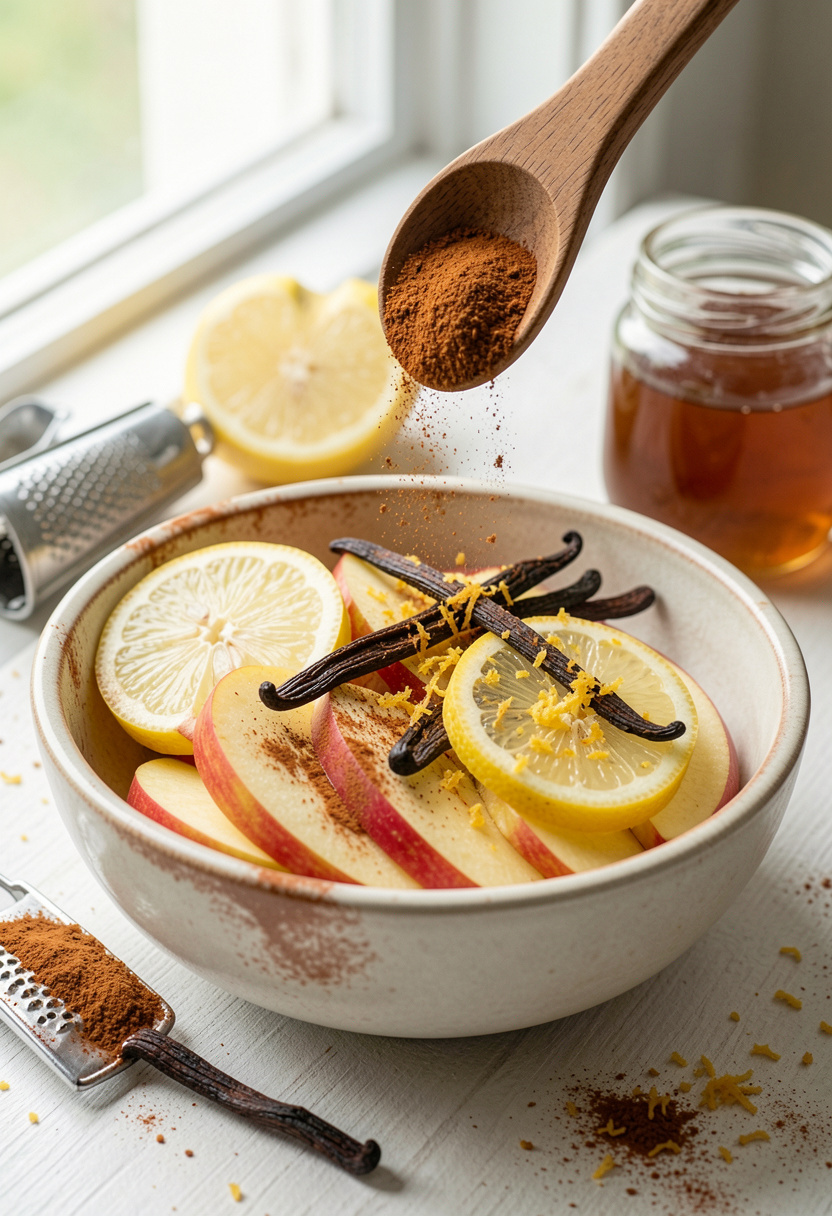

The aim is fruit-forward, not cloying. Mix 2 cups sliced apples with 2 tbsp sugar, 1 tsp ground cinnamon, 1 tsp vanilla, and 1 tbsp maple syrup for a rounded backbone.
I use a Microplane zester for lemon zest and Nielsen-Massey vanilla extract 2 oz for a clean, floral vanilla note. A tablespoon of Grade A maple syrup (try pure maple syrup) adds depth without excessive sweetness.
This is flavor layering and balance: sugar draws juices, spices and acid round the flavor, and a little syrup caramels during baking. For texture, fold in 1/4 cup quick oats or crushed graham for an interior barrier—this soaks excess juice and gives a toasty note.
The mistake most home bakers make here is over-spicing. If the apples taste like a spice rack, reduce cinnamon to 1/2 tsp. Let the fruit be the star.
3. Cook Method: Roast, Pan-Sear, or Sheet-Pan Finish
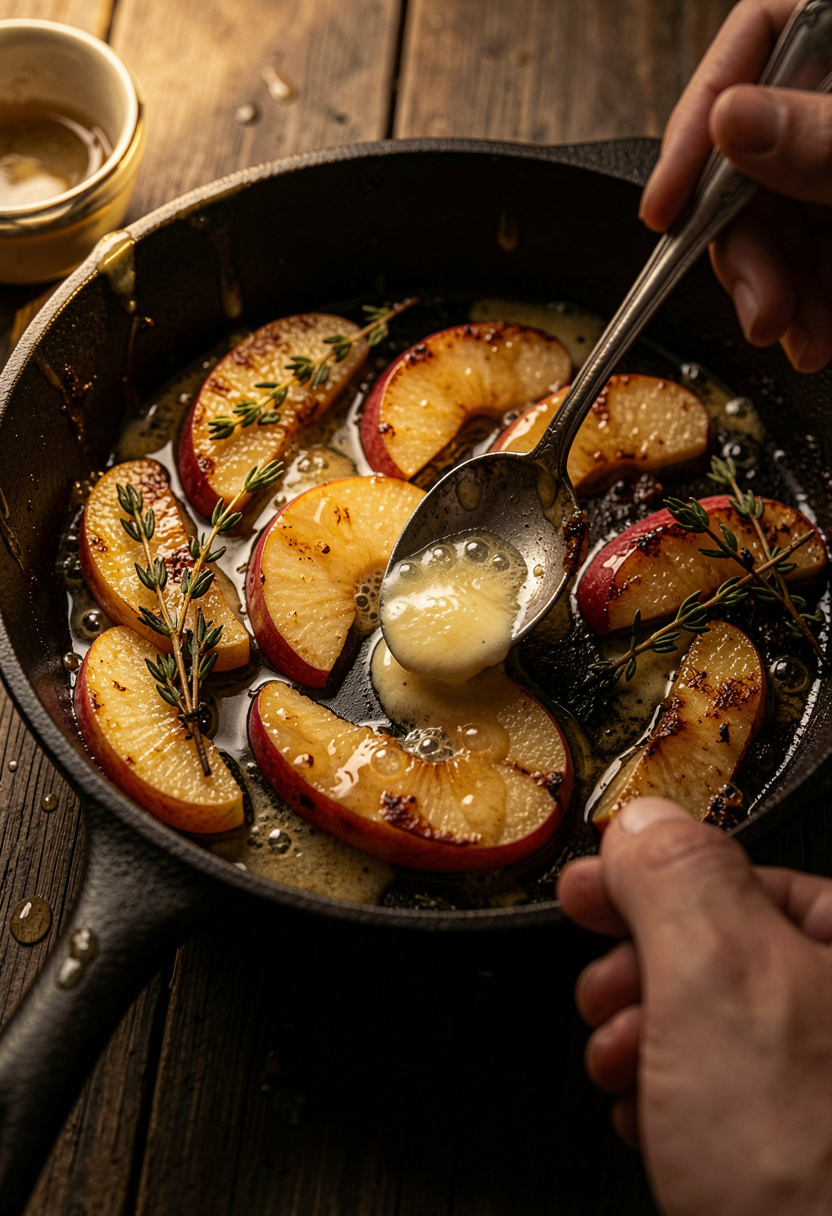

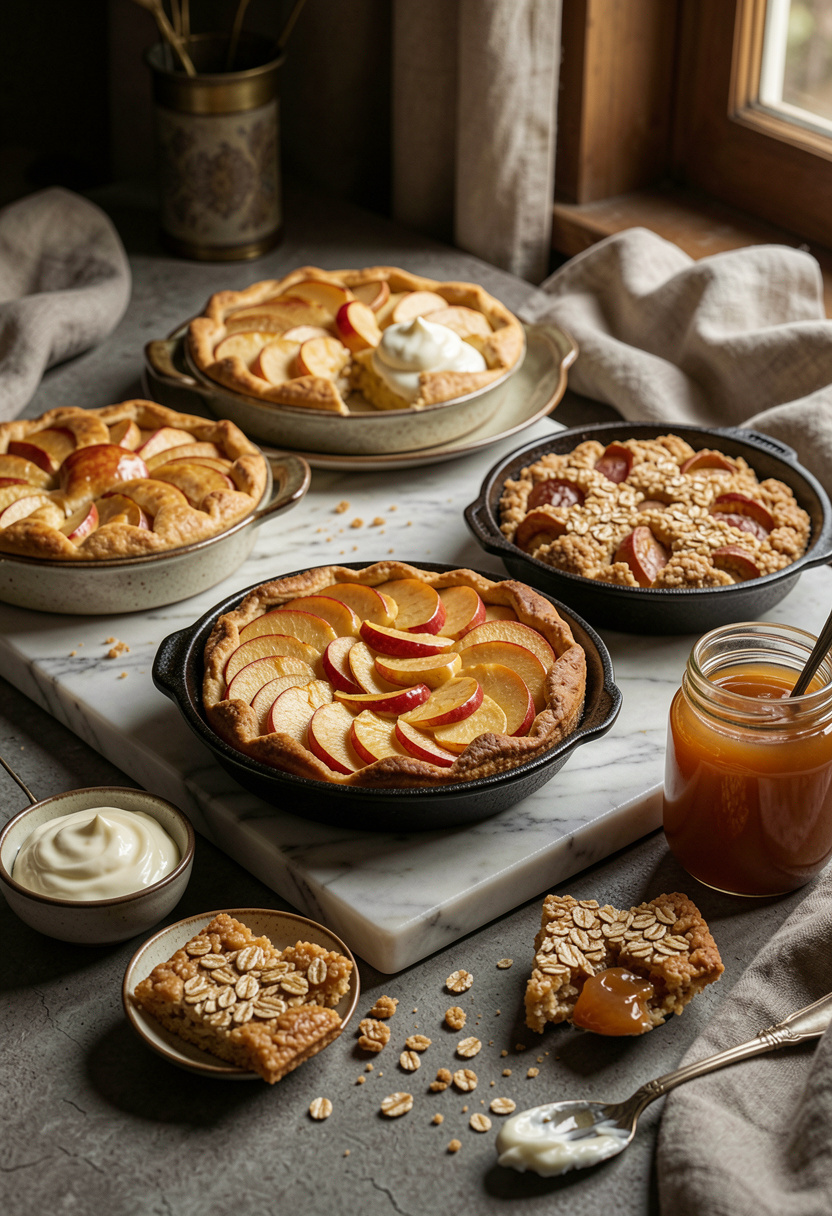
How you cook changes texture. Roast whole wedges at 400°F for 20–25 min for roast-tender apples. Pan-sauté slices in 2 tbsp browned butter for 6–8 min for intense caramel notes. Sheet-pan apples under a lattice crust bake 375°F for 40–45 min.
For oven methods I reach for a Lodge cast iron skillet 10 inch if I want caramelization in the oven, or an Emile Henry pie dish 9 inch for more even heat and a crisper edge.
This phase is Maillard reaction and water control. High heat browns sugars; the right vessel concentrates fond. If you overcrowd the pan, apples steam instead of brown. Sear in a single layer, then finish in the oven if needed.
People sometimes pour too much liquid into the pan "to make sauce"—that dilutes caramel. Reserve juices, reduce them separately to a glaze, and spoon over at the end.
4. The Finish: Caramel, Salt, and the Rest
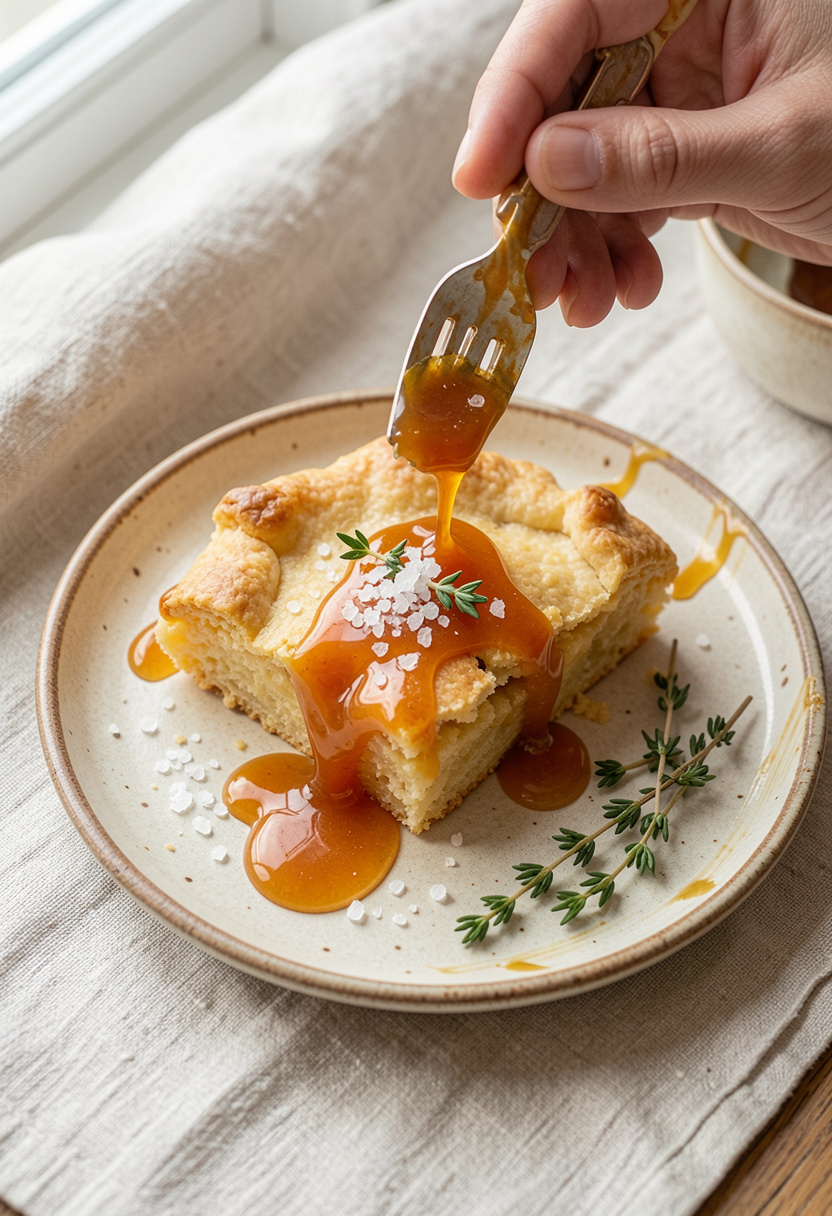

Finish with contrast. A cider-reduced caramel or browned-butter sauce offsets sweetness and brightens the apples. Reduce 1 cup hard cider to 1/4 cup over medium heat, stir in 2 tbsp butter and 2 tbsp sugar to make a glossy glaze.
For finishing salt, I use Maldon flaky sea salt 4.5 oz. One sprinkle on the warm slice lifts flavors.
Tools that matter here: a sturdy silicone spatula for scraping and a set of mason jars 16 oz to store leftover glaze.
An ugly truth: many viral caramel hacks add cream too early and seize. Reduce the cider first, then whisk in butter and cream off heat. The result is glossy, balanced caramel that clings to apple slices.

Common Cooking Mistakes to Avoid
Mistake: Adding too much sugar to the apple mix
Why it doesn't work: Over-sugared apples weep and make the crust soggy.
Do this instead: Use 1.5 to 2 tbsp sugar per 2 cups apple and a tablespoon of pure maple syrup for depth.
Mistake: Crowding pan when searing slices
Why it doesn't work: You steam the apples, losing caramelization.
Do this instead: Sear in batches on a Lodge cast iron skillet 12 inch for room and sear.
Mistake: Putting raw apples under an unbaked crust
Why it doesn't work: Juice pools and sogs the bottom.
Do this instead: Par-bake base 8–10 min in an Emile Henry pie dish 9 inch or pre-roast slices 10 min.
What You'll Need to Make This
Pantry Staples
Diamond Crystal kosher salt 3 lb box around $5 to $8
Domino cane sugar 4 lb around $5 to $9
Parchment paper unbleached around $6 to $12
Specialty Ingredients
Kerrygold butter 8 oz around $4 to $6
Pure maple syrup Grade A around $10 to $18
Maldon flaky sea salt 4.5 oz around $8 to $15
Tools That Earn Their Counter Space
Lodge cast iron skillet 12 inch approx $25 to $60
OXO Good Grips apple peeler around $20 to $35
Microplane zester grater around $10 to $20
Cookbooks Worth the Shelf
Salt Fat Acid Heat by Samin Nosrat (price range $18 to $28)
The Food Lab by J. Kenji L%C3%B3pez-Alt (price range $18 to $30)
Budget Swaps
Pyrex mixing bowl set around $20 to $35 (vs. expensive copper or stainless)
Silicone spatula set around $8 to $15 (Aldi or Walmart often matches quality for less)
Shopping Guide for This Recipe
Pick crisp, not pretty: Choose firm apples like Honeycrisp or Granny Smith; Honeycrisp gives sweetness, Granny Smith gives tartness. Try local orchard bins or buy a mixed bag. Diamond Crystal kosher salt 3 lb box around $5 to $8.
Substitution hack: Out of butter? Use equal butter-flavored oil + 1 tsp salt for pan-searing. Kerrygold butter 8 oz around $4 to $6.
2025 trend tip: Try heritage and heirloom apples for complex flavors and texture contrast; often available at farmers markets and specialty grocers. Check local orchards in September to October.
Splurge vs save: Splurge on a good skillet like Lodge cast iron skillet 12 inch approx $25 to $60; save on measuring cups—store brands work fine. Pyrex mixing bowl set around $20 to $35.
Conclusion
Start with the prep phase—the right slice thickness and a light toss of acid make everything that follows easier. A final sprinkle of flaky salt and a spoon of cider caramel tie sweet, tart, and savory together.
If you try one thing first, par-roast or pan-sear the apples to concentrate flavor before assembling.
Will you try the roast-tender method or the quick skillet caramel first?