




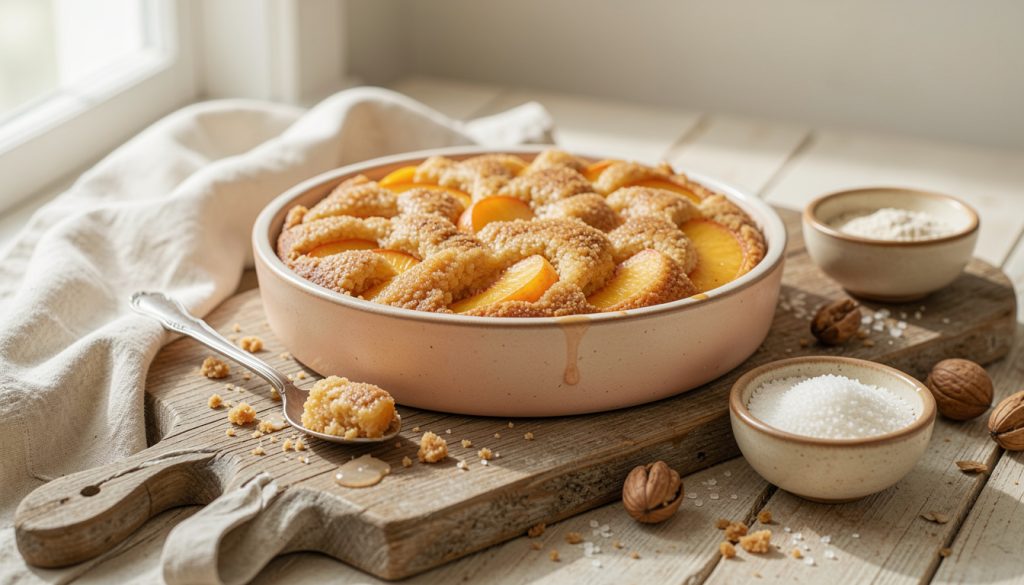

I used to freeze whole peaches and then cry when they turned to mush in my pies.
This guide shows exactly how to freeze peaches for desserts so they hold shape, color, and flavor. Expect about 45 min hands-on for a 3 lb batch, beginner-friendly with one fiddly step: the blanch.
You will learn three reliable methods, how to thaw for four dessert types, and the one trick I wish I knew sooner.
Peaches are summer-sweet, tender, and juicy, which is why they go soft when frozen. This guide focuses on desserts from pies to ice cream and skews toward weeknight bakers who want restaurant-quality outcomes without specialty equipment.
Plan for about 45 min hands-on. The methods are low-tech. I notice more home cooks in 2025 using vacuum sealing and single-layer flash freezing to keep texture, which I agree with after testing.
1. Quick Blanch, Peel, and Dip to Stop Browning
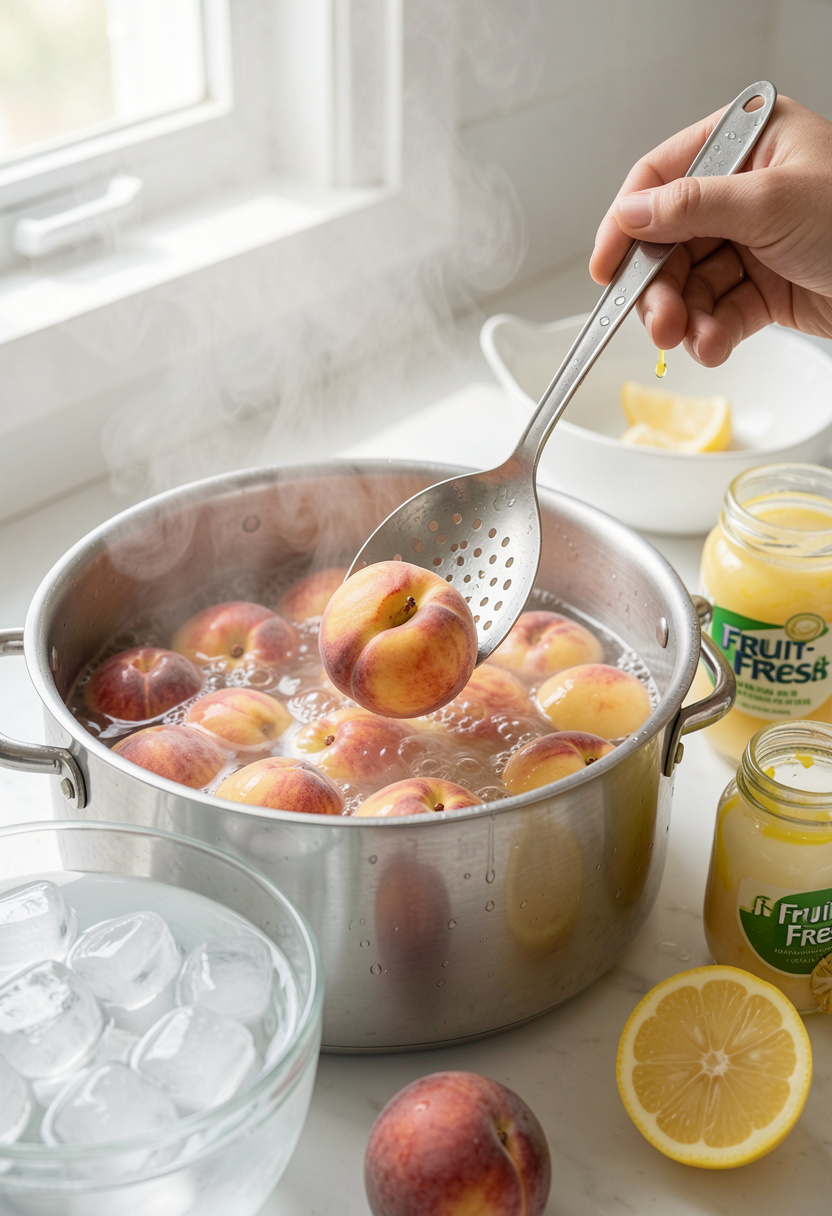

The trick is removing skin quickly without cooking the flesh. Bring a large pot of water to a rolling boil and prepare an ice bath.
Score a shallow X at the stem end, drop peaches in for 30 to 60 seconds until the skin loosens. Shock in ice water immediately. Peel with an OXO Good Grips peeler or your fingers.
Before slicing, dip peaches in an ascorbic acid solution to stop browning. I keep Ball Fruit-Fresh 4 oz on the shelf, or use 2 tbsp bottled lemon juice per quart of water. This step preserves color and prevents off flavors during long freezing.
Why it matters: ice crystals form during freezing and brown pigments accelerate with oxygen. Removing skin and using ascorbic acid reduces surface damage and discoloration.
Common mistake: boiling too long. If you blanch more than 60 seconds the fruit softens. Do short blanches and cool fast for firm slices.
2. Flash-Freezing Single Layer for Crisp Slices
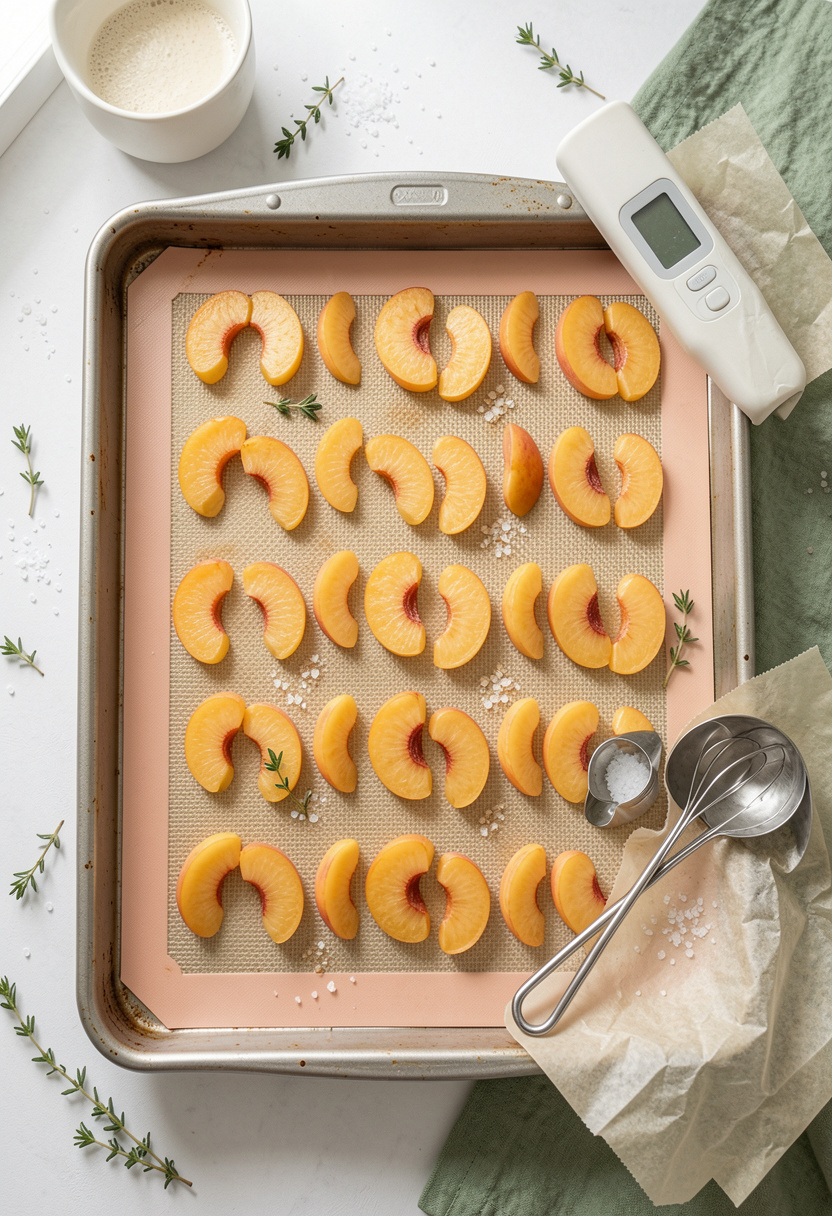

Lay peeled slices on a rimmed sheet pan in one layer and freeze flat for 2 to 4 hours until solid. Use a Silpat silicone baking mat or parchment so slices do not stick.
Flash-freeze prevents large ice crystals from forming between pieces. Smaller crystals mean less cell rupture and firmer thawed texture.
Once frozen, transfer peaches to Ziploc freezer gallon bags or pour into FoodSaver gallon vacuum sealer bags and remove air. I use a FoodSaver Vacuum Sealer 11 inch when I have lots to store.
Exact timing: freeze 2 to 4 hours at 0°F (-18°C) or colder. USDA recommends 0°F for long-term freezer storage. Store flat, labeled, and use within 8 to 12 months for best quality.
Mistake people make: tossing warm slices into a bag. They clump and refreeze into a block. Always freeze single layer first, then bag.
3. Syrup Pack and Sugar Tricks to Preserve Texture
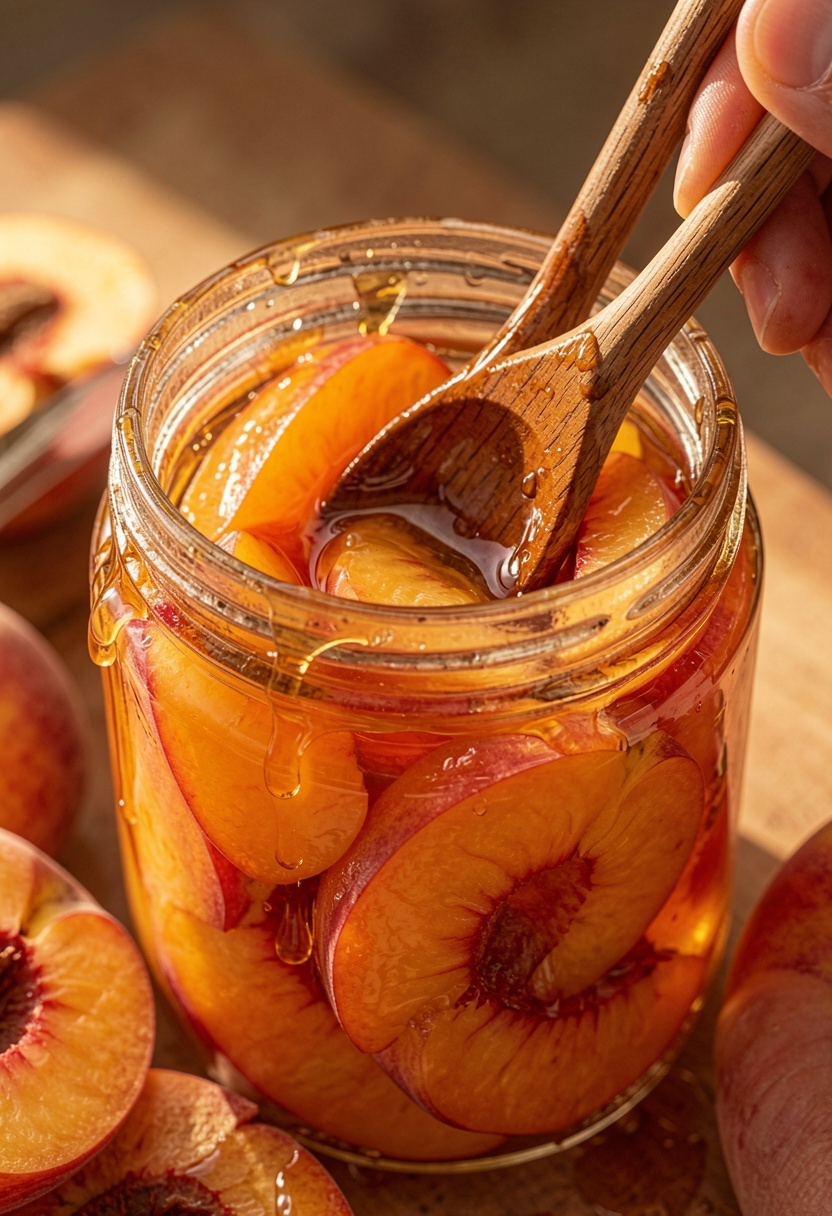

For desserts where intact slices matter, syrup packs create a buffer against ice crystals. Make a light syrup: 1 cup sugar to 4 cups water, bring to a simmer until sugar dissolves, cool to room temp.
Pack slices into jars or bags and pour syrup so peaches are submerged. Leave 1/2 inch headspace. Use Ball Mason Jars 16 oz or heavy-duty freezer bags. Syrup reduces free water and keeps texture silkier after thaw.
Sugar pack alternative: toss slices with 1/4 cup sugar per pound and macerate 15 min, then freeze single layer. For pies, dust frozen slices with 1 to 2 tbsp quick-cooking tapioca per pound to soak up juices during baking. I use Bob's Red Mill Quick Cooking Tapioca 16 oz.
Mistake: using too-heavy syrup for baking. Heavy syrup can dilute flavors and make fillings runny. For pies choose light or macerate-and-freeze approach.
4. Thawing and Baking: When to Use Frozen vs Thawed
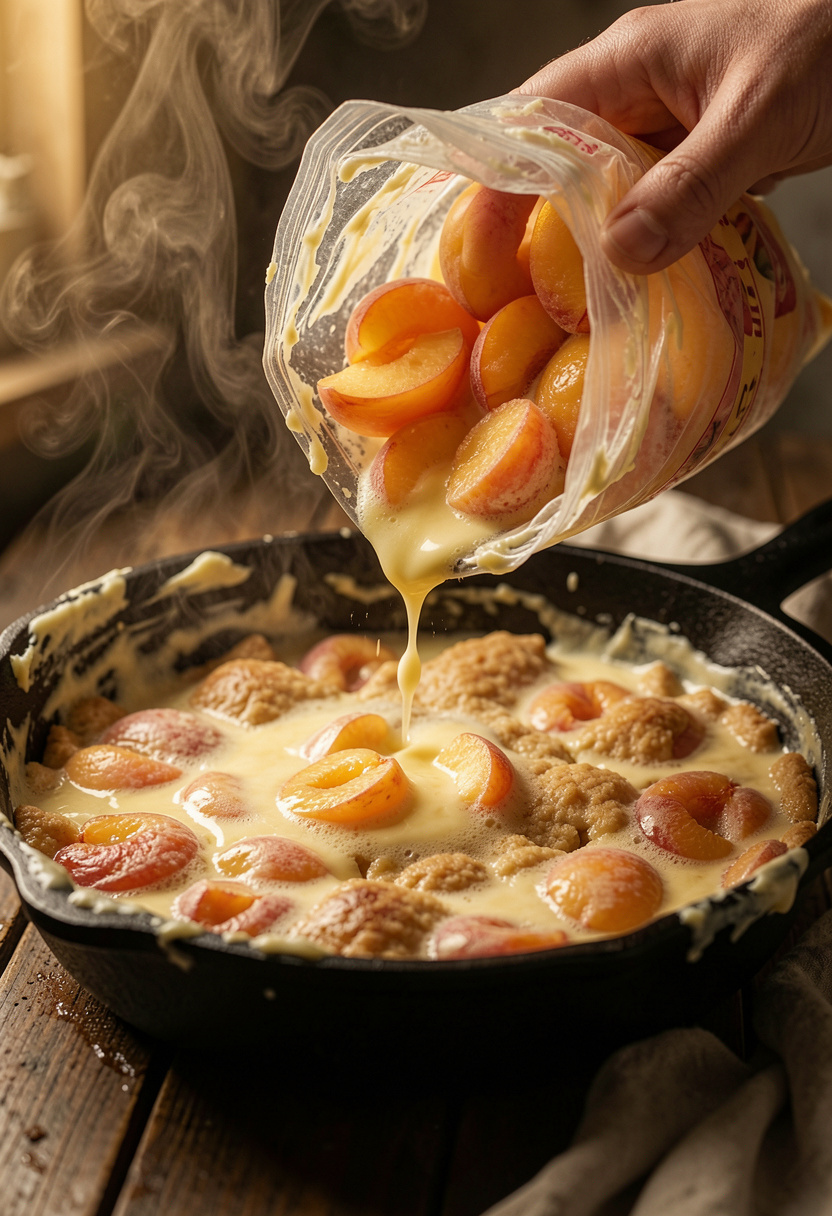

For crisps and cobblers, toss frozen peaches directly into the pan. They release less juice when frozen solid, and the fruit keeps shape as the filling cooks. For pies, I prefer partial thaw: thaw 20 to 30 min in a colander over a bowl, drain, then toss with thickener.
If using frozen in jam or compote, cook straight from frozen—longer simmer time concentrates flavor. When making ice cream, puree half-thawed fruit for smoother texture.
Thawing rules: fridge thaw for 6 to 8 hours for salads or fresh applications. Never microwave-thaw unless you plan to cook immediately.
Common mistake: fully thawing peaches overnight in the sink. You lose juices and end up with a limp, watery filling. Thaw in fridge or cook from frozen depending on the recipe.
5. Bonus: Stabilizing with Tapioca or Cornstarch for Baking
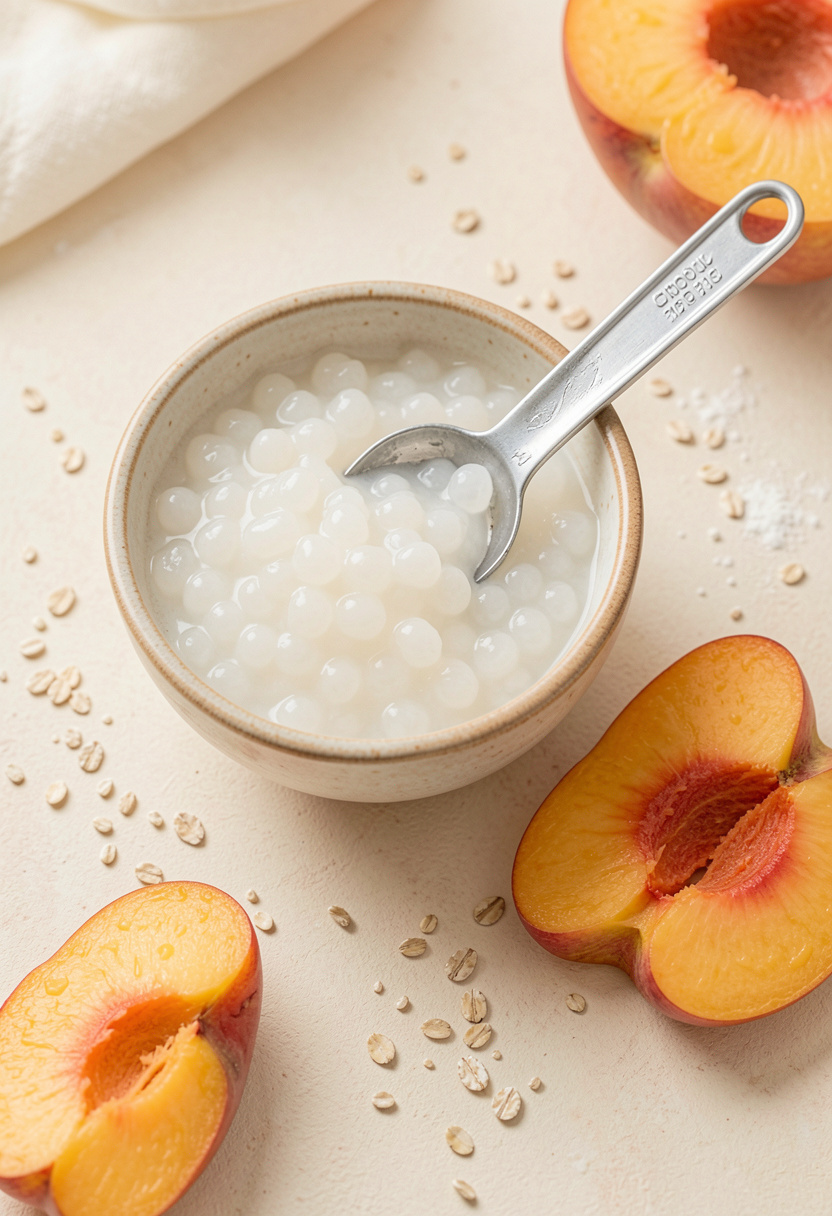

If you want a clean slice in a pie, pre-mix a thickener before assembly. For tender frozen peaches I use 1 to 1 1/2 tbsp quick-cooking tapioca per pound or 2 tbsp cornstarch per pound if serving right away.
Tapioca holds up better under long baking and prevents a gluey finish. Use Argo Cornstarch 16 oz or Bob's Red Mill Quick Cooking Tapioca.
Why it works: starch granules swell with heated juices and create a stable gel. If you skip thickener, expect runny filling, especially with syrup-packed fruit.
Common Cooking Mistakes to Avoid
Mistake: Skipping the flash-freeze and stuffing warm slices into a bag
Why it doesn't work: Slices freeze together into a block and form large ice crystals that burst cells.
Do this instead: Freeze single layer on a lined sheet first, then bag. Try a Nordic Ware half sheet pan for even freezing.
Mistake: Not treating peaches for browning
Why it doesn't work: Oxidation turns flesh gray and dulls flavor.
Do this instead: Dip slices in an ascorbic solution using Ball Fruit-Fresh 4 oz.
Mistake: Using heavy syrup for pies
Why it doesn't work: Heavy syrup can make fillings too wet and sweet.
Do this instead: Use light syrup or sugar-maceration and add quick-cooking tapioca.
What You'll Need to Make This
Pantry Staples
Diamond Crystal kosher salt 3 lb box around $5 to $8
ReaLemon concentrated lemon juice 32 oz around $4 to $7
Granulated sugar 4 lb bag around $3 to $6
Specialty Ingredients
Ball Fruit-Fresh 4 oz approx $6 to $12
Bob's Red Mill Quick Cooking Tapioca 16 oz around $6 to $10
Tools That Earn Their Counter Space
Nordic Ware half sheet pan approx $15 to $25
Silpat silicone baking mat around $15 to $25
FoodSaver Vacuum Sealer 11 inch approx $80 to $150
Cookbooks Worth the Shelf
Salt Fat Acid Heat by Samin Nosrat (price range $18 to $28)
The Food Lab by J. Kenji Lopez-Alt (price range $18 to $30)
Budget Swaps
Ziploc Freezer Gallon Bags around $8 to $12 as a cheaper bag option vs vacuum sealing
Shopping Guide for This Recipe
Buy peaches at peak: Buy local freestone peaches in July and August for the best sugar. [Local farmers markets] often have better prices than supermarkets.
Fruit-Fresh vs lemon juice: Fruit-Fresh is concentrated and color-stable, but ReaLemon concentrated lemon juice 32 oz is a good save for $4 to $7.
Splurge vs save: Splurge on a FoodSaver Vacuum Sealer 11 inch if you freeze a lot; save with Ziploc Freezer Gallon Bags for occasional batches.
Substitution hack: Out of tapioca? Use 2 tbsp cornstarch per pound, pre-mixed with 2 tbsp granulated sugar. Argo Cornstarch 16 oz around $2 to $5.
2025 trend: More home cooks are using single-serve vacuum pouches for freeze-and-go dessert prep. Try FoodSaver gallon vacuum bags.
Check freezer temp: Keep freezer at 0°F. A basic freezer thermometer is handy and inexpensive.

Conclusion
Start with the blanch and dip. That one small step saves your fruit’s color and much of its structure.
If you want a single recommendation, flash-freeze single layer then vacuum-seal for the best texture in baking. A light syrup or a dusting of quick-cooking tapioca will keep pies tidy.
Will you try the flash-freeze single-layer method first or go straight for the syrup pack?