






How to preserve cherry tomatoes became a personal mission after I found an entire pint shriveled on the counter the morning after a Saturday market run. They still tasted fine, but the texture was leathery and the skins puckered.
This guide shows what to do in the next 48 hours to keep them glossy and pop-in-your-mouth fresh. Expect easy techniques, one or two small tools, and options for rescue if they start to wrinkle.
Tomato-forward, Mediterranean-leaning, weeknight-friendly. Most tips take minutes. Beginner-friendly, with one technique that needs 20 min hands-on and 1 hr passive time. I’ve noticed more cooks this year trying short refrigeration then reviving at room temp.
1. Pick and Prep: Choose Tomatoes That Will Last
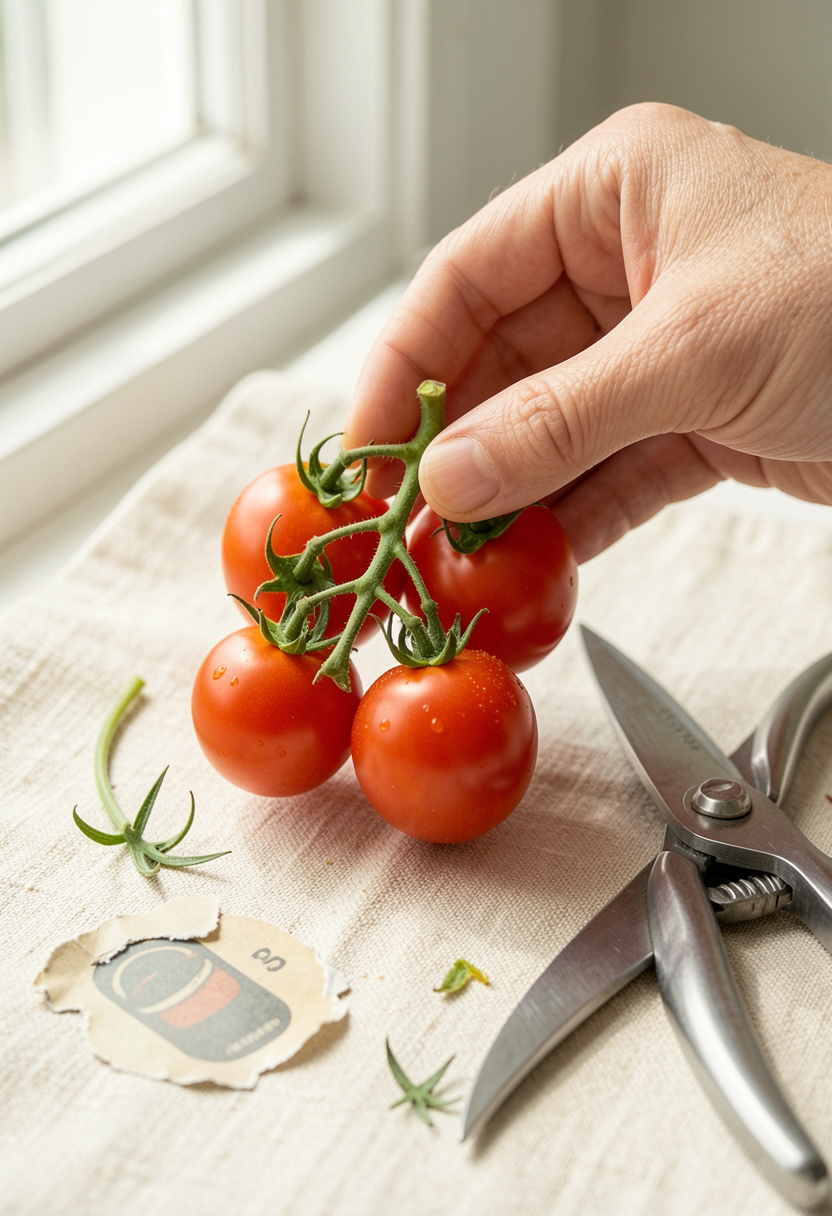

Start at the market. The tomatoes that last are firm with a little give, skin intact, and stems attached. The vine acts like a moisture anchor so keeping clusters intact slows water loss.
Trim only damaged bits with kitchen shears. A clean cut at the stem reduces bruising. I like kitchen shears around $8 to $18 for everyday trimming.
Why this matters. Intact skin and stem slow transpiration, which is why picking makes more difference than any storage trick. The cooking principle is simple: reduce surface area and tears where evaporation speeds up.
Common mistake. Folks remove stems because it looks tidy. That creates tiny wounds that speed wrinkling. Keep stems on until you plan to eat.
2. Low-Humidity Counter Setup: Single Layer, Stem Up
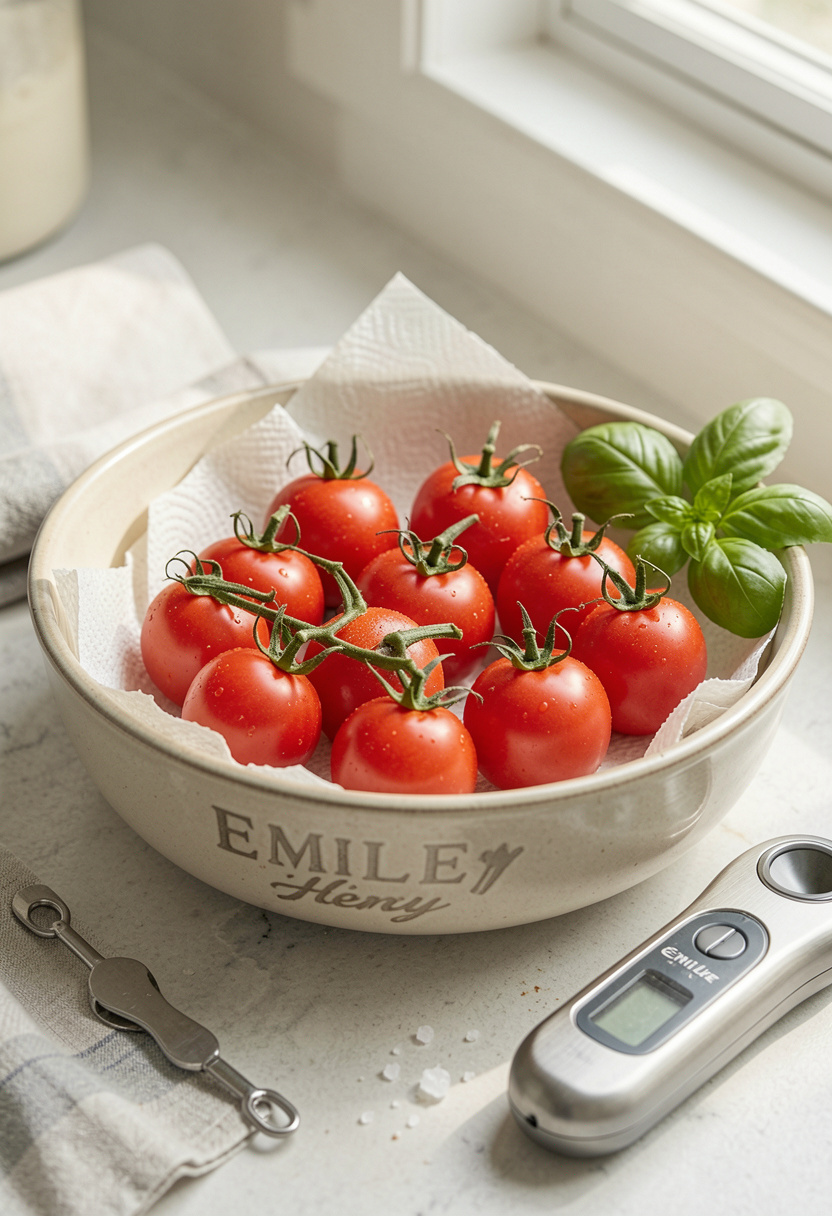

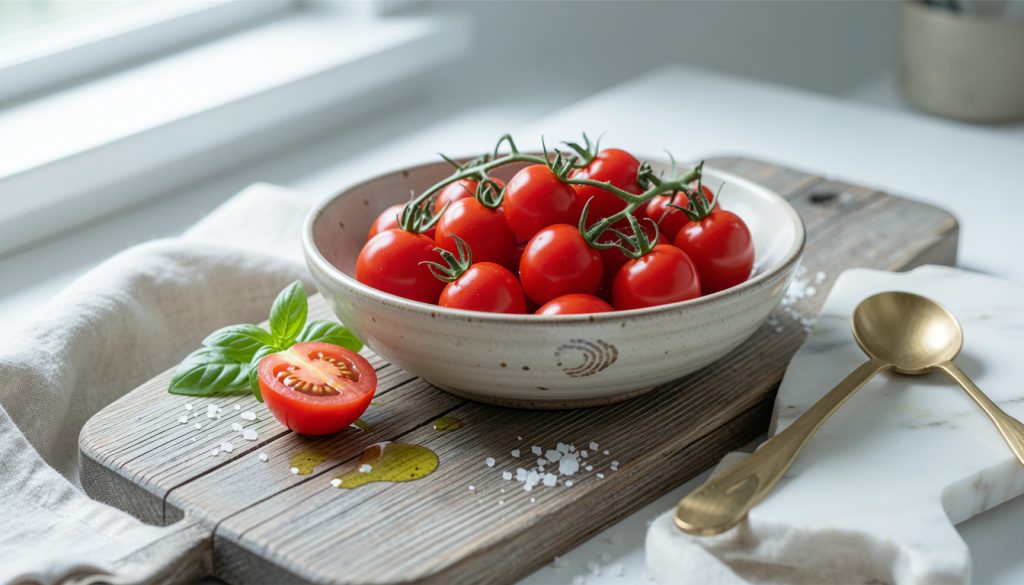
The trick is single layer. Lay tomatoes stem-up on a breathable surface like a ceramic bowl lined with paper towel. That keeps air flowing and wicks early moisture.
If your kitchen gets hot, move the bowl to the coolest counter corner away from sun and appliances. I store mine next to the pantry where temperature stays around 65°F to 70°F.
Tools that help: an Emile Henry ceramic bowl 10 inch approx $40 to $60 and a roll of Bounty paper towels around $8 to $18. The principle at work is lowering local humidity without sealing the fruit, which prevents condensation and mold.
Mistake people make. They pile tomatoes into a plastic bag on the counter. That traps moisture and triggers rot. Instead, give each tomato breathing room.
3. Short Chill: Slow Ripening Without Killing Flavor
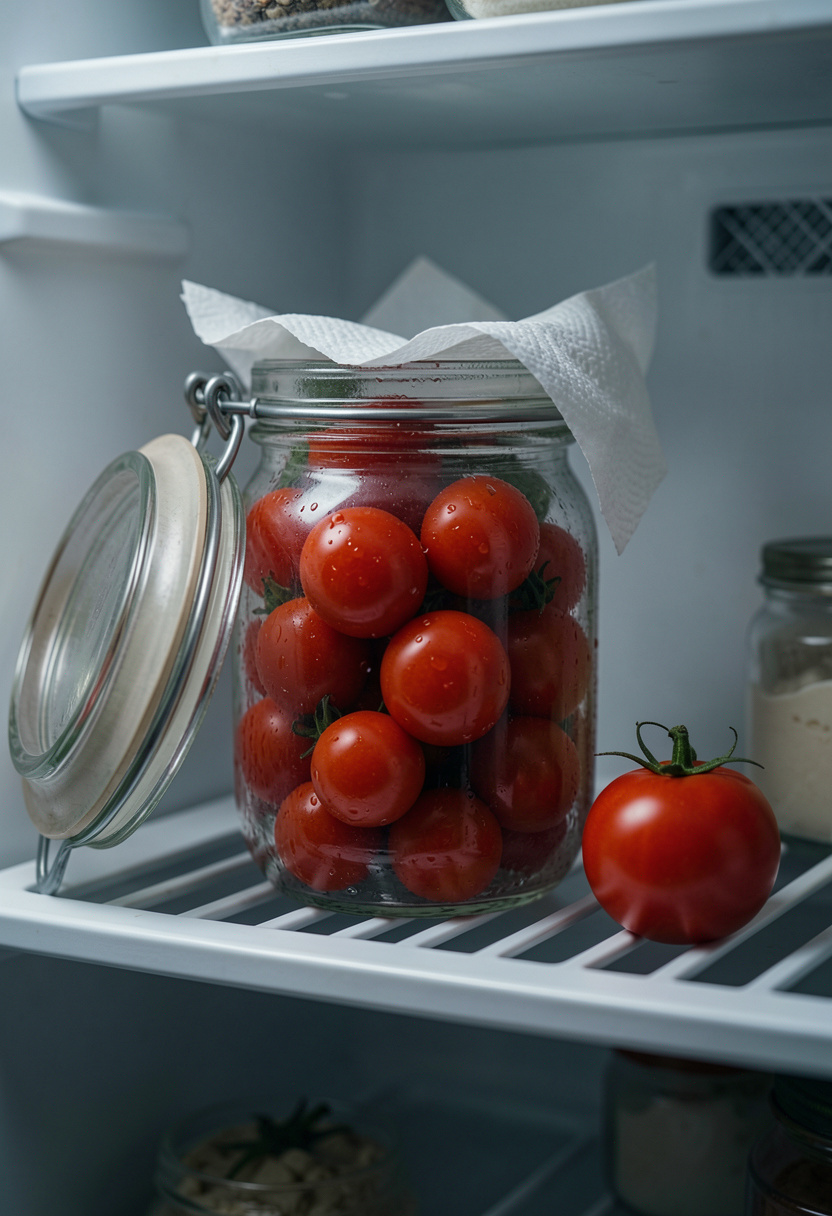

If your kitchen hits 75°F or higher, a short chill helps. Pop ripe tomatoes into the fridge for 2 to 5 days to slow water loss. USDA guidance says refrigeration can delay spoilage and extend usable life by several days.
Bring them back to room temp for at least 24 hours before eating. University of California Davis research shows refrigeration reduces some aroma volatiles but letting tomatoes warm recovers much of their flavor.
How to store in the fridge. Use a breathable container or a jar with the lid slightly open. I use Ball mason jar 16 oz 12 pack around $15 to $28 for short chilling and viewing ripeness.
Big mistake. Keeping tomatoes in sealed plastic containers creates condensation and a soggy skin. Avoid sealed bags unless you use a FoodSaver vacuum sealer approx $60 to $160 which removes air but needs bags and care.
4. Quick Rescue: Roast, Confit, Or Freeze Before Wrinkles
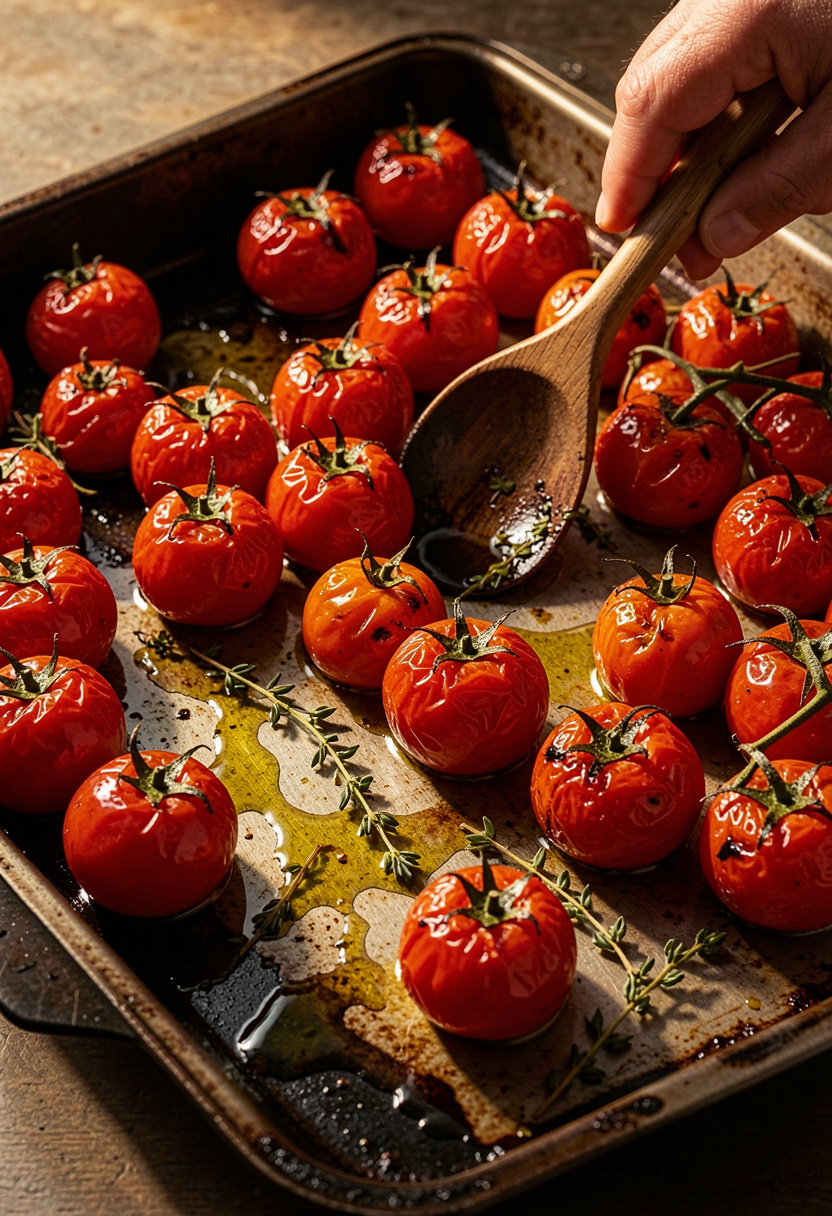

When skins start to pucker, rescue them. Quick roast at 400°F for 20 to 25 min concentrates sweetness and sets texture. Or make tomato confit at 250°F for 45 to 60 min in olive oil with garlic.
For freezing, halve and flash-freeze on a Nordic Ware half sheet pan approx $25 to $40, then bag in Stasher silicone bag quart approx $10 to $18. Roasted tomatoes make fast weeknight sauce, and frozen halves thaw into soups and stews without the leathery texture.
Technique principle. Heat breaks cell walls and locks sugars in, which compensates for water loss and turns wrinkles into concentrated flavor. Mistake to avoid. Preserving in oil at room temperature without acid and proper refrigeration raises safety concerns. Always cool and refrigerate oil-packed tomatoes promptly in a sealed jar like a Weck glass jar 16 oz around $6 to $12.
Common Cooking Mistakes to Avoid
Mistake: Storing tomatoes in a sealed plastic bag on the counter
Why it doesn't work: Traps moisture, causes condensation and mold.
Do this instead: Lay stem-up in a single layer in a Emile Henry ceramic bowl approx $40 to $60.
Mistake: Refrigerating ripe tomatoes for more than a week without warming before eating
Why it doesn't work: Texture degrades and volatile aroma compounds reduce.
Do this instead: Chill for short bursts and bring to room temp 24 hours before serving using a Ball mason jar 16 oz 12 pack around $15 to $28.
Mistake: Packing tomatoes into oil at room temperature and leaving out
Why it doesn't work: Low acid, low oxygen environments can risk spoilage.
Do this instead: Cool cooked tomatoes, then store in sealed jars in fridge. Use Weck glass jar 16 oz around $6 to $12.
What You'll Need to Make This
Pantry Staples
Diamond Crystal kosher salt 3 lb box around $5 to $8
Colavita extra virgin olive oil 1 L approx $12 to $20
Maldon sea salt flakes 4.4 oz around $8 to $15
Specialty Ingredients
FreshPaper produce saver large pack approx $6 to $15
Bee's Wrap large around $10 to $18
Tools That Earn Their Counter Space
Nordic Ware half sheet pan approx $25 to $40
Stasher silicone bag quart approx $10 to $18
FoodSaver vacuum sealer approx $60 to $160
Cookbooks Worth the Shelf
Salt Fat Acid Heat by Samin Nosrat (price range $18 to $28)
The Food Lab by J. Kenji Lopez-Alt (price range $18 to $30)
Budget Swaps
Stainless steel colander approx $10 to $20 (Aldi often has a near-identical colander for less)
Kitchen shears around $8 to $18
Shopping Guide for This Recipe
Pick Firm But Slightly Soft: Check for a gentle give and intact stems. Try mesh produce bag around $6 to $12 for transport.
Seasonal Window: Cherry tomatoes peak June to September in most U.S. markets, buy more then and freeze. See Nordic Ware half sheet pan approx $25 to $40 for flash-freezing.
Substitution Hack: Out of fresh? Roast canned cherry tomatoes or use grape tomatoes. Use Colavita extra virgin olive oil 1 L approx $12 to $20 to boost flavor.
Splurge vs Save: Splurge on a good olive oil for confit. Save on storage jars; generic mason jars work like a charm. Try Weck glass jar 16 oz around $6 to $12.
Conclusion
Start with the pick-and-prep phase. Choosing firm, stem-on tomatoes and giving them single-layer breathing space on the counter preserves texture more than fancy equipment.
If they begin to wrinkle, roast or freeze quickly. The principle is preventing surface water loss or turning that loss into concentrated flavor.
Will you try the short fridge trick and bring them back to room temp, or roast a pan and freeze the rest?