




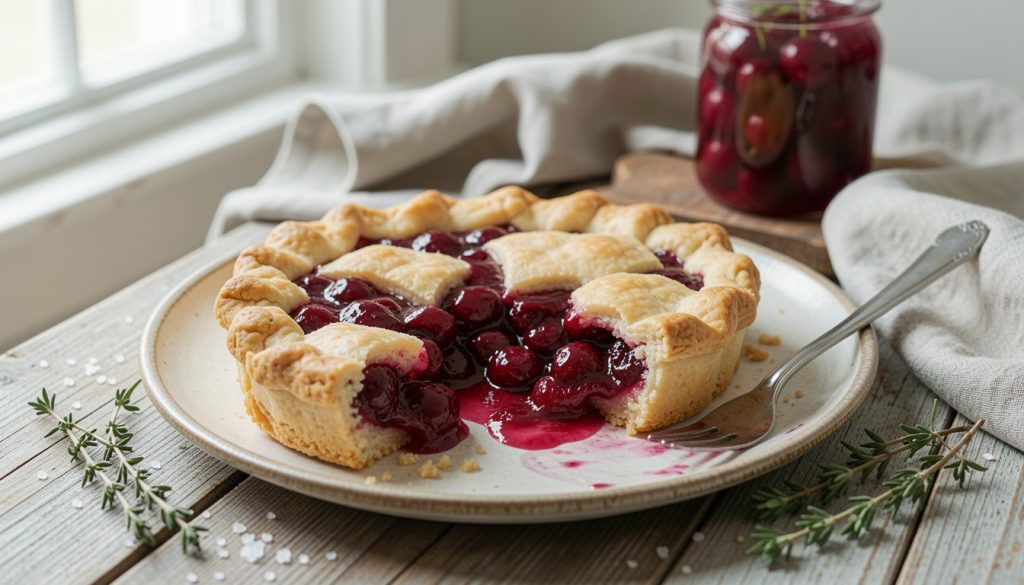

How to make cherry pie filling that tastes better than canned is easier than it looks.
I learned that the hard way after a gummy first attempt and a crust-soggy second.
This guide shows you the exact sugar, pitting trick, thickener and finish I use to beat canned every time, about 45 min hands-on, beginner-friendly with one slightly technical step you will nail.
Fresh cherries peak June to July in the U.S., per USDA, so this recipe shines in summer but works with frozen cherries too.
I call this a weeknight-project recipe, not a fuss-free dump-and-bake. Home preservation and pantry cooking have been trending into 2025, which explains why people want better-than-canned options with long shelf life and real flavor.
1. Pit and Macerate For Real Cherry Flavor
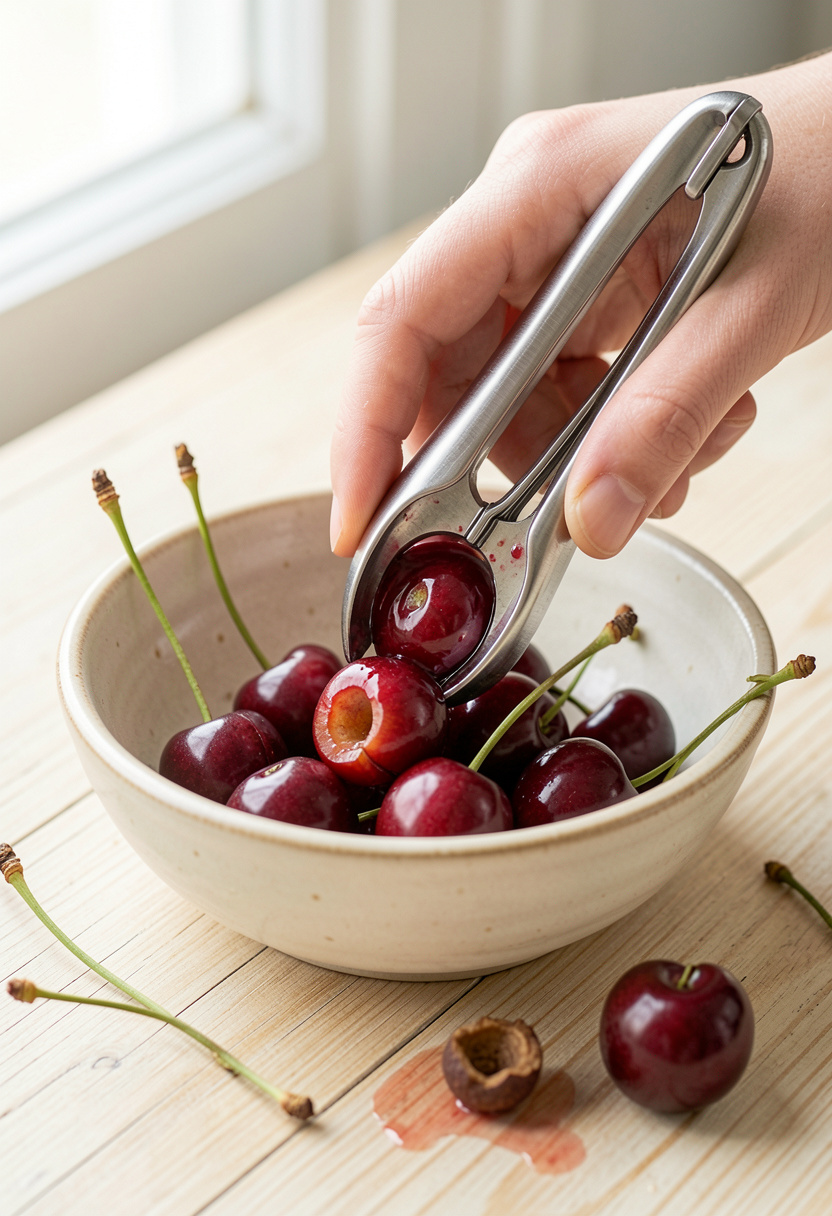

The trick is to let salt and sugar coax flavor out before heat.
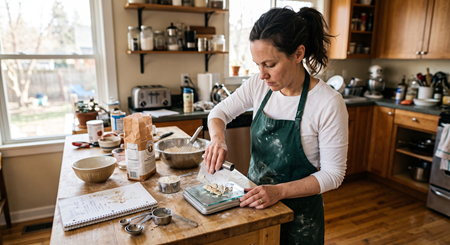
Trim stems, halve or pit 1.5 lb sweet cherries, then toss with 1/3 cup granulated sugar and a pinch of Diamond Crystal kosher salt. Let sit 20 to 30 min until they release glossy juice.
I use a OXO Good Grips silicone spatula to stir. The sugar draws out juice by osmosis, which keeps the fruit lively when you cook it.
Why this order. Maceration starts flavor extraction so you need less cooked sugar later. That means brighter cherry notes and less caramelized cling.
Common mistake: pitting right before cooking. Do it early so the cherries relax. If you pit and rush to the pan, the fruit collapses and you lose texture.
2. Build a Flavor Base That Isn’t One-Note
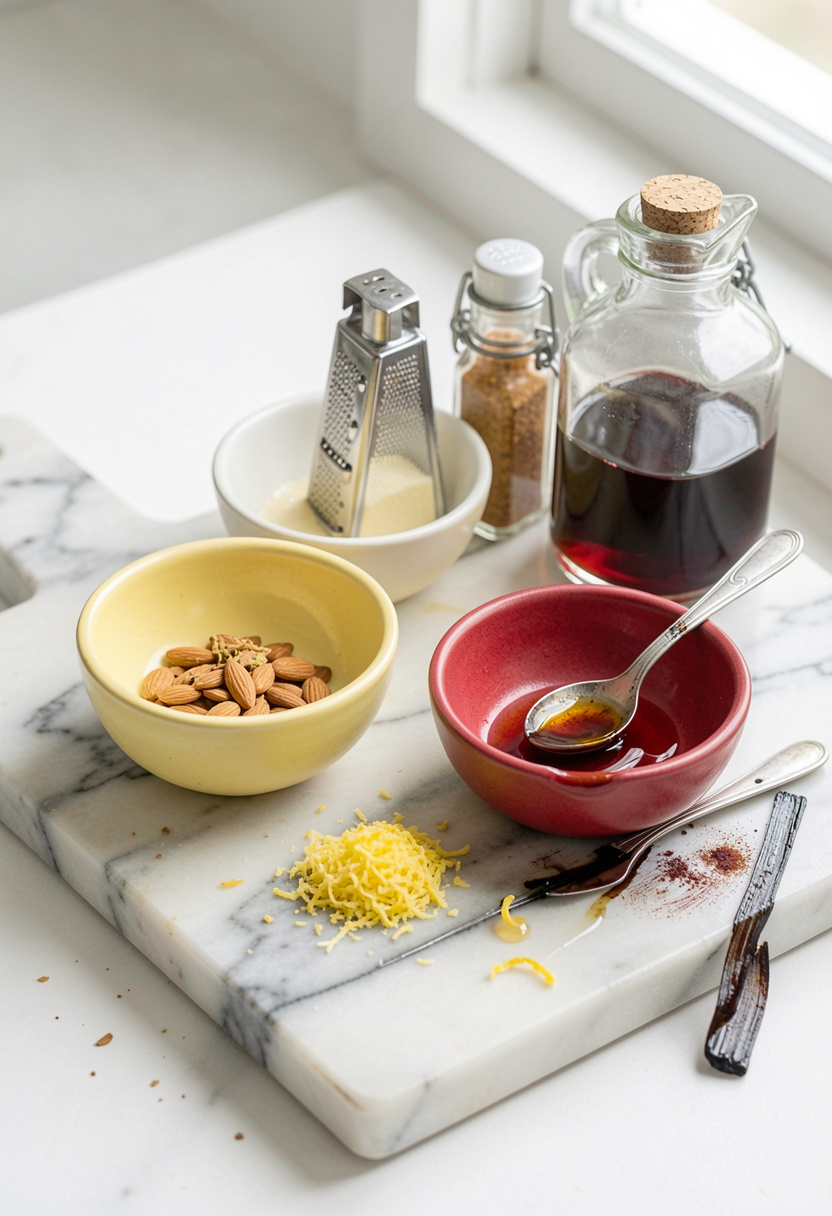

A little acid and one bittersweet note make a huge difference.
After macerating, add 1 tbsp fresh lemon juice and 1 tsp finely grated lemon zest, 1/2 tsp McCormick almond extract and 1 tbsp Luxardo Maraschino 375 ml or brandy if you prefer.
The lemon brightens, almond extract reinforces the cherry kernel aroma, and a splash of liqueur adds complexity without sweetness.
Cooking principle: acid balances sugar and tricks the palate into tasting more fruit. The liqueur carries volatile aromatics that survive the simmer.
Mistake: using too much almond extract. It becomes perfume. Start small and taste as you go.
3. Cook and Thicken Without Gluey Aftertaste
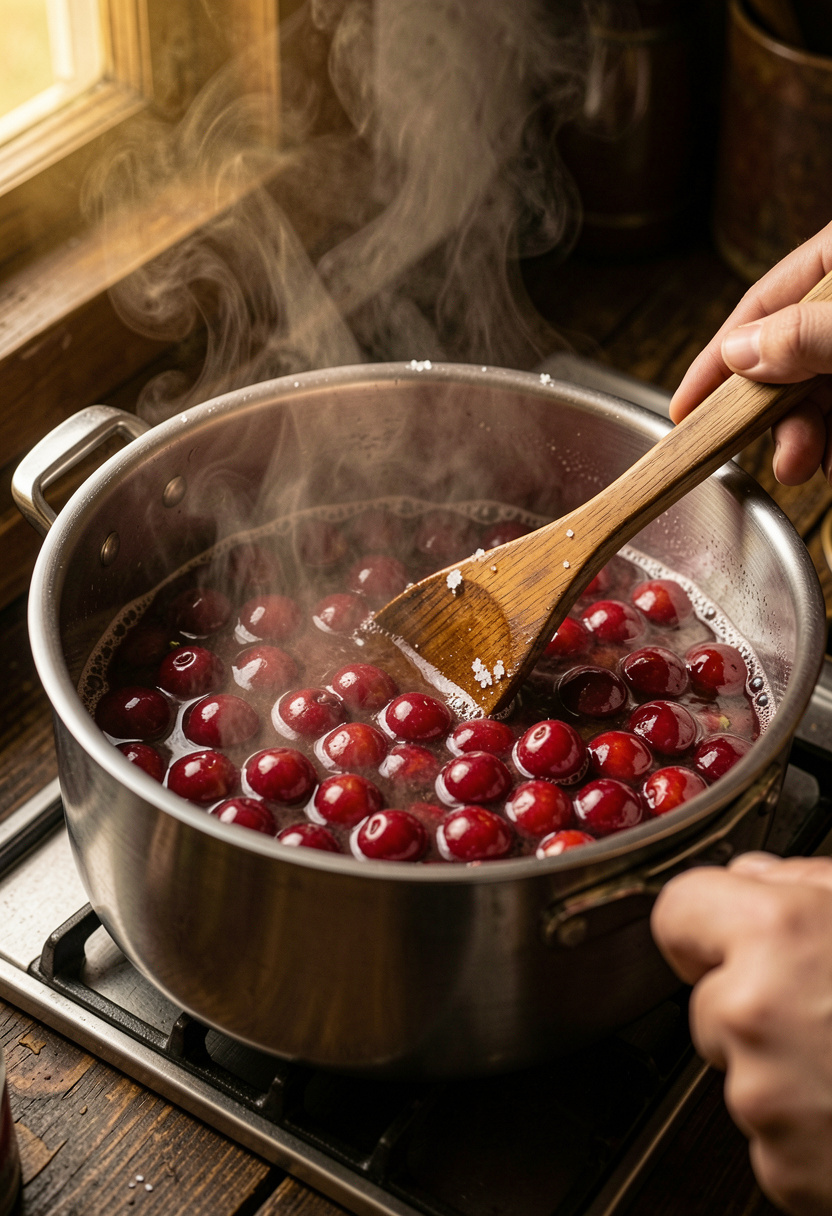

Choosing the right thickener is the phase where most people go wrong.
For a jewel-like filling that keeps shape in a pie, use 2 tbsp instant clear Minute tapioca 8 oz for 1.5 lb cherries. Bring the macerated cherries, juice and 1/3 cup sugar to a gentle simmer in a medium stainless saucepan over medium heat, about 6 to 8 min, then stir in the tapioca and cook 1 to 2 min until translucent.
Tapioca swells and sets as it cools, avoiding the starchy cloud that cornstarch can give when overcooked. Use a ThermoPro instant read thermometer if you want a cue, aim for a saucy 200°F.
Mistake: overcooking cornstarch-thickened filling. It goes gummy. Tapioca or a light arrowroot slurry gives a clean finish.
4. Cool, Finish With Fat and Store Properly
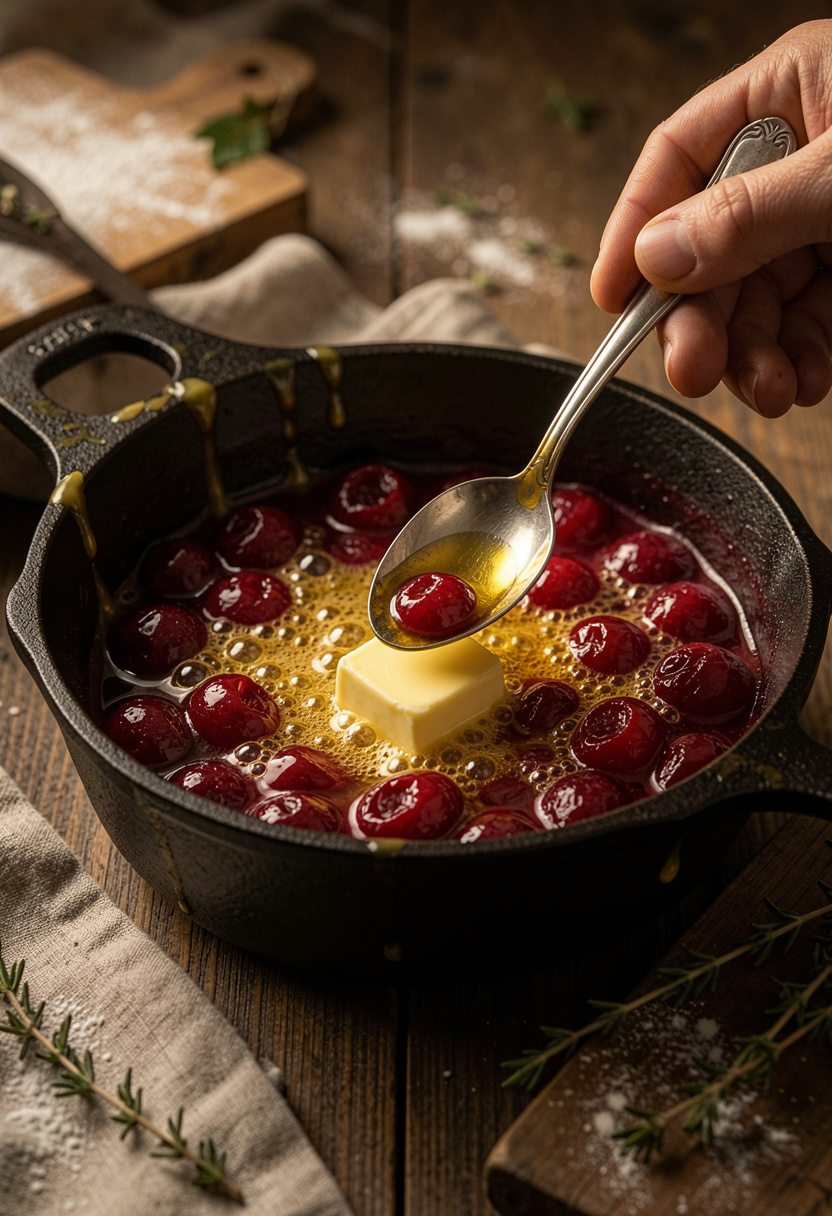

Finishing is where restaurant-quality gloss and depth happen.
Stir in 1 tbsp unsalted butter off heat for shine and mouthfeel. Add 1/4 tsp flaky Maldon sea salt to cut through sweetness.
Cool to room temp, then chill uncovered in the fridge for at least 2 hr so tapioca fully sets. If canning, ladle into hot Ball Mason jar 16 oz pack and follow hot-water-bath timing.
Mistake: sealing hot filling immediately. Trapped steam makes watery jars. Cool, skim, then jar.
Common Cooking Mistakes to Avoid
Mistake: Using cornstarch and cooking it until the mixture boils violently
Why it doesn't work: Cornstarch becomes pasty and translucent, killing fresh cherry flavor.
Do this instead: Use Minute clear tapioca 8 oz or a 1:1 arrowroot slurry for a clean set.
Mistake: Skipping maceration and dumping raw cherries into hot sugar
Why it doesn't work: You lose volatile fruit aromatics and end up with a flat, cloying filling.
Do this instead: Toss cherries with sugar and sit 20 to 30 min before cooking with a Microplane zester grater.
Mistake: Over-sweetening because canned filling set a high bar for sugar
Why it doesn't work: Too much sugar masks acidity and texture.
Do this instead: Taste after maceration and cut sugar by 10 to 20 percent; adjust with fresh lemon juice or a tablespoon of kirsch.
What You'll Need to Make This
Pantry Staples
Diamond Crystal kosher salt 3 lb box around $5 to $8
C&H granulated sugar 4 lb bag around $3 to $6
Minute clear tapioca 8 oz around $4 to $7
Specialty Ingredients
Luxardo Maraschino 375 ml around $25 to $35
McCormick almond extract 2 oz around $6 to $10
Tools That Earn Their Counter Space
Microplane zester grater around $12 to $20
ThermoPro instant read thermometer around $15 to $30
Ball Mason jar 16 oz pack around $12 to $20
Cookbooks Worth the Shelf
Salt Fat Acid Heat by Samin Nosrat (price range $18 to $28)
The Food Lab by J. Kenji Lopez-Alt (price range $18 to $30)
Budget Swaps
Store-brand granulated sugar often costs half of name brand, check Aldi or Walmart for savings
Shopping Guide for This Recipe
Pick fresh or frozen: Fresh cherries shine June to July, but frozen sweet cherries keep flavor if bought out of season. Frozen sweet cherries 16 oz around $5 to $10.
Substitution hack: Out of tapioca? Use Bob's Red Mill arrowroot 8 oz as a 1:1 swap but add at the end.
Trend pick for 2025: Home canning and low-sugar preserves are hot, so invest in quality jars like Ball Mason jar 16 oz pack around $12 to $20.
Splurge vs save: Splurge on a small bottle of Luxardo if you want depth, save on granulated sugar with store brand.
Conclusion
Start with maceration. It gives you the biggest flavor return for the least effort.
Finish with a tablespoon of butter and a pinch of flaky salt to round sweetness and add shine. A good Microplane zester grater will pay for itself when you need a bright lemon note.
Will you try the maceration-first method or go straight to a liqueur finish?