





I burned my first bread pudding. The center collapsed into a soup and I blamed the bread. That's when I read a dozen recipes, tested three ratios, and learned why custardy is a texture, not luck.
This guide shows how to make bread pudding that’s silky and set, not soggy — about 20 min active, 1 hr total, beginner-friendly. I’ll show the soak, the custard math, the bake, and the rest that seals the deal.
About 30 to 40 percent of the U.S. food supply goes uneaten (USDA/EPA), so rescuing stale bread matters. Also, custards should hit 160°F for safety (USDA), which I use as my doneness cue.
1. Soak Strategy: Evenly Hydrated, Not Waterlogged
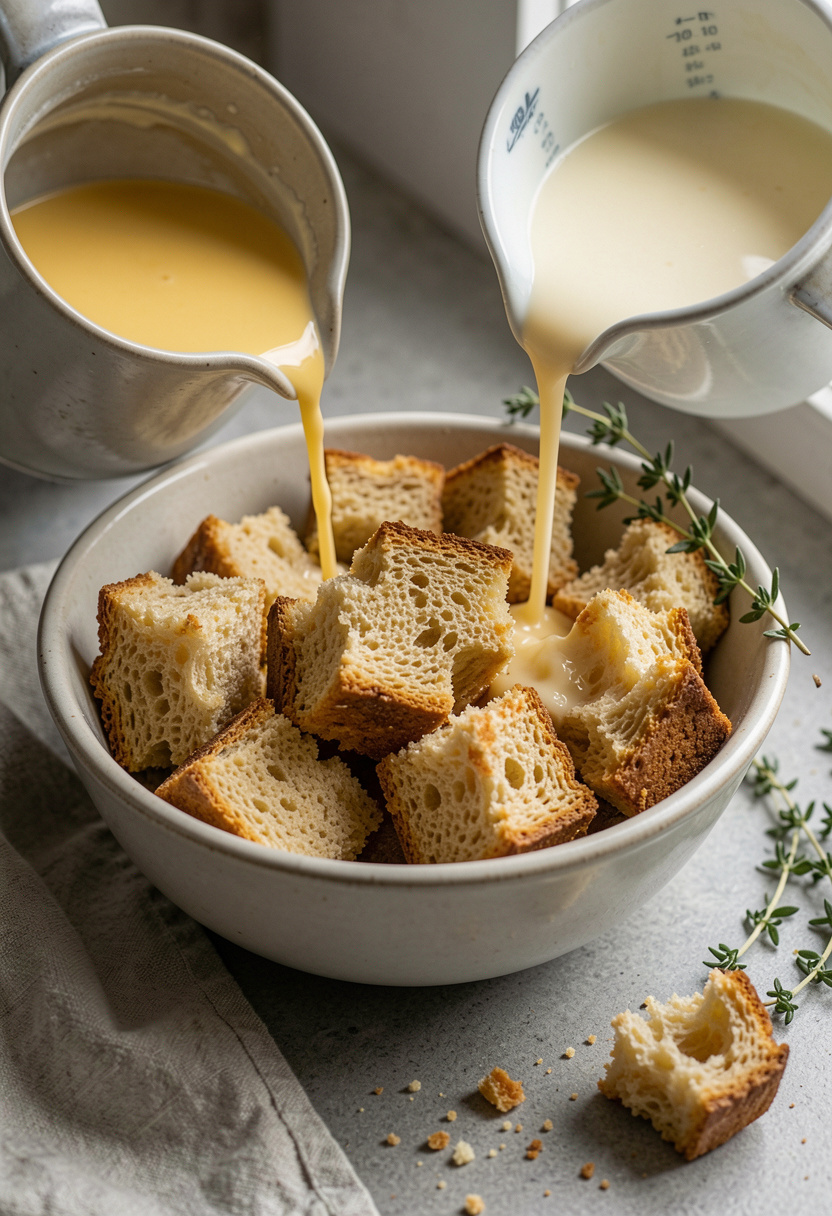

The trick is drying and portioning your bread so milk can penetrate without turning it to mush.
Tear a day-old brioche or challah into 1-inch pieces so some crust stays exposed. I like a mix of crust and soft crumb for texture. If your loaf is fresh, quick-toast the cubes 8 to 10 min at 350°F on a sheet pan to dry them out.
Pour warm custard (about 2 parts liquid to 1 part bread by volume) over the cubes and press gently. I use a Pyrex 9×13 glass baking dish to weigh with foil and a smaller pan on top for even soak.
Mistake here: pouring boiling custard on bread. It collapses the crumb and cooks the eggs unevenly. Warm, not hot, custard lets the bread absorb slowly and keeps pockets of custard that set silky.
2. Custard Ratio and Gentle Heat: Silky, Not Rubber
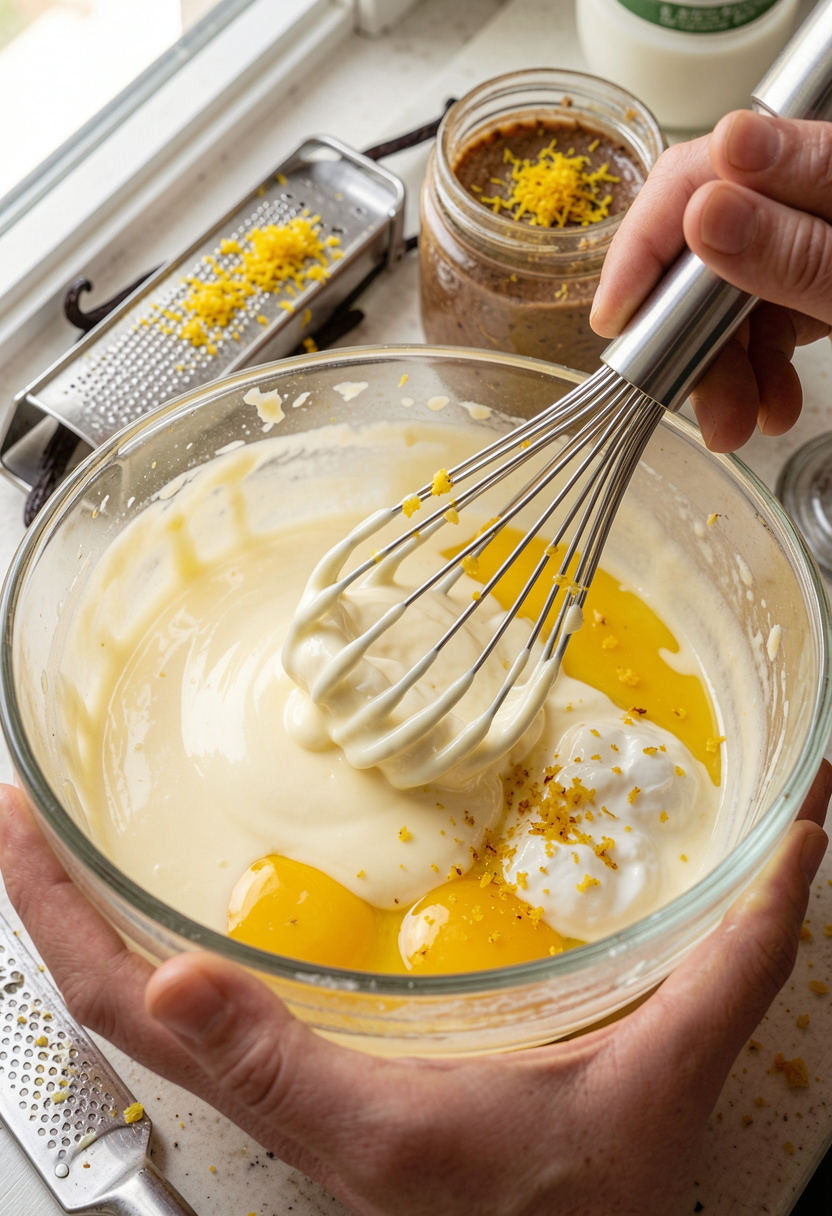

The custard math matters. Use 2 large eggs per cup of dairy plus sugar for richness without rubberiness.
My go-to: 3 cups whole milk plus 1 cup heavy cream, 3 large eggs, 3/4 cup sugar, 1 tsp Nielsen-Massey vanilla bean paste. Heat the milk and half the sugar to just under simmer, temper into the eggs, and bring gently to 160°F total to coagulate proteins without curdling. An instant-read thermometer is worth it here.
The principle is protein coagulation. Too-hot equals tight curd, too-cold means runny center. Whisk gently; no frothy foam.
Common error: swapping all cream for milk. You’ll lose silk and mouthfeel. Keep a mix so the custard sets tenderly.
3. Smart Baking: Low, Slow, and the Water Bath
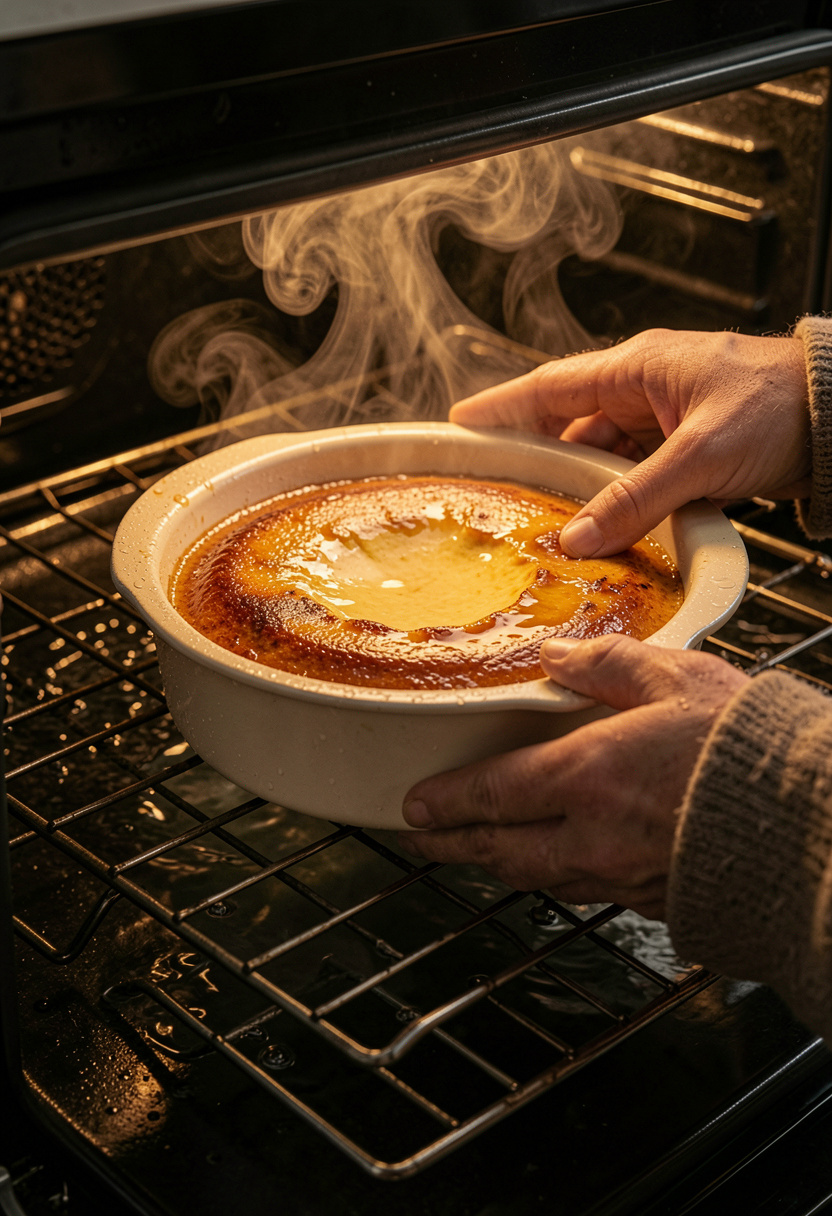

I always bake bread pudding in a bain-marie for even heat and a tender edge.
Set your filled 9×13 or 8×8 dish inside a larger roasting pan. Pour hot (not boiling) water to come halfway up the sides. Bake at 325°F for 35 to 45 min. It’s done when the center registers 160°F and the edges are set but the middle still quivers slightly.
The water bath moderates oven heat, preventing the top from drying while the center cooks. If you skip it, expect a dry crust with a raw middle.
Don’t overbake to hide juice. Pull it at the wobble stage; residual heat carries it to perfect set.
4. Rest and Finish: Firming Without Weeping
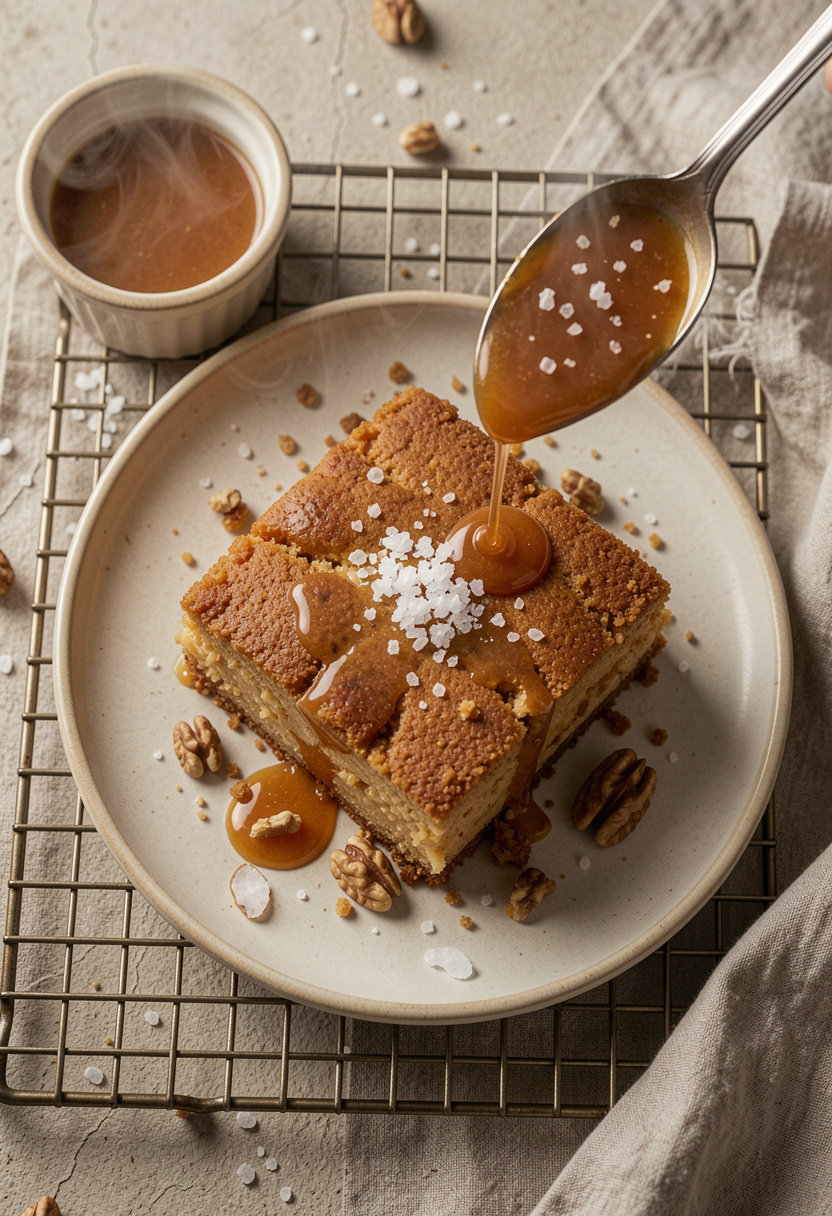

Resting is where shave-thin margins become reliable results.
Let the pudding cool 20 to 30 min on a wire cooling rack so steam can escape. It firms as it cools and stops weeping sugary liquid.
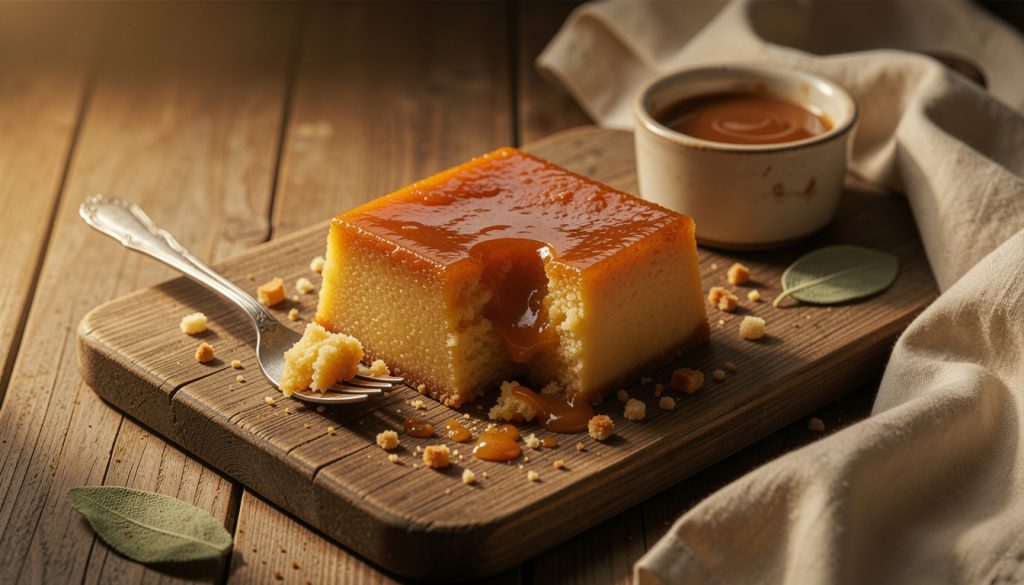
Finish with a sprinkle of Maldon flaky sea salt and warm caramel or bourbon sauce. If you want it chilled, refrigerate 2 hrs; the texture tightens but remains custardy.
Ugly truth: quick slices straight from the oven will collapse and weep. Patience yields that spoonable, silk-with-structure texture you want.
Common Cooking Mistakes to Avoid
Mistake: Using all fresh, soft bread
Why it doesn't work: Soft crumb soaks to porridge.
Do this instead: Use day-old brioche or toast fresh cubes 8 to 10 min or grab a brioche loaf.
Mistake: Skipping the water bath
Why it doesn't work: Edges overcook, center stays raw.
Do this instead: Bake in a roasting pan with hot water and an instant-read thermometer.
Mistake: Pouring boiling custard onto bread
Why it doesn't work: Cooks eggs in spots, produces curd.
Do this instead: Temper warm milk into eggs and pour at under 140°F; use a stainless steel whisk 10 inch.
What You'll Need to Make This
Pantry Staples
Diamond Crystal kosher salt 3 lb box around $5 to $8
Granulated sugar 4 lb bag around $3 to $6
Specialty Ingredients
Brioche loaf around $4 to $8
Nielsen-Massey vanilla bean paste approx $10 to $16
Maldon flaky sea salt around $8 to $14
Tools That Earn Their Counter Space
Pyrex 9×13 glass baking dish approx $12 to $20
Wire cooling rack around $8 to $15
Instant-read thermometer approx $15 to $40
Cookbooks Worth the Shelf
Salt Fat Acid Heat by Samin Nosrat (price range $18 to $28)
The Food Lab by J. Kenji Lopez-Alt (price range $18 to $35)
Budget Swaps
Whole milk 1 quart cheaper at local grocer for freshness
Heavy cream pint swap for half-and-half plus butter in a pinch
Shopping Guide for This Recipe
Choose day-old bread: Baker’s challah or brioche loaf gives the best texture; buy earlier in the day.
Vanilla matters: Use Nielsen-Massey vanilla bean paste for specked depth; around $10 to $16.
Splurge vs save: Splurge on good cream; save on granulated sugar from the supermarket bulk bin.
2025 trend tip: Single-origin vanilla and brown butter finishes are showing up on menus; try Maldon flaky sea salt with browned-butter caramel, around $8 to $14.
Substitution hack: No cream? Use whole milk plus 2 tbsp unsalted butter per cup of missing cream.
Conclusion
Start with the soak; it determines whether you get custard pockets or a soggy slab. Heat gently, bake in a water bath to 160°F, and rest long enough to stop the weep.
One last tip: a flaky salt finish and warm caramel sharpen the sweet-silk contrast.
Will you try the toasted-cube method or the straight-up stale-loaf rescue first?