




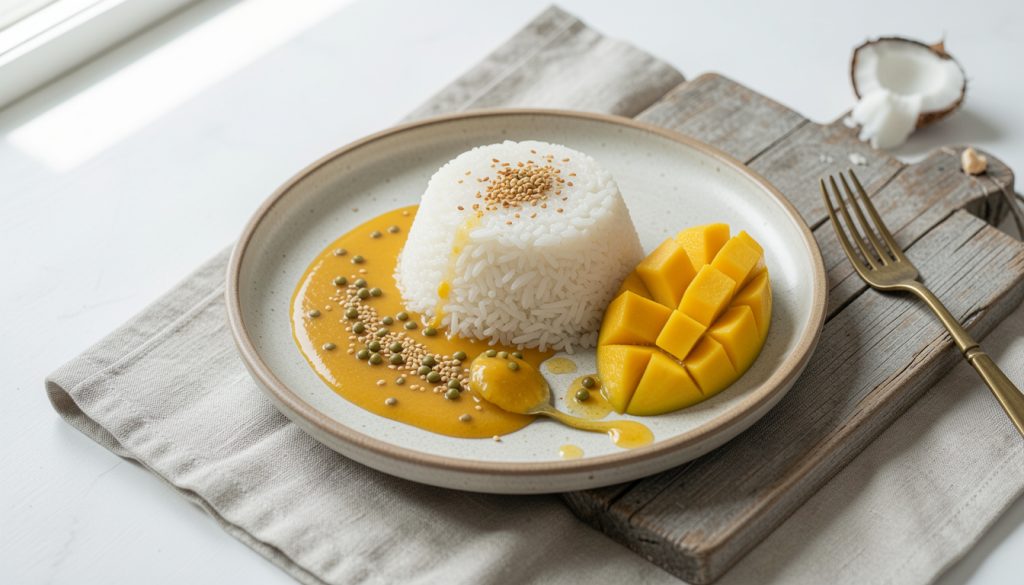

I burned a batch of sticky rice the first time I tried how to make mango sticky rice dessert. The rice was gluey, the mangoes tasted muted, and my guests politely chewed.
Then I figured out why texture always fails: starch chemistry and timing. This guide fixes that in about 4 hr total (mostly soaking), with 30 min active hands-on time, beginner-friendly, and one awkward step you will learn to love.
The dish is Thai street-food sweet, with creamy coconut, bright mango, and a tender, slightly chewy rice base. Expect a weeknight-easy version and a slightly more careful steamed method for weekend company.
I've noticed people in 2025 leaning into heritage grains and authentic regional desserts, and mango sticky rice fits right in.
1. Soak, Rinse, and Pre-Measure for Perfect Grain Texture
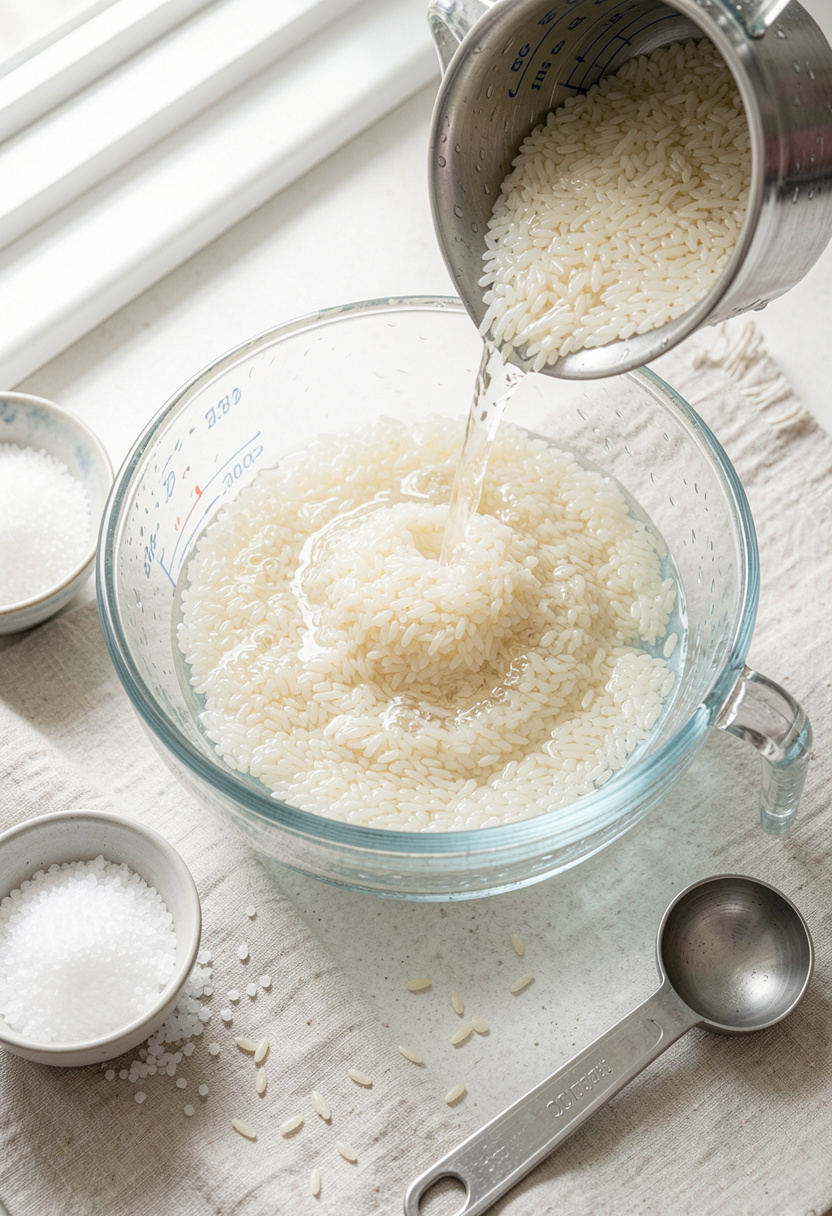

Start here because starch control makes or breaks the bite. Glutinous rice is nearly all amylopectin, which sticks when hydrated, so rinse until the water runs clear to remove excess surface starch.
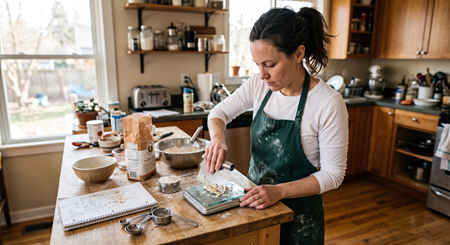
Measure precisely. I use Thai glutinous rice 5 lb and a digital kitchen scale for consistent results. Ratio: 1 cup rice to 1 cup water for steaming after a 4 hr soak or overnight.
The principle is hydration without oversaturation. Soak 4 hr at room temp or overnight in the fridge. Rinsing prevents surface gumming and gives separated grains with a tender chew. Mistake people make: skipping rinses and blaming the rice. Do this instead: rinse, rest, and drain on a fine sieve or cheesecloth to keep grains airy.
2. Steam, Not Boil, for Non-Mushy Rice
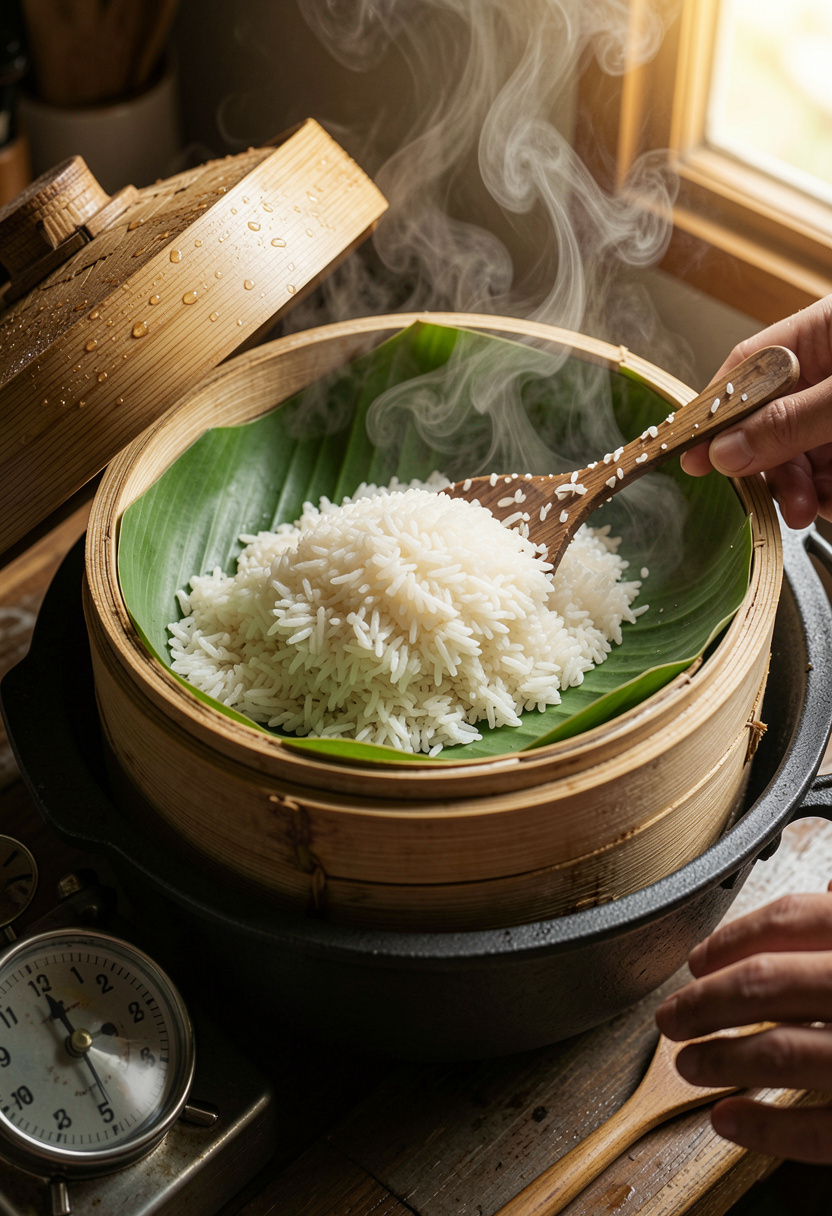

The direct error I kept making was boiling my rice like long-grain rice. That produces gummy, clumped rice. Instead, steam the soaked, drained rice on a lined bamboo steamer 10 inch or in a Zojirushi Neuro Fuzzy rice cooker on the “sweet rice” program.
Steam 20 to 25 min over a simmer, then fluff and check. The cue: grains should be translucent at the edges and tender with a slight bounce when pressed between thumb and forefinger. The cooking principle is gentle heat moving through steam, which sets the amylopectin without collapsing grain structure.
Common mistake: turning the lid too often. Lift once at 15 min to check. If grains look dry, sprinkle 1 tbsp warm water and continue 5 to 10 min.
3. Build the Coconut Sauce: Balance Fat, Sweet, and Salt
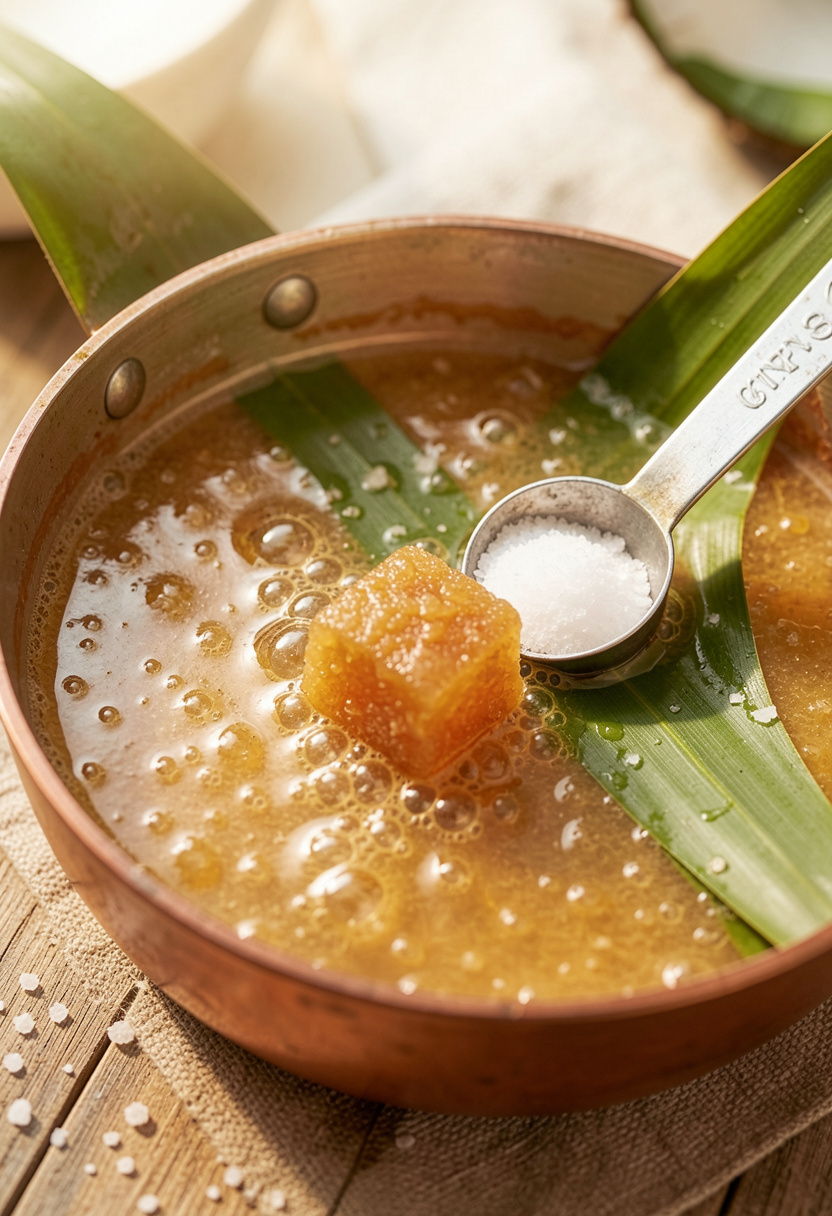

This is where brightness meets richness. Use full-fat coconut milk for silk and body. I buy Chaokoh coconut milk 13.5 oz and heat gently with 1/3 cup palm sugar and a pinch of salt.
Ratio for sauce that soaks but does not drown the rice: 1 can (13.5 oz) coconut milk + 1/3 cup palm sugar + 1/4 tsp fine salt, simmer 6 to 8 min until slightly thickened. Add a pandan leaf or a small pinch of vanilla for perfume.
The principle is emulsification and osmosis. Salt and sugar pull into the warm rice and season it evenly. Mistake: pouring boiling sauce onto cold rice. Cool sauce 5 min so it warms the rice without turning it gluey.
4. Mango, Toast, Rest, and Serve for Clean Flavors
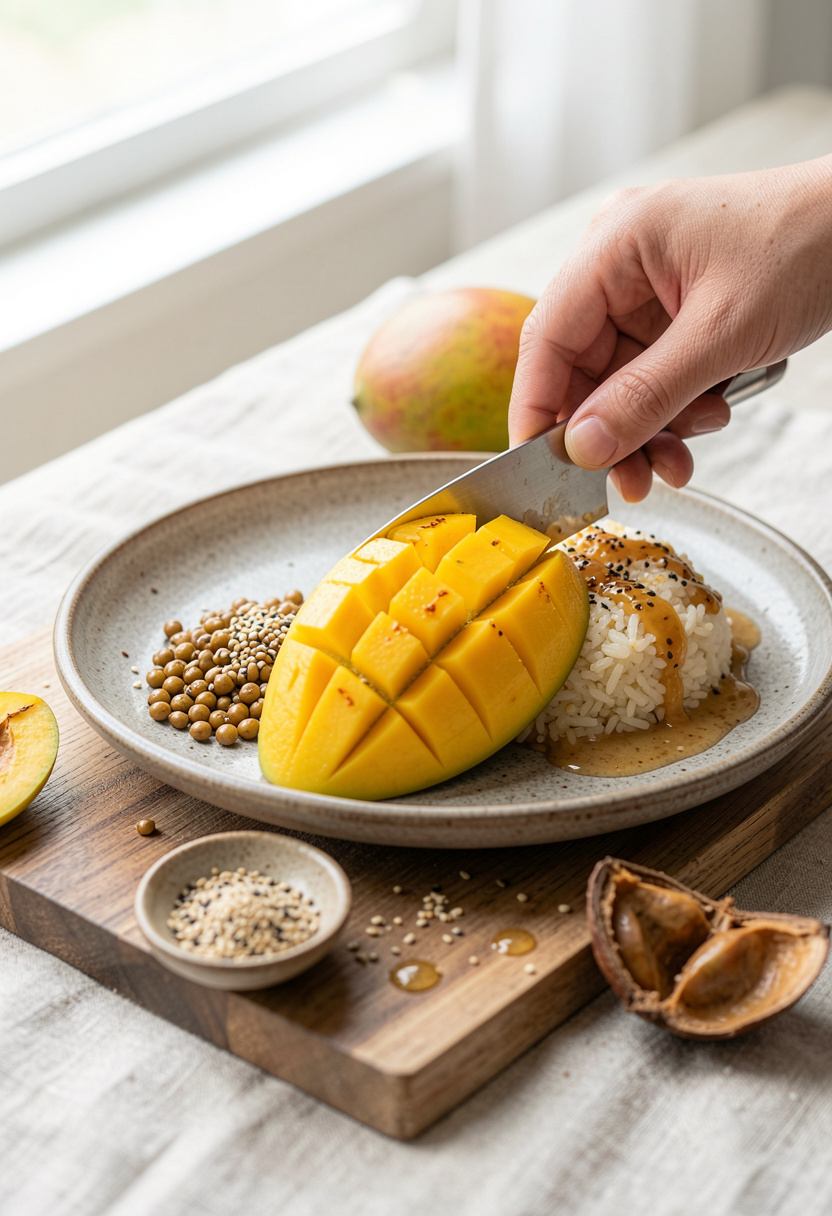

Choose mangoes that are fragrant and slightly soft to the touch. When Ataulfo are in season I grab them at the farmers market; off-season, frozen mango chunks work fine (frozen mango 2 lb).
To serve: spoon 3/4 cup warm rice on the plate, drizzle 2 to 3 tbsp coconut sauce, top with mango slices, and scatter toasted mung beans or sesame for crunch. Let rice rest 3 to 5 min so the sauce absorbs and the texture sets.
People often overload on sauce. The result should be balanced: glossy rice, bright mango, and a little crunch. For a final lift, grate a tiny bit of lime zest over the top.
Common Cooking Mistakes to Avoid
Mistake: Using long-grain rice instead of glutinous rice
Why it doesn't work: Long-grain lacks the amylopectin that gives sticky rice its chew.
Do this instead: Use Thai glutinous rice 5 lb and follow the soak-steam method.
Mistake: Boiling rice like regular rice
Why it doesn't work: Boiling agitates grains and releases too much surface starch, causing gumminess.
Do this instead: Steam in a lined bamboo steamer 10 inch for 20 to 25 min.
Mistake: Pouring piping-hot coconut sauce over hot rice immediately
Why it doesn't work: Too-hot sauce can over-hydrate and collapse grain texture.
Do this instead: Cool sauce 5 min and spoon it in layers, or warm rice and sauce to similar temperatures.
What You'll Need to Make This
Pantry Staples
Thai glutinous rice 5 lb around $8 to $15
Chaokoh coconut milk 13.5 oz around $1 to $3
Palm sugar 200 g around $4 to $8
Specialty Ingredients
Ataulfo mango (fresh in season) varies by season $1 to $4 each
Frozen mango chunks 2 lb around $8 to $12
Pandan leaves (fresh or frozen) around $3 to $6
Tools That Earn Their Counter Space
Bamboo steamer 10 inch approx $12 to $25
Digital kitchen scale around $15 to $35
Cheesecloth 12 inch pack around $6 to $12
Cookbooks Worth the Shelf
Thai Food by David Thompson (price range $20 to $40)
Salt Fat Acid Heat by Samin Nosrat (price range $18 to $28)
Budget Swaps
Frozen mango instead of fresh Ataulfo around $8 to $12 (Aldi often has cheaper frozen mango)
Shopping Guide for This Recipe
Pick the ripest mango you can smell: Aroma matters. If buying Ataulfo, expect $1 to $4 each (Ataulfo mango search).
Buy real glutinous rice, not sticky rice blends: Check labels for "glutinous" or "sweet rice" (Thai glutinous rice 5 lb around $8 to $15).
Substitution hack: Out of fresh mango? Use frozen mango chunks 2 lb for steady sweetness.
Splurge vs save: Spend on authentic rice and coconut milk; use a basic bamboo steamer 10 inch instead of an expensive gadget.
Conclusion
Start with the soak and steam—it gives the biggest texture payoff for the least fuss. The key principle is controlled hydration: rinse, soak, and steam so grains set tender without collapsing.
If you try only one tool, get a bamboo steamer 10 inch and a good coconut milk.
Will you try the soak-and-steam method first or test the rice-cooker shortcut?