
I baked a dozen blueberry muffins and they were perfect on day one, then oddly mealy on day two. I wanted muffins that stayed soft after day two, not a comeback-from-the-microwave trick.
This guide shows how to make breakfast muffins that stay soft after day two, with practical swaps, exact temps, and storage that actually works. Expect about 20 min hands-on, beginner-friendly, with one small technique that makes the biggest difference.
My kitchen leans toward bright, New England brunch flavors. Think tender crumb, restrained sugar, and pockets of fruit or spice that keep the muffin lively. These muffins are weeknight-friendly and scale up for brunch batches.
I’ve noticed bakers in 2025 are leaning into oat blends and brown-butter finishes. That matches my tests: a bit of oat flour and a swap to oil for part of the fat keeps crumb soft longer.
1. Choose Flours and Fats for Lasting Softness

Start here because your flour and fat choices set crumb structure and how quickly starches firm up.
Use mostly unbleached all-purpose flour for structure and up to 25 percent oat or almond flour to reduce chew. I reach for King Arthur Unbleached All-Purpose Flour 5 lb and often add Bob's Red Mill Oat Flour 16 oz when I want a plus for softness.
Fat matters. Replace half the butter with neutral oil (canola or light olive oil) for longer softness because oil stays liquid at fridge temps and slows recrystallization of starch. Finish with a sprinkle of flaky salt; I use Diamond Crystal kosher salt 3 lb box for texture.
Why it works: lower-protein flour plus oil gives a looser gluten matrix and less retrogradation. Mistake people make: using only low-fat swaps like applesauce. That dries the crumb. Do this instead: keep some butter for flavor and add oil for moisture.
2. Build Moisture: Yogurt, Sugars, and a Little Extra Liquid
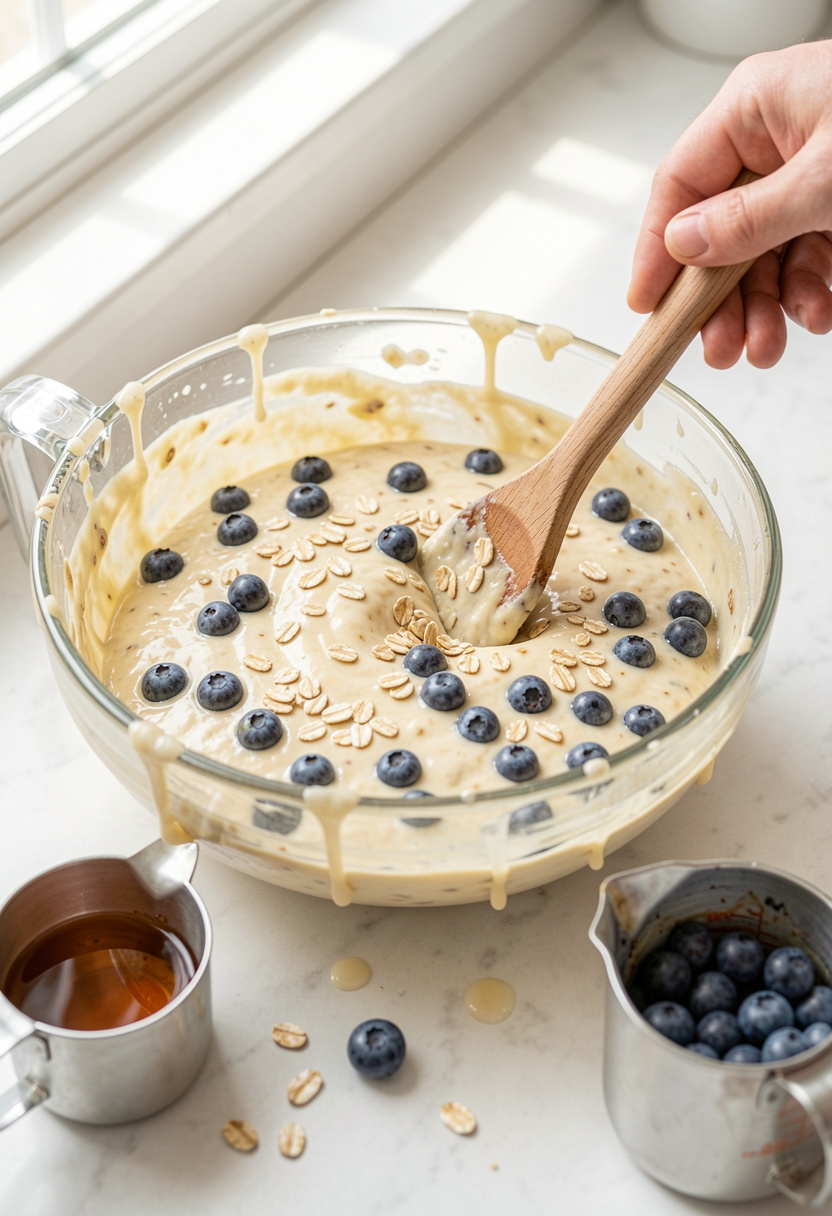
This is the stage where you trap moisture for days. I use a combo of full-fat Greek yogurt (or sour cream) plus a little maple syrup or brown sugar to keep crumb tender and hygroscopic.
If you prefer pantry-stable options, include a spoon of nonfat dry milk powder to improve browning and keep texture. For sweetener, a little Pure maple syrup 8.45 oz or light brown sugar works well.
The principle: dairy proteins and sugars hold water and slow staling. Mistake: swapping all sugar for low-calorie sweeteners. That often yields a dry, crumbly muffin. Do instead: keep a portion of real sugar and use yogurt for moisture and flavor.
3. Gentle Mixing and Batter Temperature Control

Overmixing builds gluten and yields a tight crumb that dries faster. Mix dry and wet separately, then fold until streaks disappear. I stop when the batter shows a few streaks but is mostly homogenous.
Keep batter cool. If your kitchen is warm, chill the wet ingredients 10 min before combining. Cooler batter traps more air and slows overdevelopment.
Tools that help: a good OXO rubber spatula 12 inch and an accurate kitchen scale. Mistake: using a whisk like a blender; it incorporates too much air then collapses. Do instead: fold gently and use a spoon to portion batter into liners.
4. Bake, Steam, Cool, and Store for Multi-Day Softness

Temperature is key. Start at 425°F for 4 to 5 min to get quick oven spring and set the crust, then drop to 350°F for 12 to 15 min. That gives a thin, golden crust and a tender inside (check with a toothpick that comes out with a few moist crumbs).
Add a tray of hot water on the lower rack for a touch of steam during the first 5 min to keep tops soft. Use a reliable USA Pan 12-Cup Muffin Pan and confirm oven temp with a CDN Oven Thermometer.
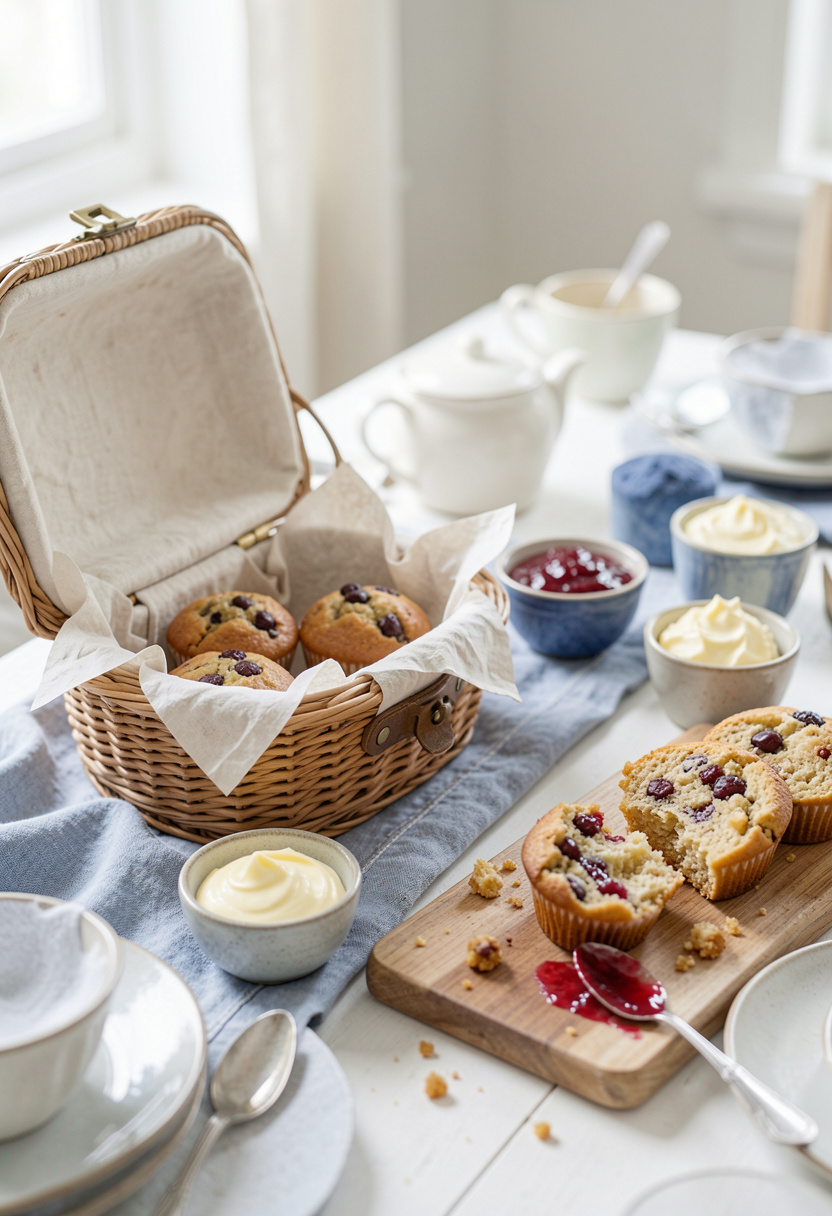
Cool five minutes in the pan, then transfer to a wire rack. For storage: wrap cooled muffins in parchment and place in an airtight glass container 3.2 qt with a slice of apple or a damp paper towel to retain humidity. Mistake: sealing hot muffins. That traps steam and makes soggy tops. Cool fully first.
Common Cooking Mistakes to Avoid
Mistake: Overmixing batter until smooth
Why it doesn't work: Builds gluten and leads to drier crumb.
Do this instead: Fold gently with an OXO rubber spatula 12 inch.
Mistake: Baking at one high temperature the whole time
Why it doesn't work: Tops brown too fast while centers stay underdone.
Do this instead: Blast at 425°F for 4 to 5 min, then lower to 350°F.
Mistake: Storing warm muffins in a sealed bag
Why it doesn't work: Condensation makes them soggy, then stale fast.
Do this instead: Cool on a rack then store in Mason jars 16 oz set or an airtight glass container 3.2 qt.
What You'll Need to Make This
Pantry Staples
King Arthur Unbleached All-Purpose Flour 5 lb around $8 to $12
Diamond Crystal kosher salt 3 lb box around $5 to $8
C&H Light Brown Sugar 2 lb around $4 to $7
Specialty Ingredients
Bob's Red Mill Oat Flour 16 oz around $7 to $10
Bob's Red Mill Almond Flour 16 oz around $9 to $14
McCormick Pure Vanilla Extract 2 oz around $6 to $12
Tools That Earn Their Counter Space
USA Pan 12-Cup Muffin Pan approx $15 to $30
Silicone muffin liners set around $8 to $15
CDN Oven Thermometer approx $8 to $15
Cookbooks Worth the Shelf
Baking: From My Home to Yours by Dorie Greenspan (price range $18 to $35)
The Food Lab by J. Kenji L?pez-Alt (price range $18 to $30)
Budget Swaps
Kitchen scale digital around $10 to $25 (Aldi has decent scales)
Parchment paper rounds for muffins around $6 to $12
Shopping Guide for This Recipe
Choose flour carefully: Use unbleached all-purpose and add oat or almond flour for tenderness; King Arthur flour 5 lb around $8 to $12.
Substitution hack: No yogurt? Use 2 tbsp sour cream or 1 tbsp dry milk plus 1 tbsp extra oil; Bob's Red Mill nonfat dry milk around $6 to $12.
2025 trend note: Oat blends are in; try 15 to 25 percent oat flour for a softer shelf life; Bob's Red Mill Oat Flour 16 oz around $7 to $10.
Splurge vs save: Spend on a reliable muffin pan and oven thermometer; save on silicone liners or parchment.
Conclusion
Start by dialing in flour and fat choice; that single swap to part-oil is where most gain softness after day two.
A final tip: keep cooled muffins in an airtight container with a thin apple slice or a folded damp paper towel for 24 hours to maintain humidity and delay starch firming.
Will you try the oat-flour swap first or bake one batch with oil and one with butter to compare?