
My first batch of "make-ahead" muffins turned into hockey pucks by day two. I was determined to fix that.
This guide on how to make breakfast muffins shows you exactly which ingredients, oven moves, and storage hacks keep muffins soft through day three. Expect beginner-friendly steps, a couple of small tricks that feel fancy, and results you can taste in 45 min total.
King Arthur Baking Company notes quick breads begin to stale from moisture migration within 24 to 48 hours, and America's Test Kitchen recommends adding yogurt or sour cream to lock in tenderness. Those two facts shaped everything I tested.
1. Build A Tender Batter: Flour, Acid, and Protein Control
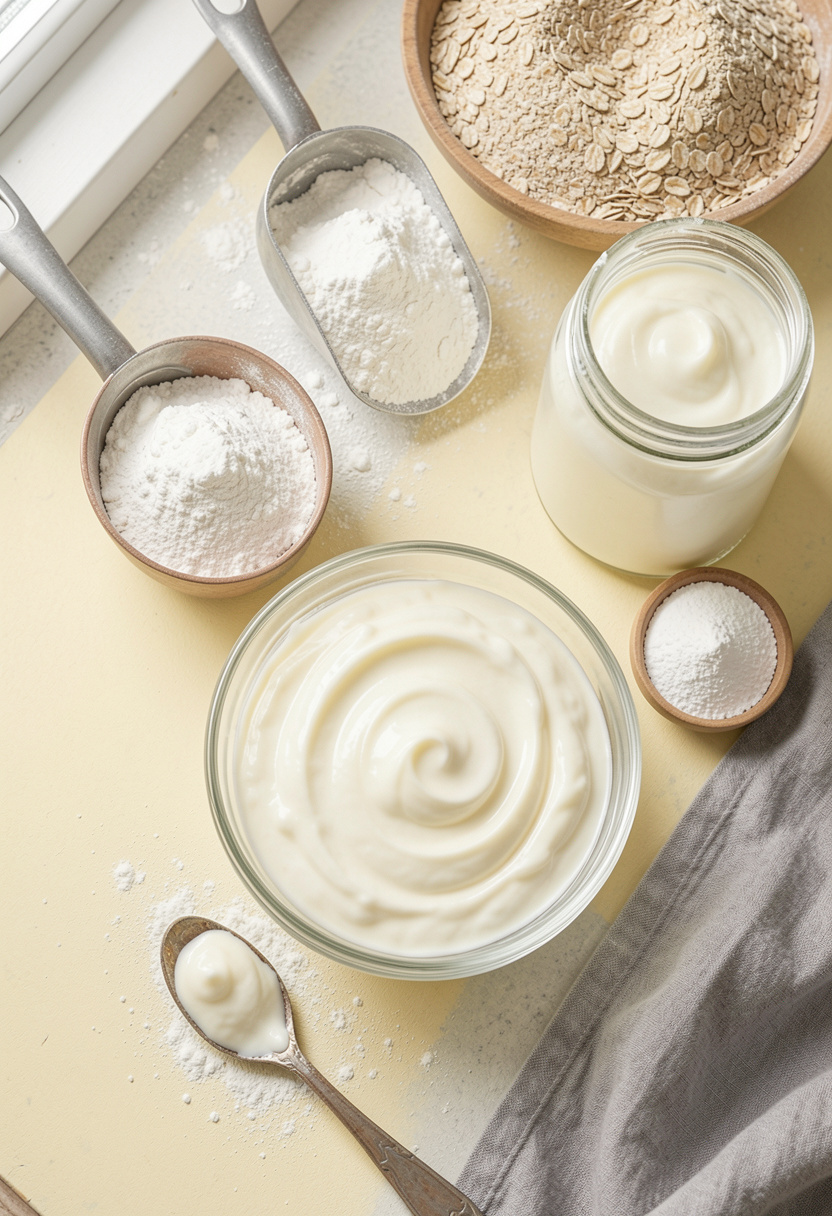
Start by weakening gluten and adding a tenderizer. Use a higher ratio of cake flour or add 2 tbsp oat flour per cup of AP flour to cut gluten.
A 1:1 swap for part of your flour with cake flour helps. I like King Arthur cake flour 2 lb for consistent results and Bob's Red Mill oat flour 16 oz when I want a heartier crumb.
Add a small acid and protein like 1/2 cup plain yogurt or 1/3 cup sour cream per batch. The acid slightly breaks down gluten and keeps the crumb moist. Use a kitchen scale so you do not over-measure; an Escali Primo digital scale saves guesswork.
Mistake people make: over-mixing. Stir just until streaks disappear. Too much mixing develops gluten and yields a dense, dry muffin.
2. Sugar, Fat, and the Sweet Science of Moisture Retention
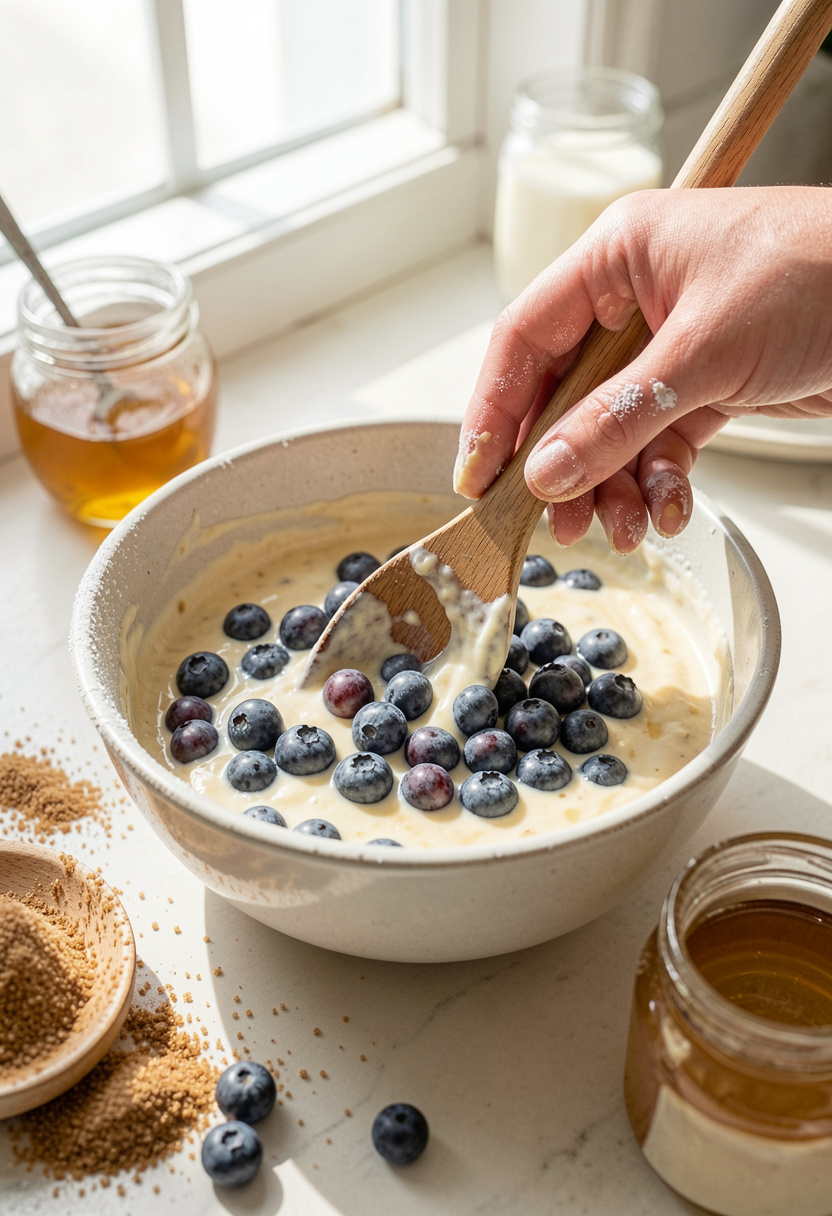
The right sweetener mix matters. I use mostly brown sugar for its molasses content and a tablespoon of honey or light corn syrup to act as an invert sugar that holds moisture longer.
Try Domino light brown sugar 2 lb and a spoon of Local raw honey or Karo light corn syrup 12 oz.
For fat, oil-based muffins stay softer longer than butter ones. Use neutral oil like Wesson vegetable oil 48 oz or a light olive oil.
Technique principle: sugar and humectants bind water and slow starch retrogradation, the main cause of staling. Mistake: swapping all oil for butter because it seems fancier. Butter gives flavor but dries faster.
3. Oven Strategy: Blast Then Settle For A Tender Crumb
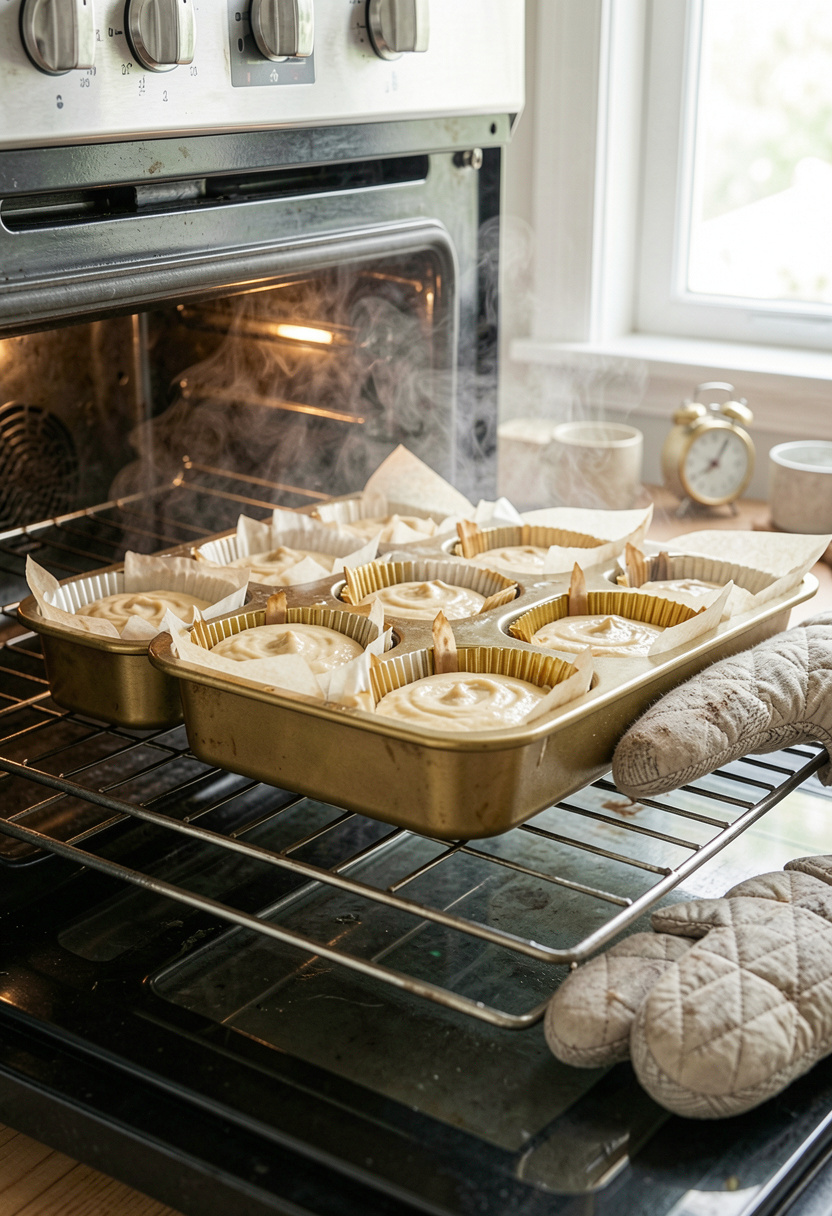
A quick high-heat blast sets the dome, then a lower bake finishes the crumb without overbrowning. Preheat to 425°F and bake for 5 min, then drop to 350°F and bake another 12 to 15 min until edges are golden and a toothpick shows moist crumbs.
Use a reliable muffin pan and liners for even color. I use the OXO 12 Cup nonstick muffin pan and Wilton paper liners 75 count.
Principle at play: Maillard reaction for crust while internal steam sets structure. Mistake: baking at low temp the whole time. You get flat muffins with a dry interior.
4. Rest, Store, and Revive: Keep Softness Longer
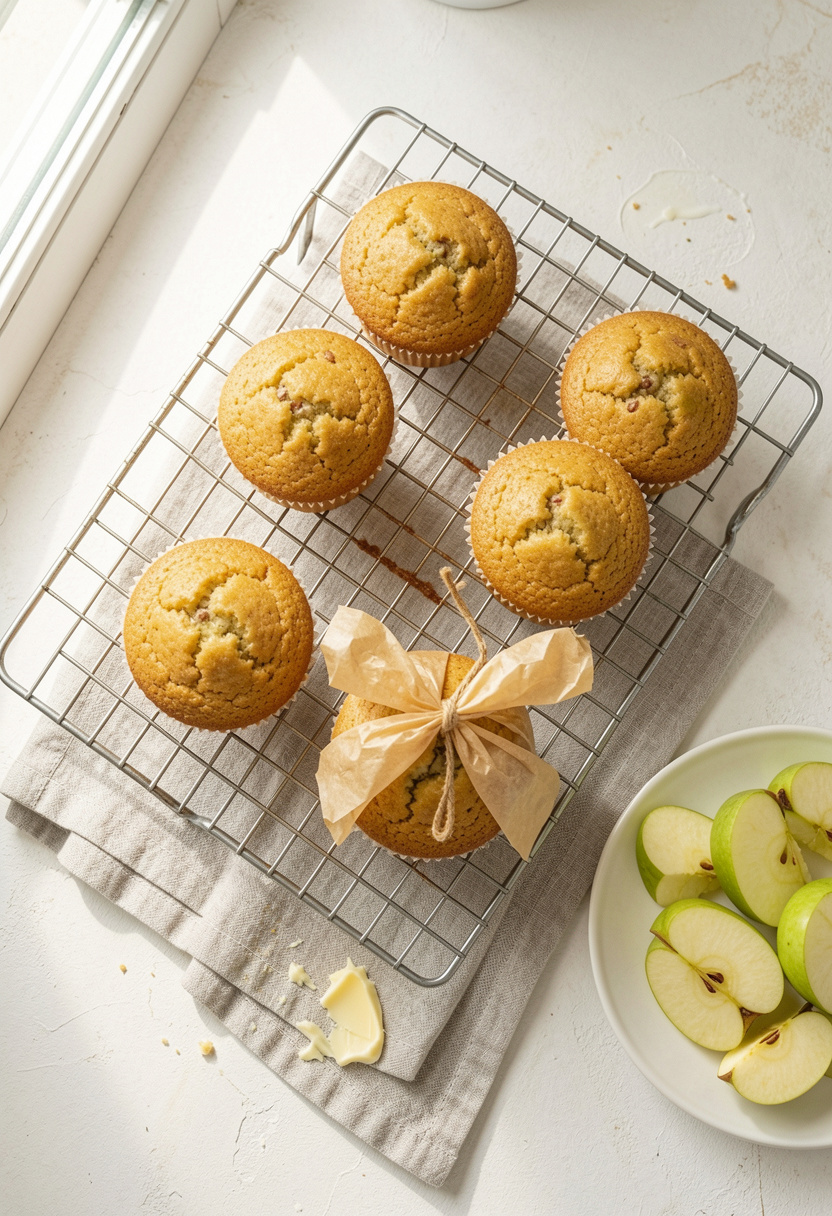
Cool on a wire rack 10 to 15 min then wrap warm in parchment and a light layer of plastic wrap to lock humidity. For day-two softness, store in an airtight container with a slice of apple or a damp paper towel tucked beneath a loose lid for 24 hours.
I keep extras in a Stasher silicone bag sandwich size for freezing. Reheat gently at 300°F for 6 to 8 min or zap 15 to 20 sec in the microwave wrapped in a damp paper towel.
Mistake: leaving muffins uncovered in the fridge. That speeds moisture loss and leads to a stale crumb.
Common Cooking Mistakes to Avoid
Mistake: Overfilling muffin cups
Why it doesn't work: Tops over-bake while centers stay wet.
Do this instead: Fill cups 2/3 full and use a 1.5 tablespoon cookie scoop for uniformity.
Mistake: Using only AP flour and extra mixing
Why it doesn't work: Gluten over-develops, causing toughness.
Do this instead: Replace part with cake flour and fold gently.
Mistake: Storing muffins in the refrigerator uncovered
Why it doesn't work: Cold air dries them via moisture migration.
Do this instead: Use an OXO airtight container 8 cup at room temp for 48 hours.
What You'll Need to Make This
Pantry Staples
Diamond Crystal kosher salt 3 lb box around $5 to $8
Domino light brown sugar 2 lb around $3 to $6
Wesson vegetable oil 48 oz around $5 to $9
Specialty Ingredients
Bob's Red Mill oat flour 16 oz around $6 to $10
Local raw honey 12 oz around $8 to $15
Tools That Earn Their Counter Space
Escali Primo digital scale approx $20 to $35
OXO 12 Cup nonstick muffin pan approx $15 to $30
Wilton paper liners 75 count around $6 to $12
Cookbooks Worth the Shelf
Bakewise by Shirley O. Corriher (price range $12 to $22)
The Food Lab by J. Kenji López-Alt (price range $15 to $28)
Budget Swaps
Great Value plain yogurt 32 oz cheaper option to Fage about $3 to $6
Shopping Guide for This Recipe
Use whole-milk yogurt for richness: full-fat keeps muffins softer longer, try Fage Total 0.9 lb approx $4 to $7.
Substitution hack: no cake flour, use AP flour + cornstarch at a 1 tbsp per cup ratio.
2025 trend pick: fermented batters and cultured dairy are still rising; try small-batch sourdough discard for tang and moisture using King Arthur Unbleached AP flour 5 lb approx $6 to $12.
Splurge vs save: splurge on a good scale like Escali Primo; save on liners with generic paper liners under $8.
Conclusion
Start with the batter build; changing flour and adding yogurt had the biggest single impact on softness in my tests.
One finishing tip: a single brush of melted oil before storage keeps paper liners from stubbornly clinging to the crumb.
Will you try the yogurt-and-oil combo first or jump to the high-heat bake trick?