




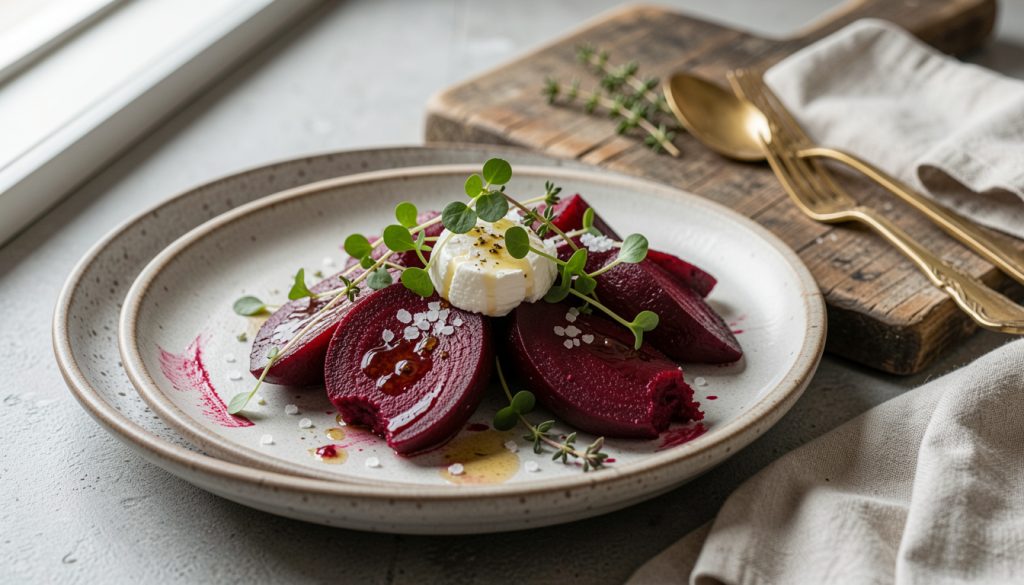

My hands were pink for two days the first time I boiled beets. I scraped stains off a wooden spoon, cursed at the sink, and swore I would never waste so much time on one root again.
This guide shows how to cook beetroot so the color stays on the beet and not on your tools, bowls, or clothes. Expect 45 to 60 min total, beginner-friendly, with one neat trick that saves cleanup.
Beetroot is earthy and sweet, and it plays well in Mediterranean and Eastern European kitchens. Cook time depends on size, but most small to medium beets roast in 45 min and steam in 30 min.
This is a weeknight-friendly technique with one party trick: roast or steam whole, then peel. I’ve noticed people are favoring fermented and preserved roots lately, which is great for using beets beyond dinner.
1. The Prep: Contain The Stain Before It Happens
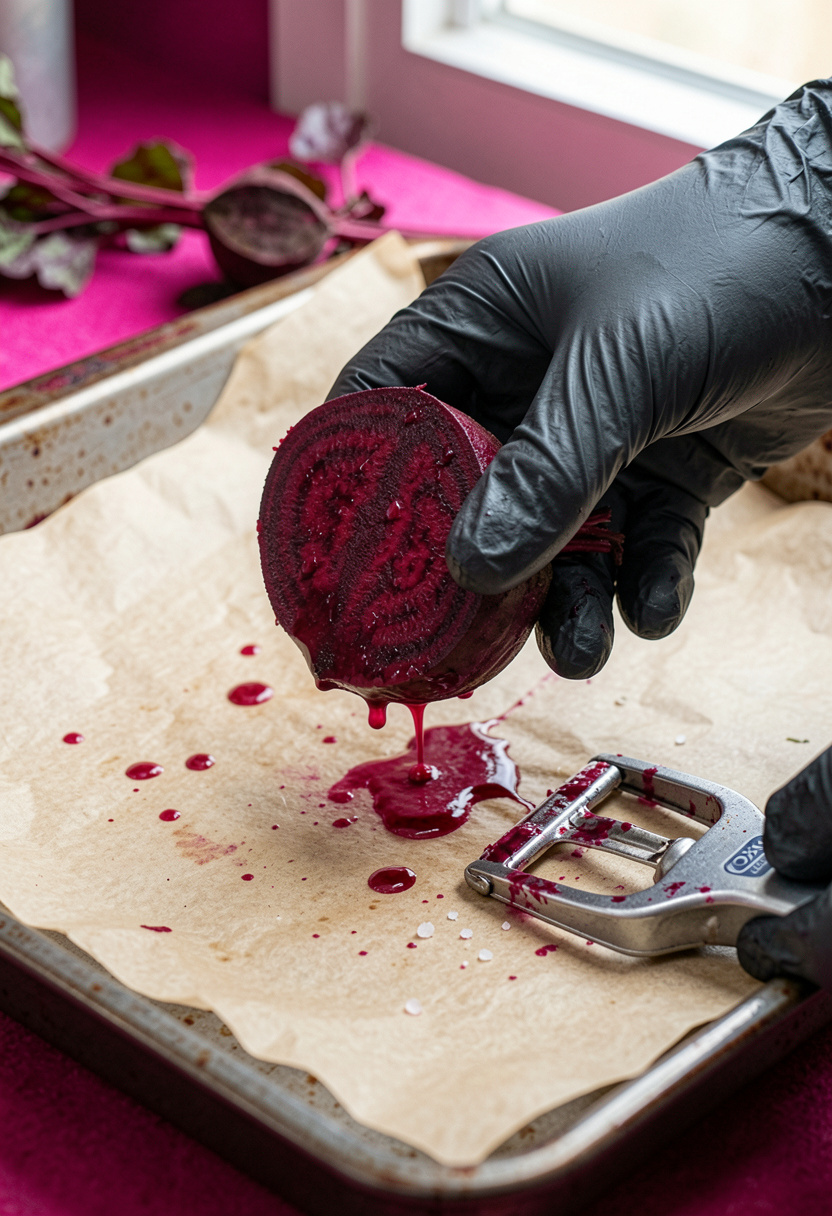

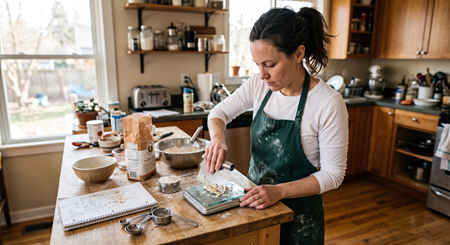
The trick is containment. Rubby beet juice stains porous wood and plastic. Put a sheet of Unbleached parchment paper half sheet on a baking tray, and keep a bowl for trims.
Gloves stop the worst of the mess. I buy a box of nitrile gloves pack for $10 to $18 and use one pair per prep.
Use a good peeler so you remove skin quickly and evenly. My go-to is the OXO Good Grips swivel peeler, about $8 to $15. A sharp peeler means less time with exposed juice.
Why this order matters: keeping juice off counters prevents secondary staining and makes the next phases cleaner. Mistake people make is peeling raw beets at the sink without protection. Instead, work on parchment or a sheet pan.
Result: far fewer stained towels and no pink soap scum to scrub later.
2. Roast Whole To Keep Color In The Beet
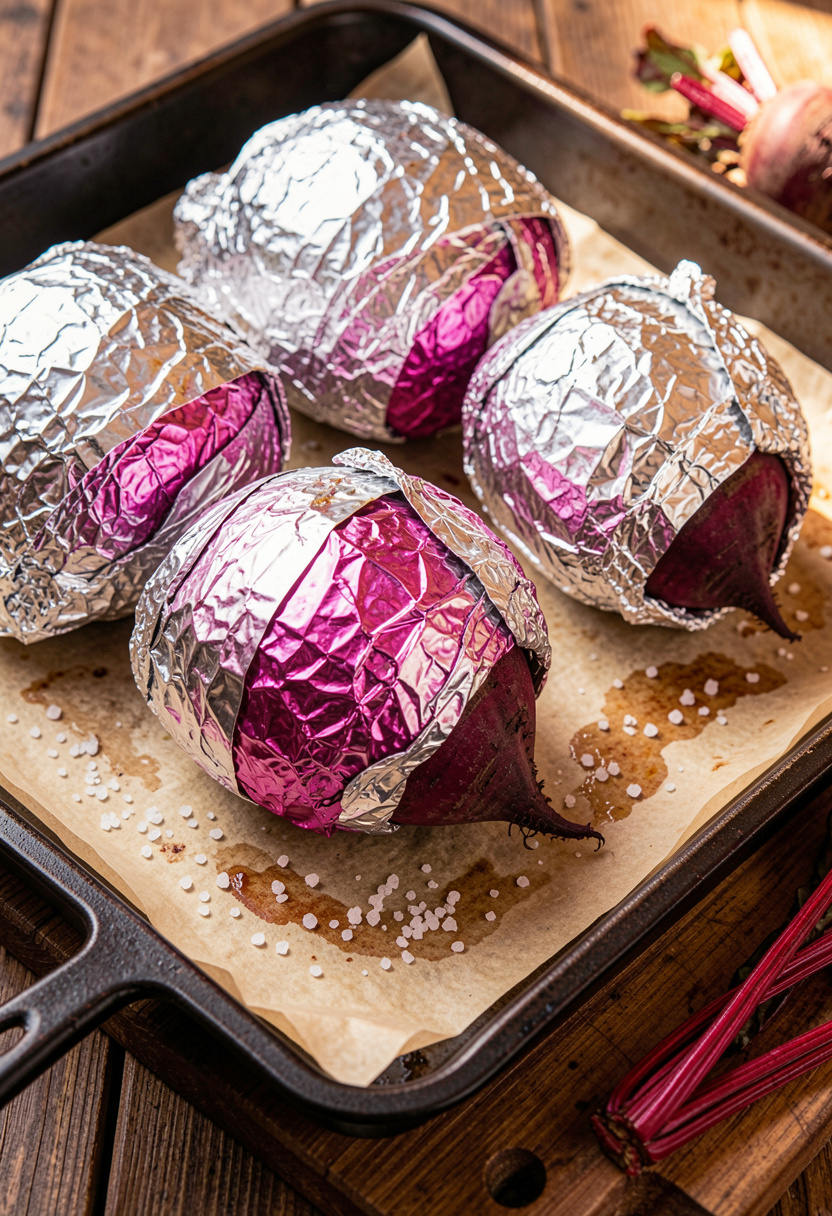

Roasting beets whole locks the pigments, called betalains, inside the flesh. Preheat to 400°F. Trim stems, leave a bit of stem so you can pull them later, wrap each beet snugly in a piece of foil, and place on a half sheet pan 18 x 13 about $12 to $25.
Cook times: small beets 35 to 45 min, medium 45 to 60 min. Test by piercing with a paring knife; it should slide in with little resistance.
Flavor principle: slow, dry heat concentrates sugars and produces light caramelization on edges without turning your pot into a dye bath. I sometimes add a splash of olive oil, but the beet steams in its own juices inside the foil.
Common mistake: slicing raw beets before roasting. That releases juice that stains your pan and spoons. Roast whole, then handle when cooler.
3. Peel After Cooking For Clean Hands And Bright Slices
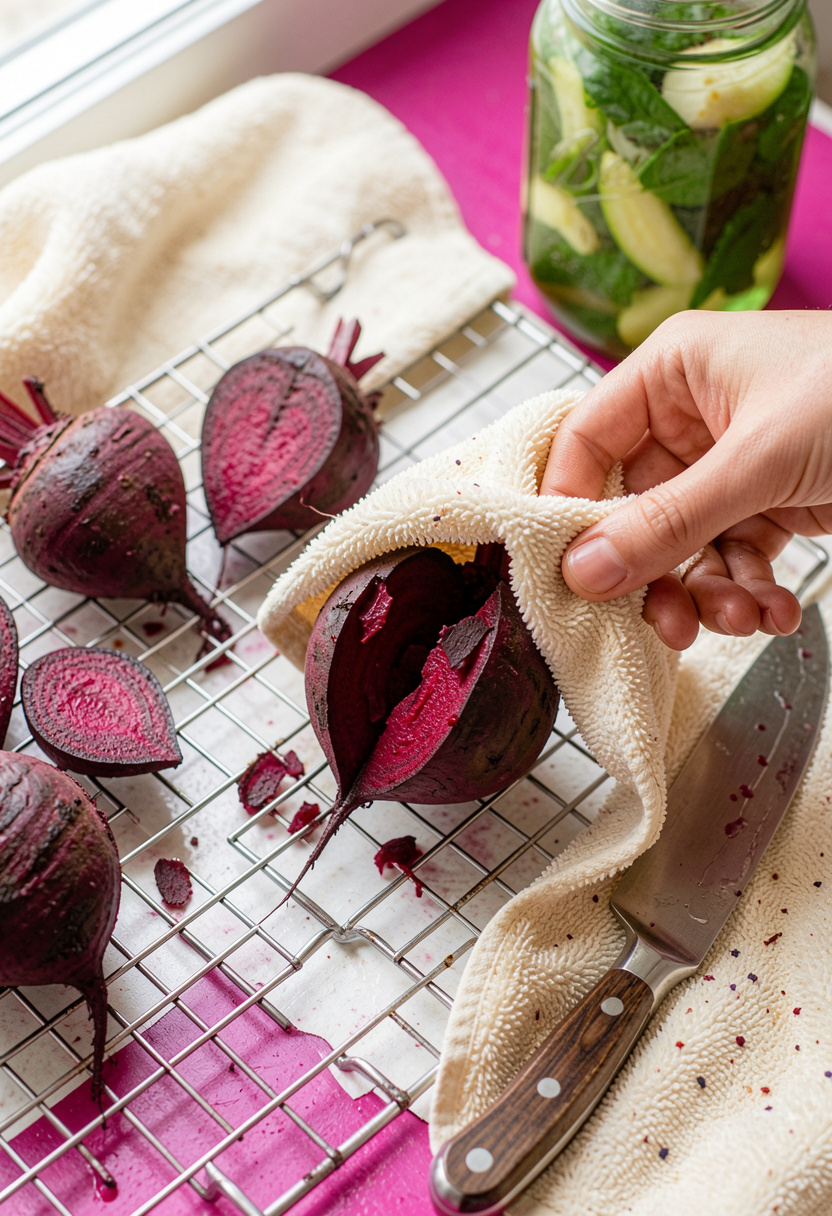

Let roasted beets cool on a rack 10 to 15 min until they are warm but not hot. The skin slips off easily, almost like magic, with a towel or fingertips.
A small paring knife like the Victorinox paring knife 3.25 inch makes quick work of stem ends for about $8 to $15. Avoid reintroducing stains by using a clean towel or disposable gloves.
This is salt timing in practice. If you salt before slicing, the beets soften and exude color. Salt after slicing with flaky salt such as Maldon sea salt flakes 4.4 oz around $6 to $12 for a bright finish.
Mistake: scrubbing beets under the faucet immediately after roasting. That spreads juice. Pat dry and peel over parchment or a bowl instead.
4. Acid Finish And Pickle To Lock Color And Add Brightness
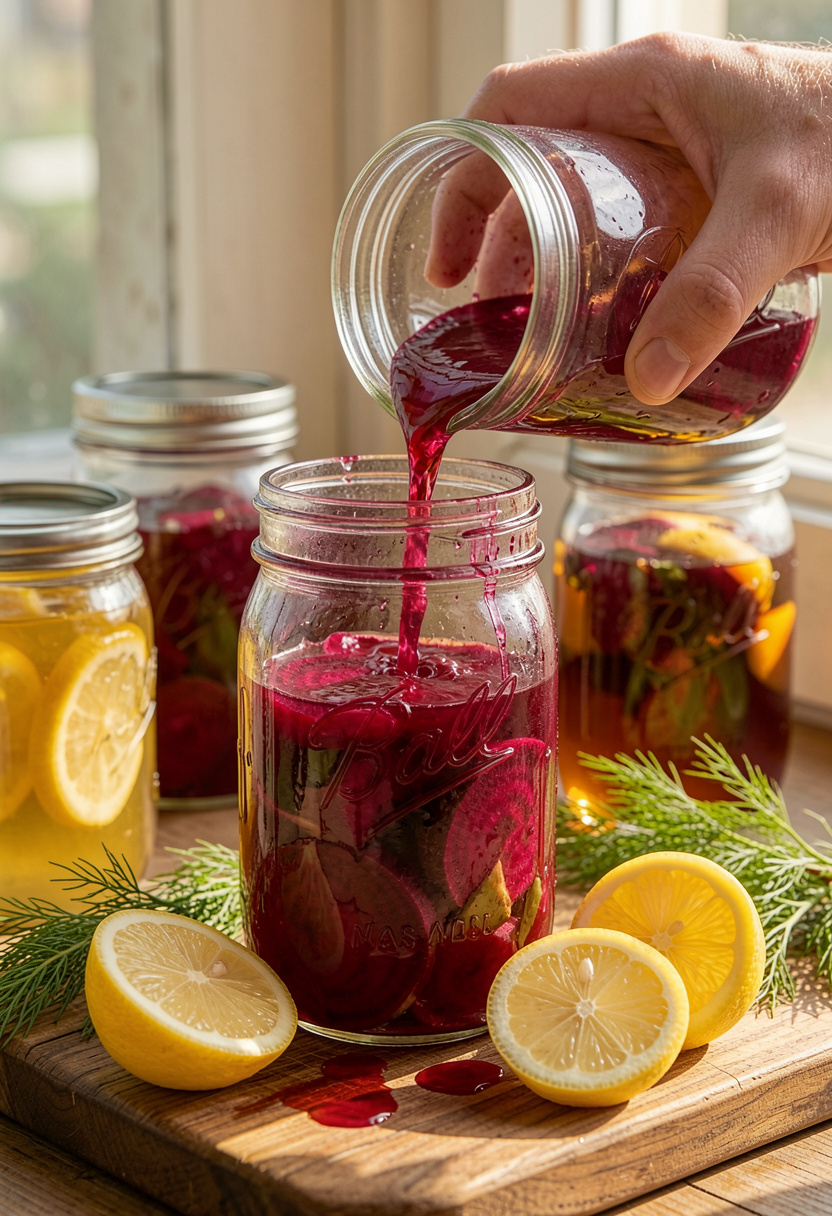

Acid brightens beets and stabilizes color. A quick finishing splash of vinegar keeps slices glossy and prevents color transfer to other salad ingredients.
For quick pickles, combine 1 cup white wine vinegar, 1 cup water, 2 tbsp sugar, 1 tsp pickling spice. Heat until sugar dissolves, pour into a jar of warm beet slices, and chill 2 hours. I use Ball mason jars wide mouth 16 oz 12 pack around $15 to $25.
Pickling is a preservation technique and a flavor layer. The acid denatures surface proteins and keeps pigments from migrating onto other foods.
Mistake: using plain lemon juice only. It brightens, but a balanced brine with sugar and salt rounds the flavor and helps the beet retain texture.
Common Cooking Mistakes to Avoid
Mistake: Boiling beets naked in a pot
Why it doesn't work: Water leaches color and leaves you with stained utensils and cloudy cooking water.
Do this instead: Roast whole on a half sheet pan 18 x 13 so juice stays inside the beet.
Mistake: Peeling raw beets with bare hands
Why it doesn't work: Juice transfers to skin and clothes and takes days to fade.
Do this instead: Use nitrile gloves pack while trimming or peel after roasting.
Mistake: Salting too early before slicing
Why it doesn't work: Salt draws out moisture and intensifies bleeding of color.
Do this instead: Use flaky finish salt like Maldon sea salt flakes 4.4 oz after slicing for texture and brightness.
What You'll Need to Make This
Pantry Staples
Diamond Crystal kosher salt 3 lb box around $5 to $8
Colavita white wine vinegar 17 fl oz about $6 to $10
California Olive Ranch extra virgin olive oil 25.5 fl oz approx $12 to $20
Specialty Ingredients
Maldon sea salt flakes 4.4 oz $6 to $12
Pickling spice jar $4 to $8
Tools That Earn Their Counter Space
OXO Good Grips swivel peeler $8 to $15
Victorinox paring knife 3.25 inch $8 to $15
Half sheet pan 18 x 13 $12 to $25
Cookbooks Worth the Shelf
Salt Fat Acid Heat by Samin Nosrat (price range $18 to $28)
The Food Lab by J. Kenji López-Alt (price range $16 to $30)
Budget Swaps
Ball mason jars wide mouth 16 oz 12 pack $15 to $25 — or buy single jars at Aldi for less
Shopping Guide for This Recipe
Pick beets by feel: Choose firm beets with smooth skin; smaller ones cook faster. I get mine at farmer markets in fall when they are sweetest. See fresh beets selection for storage jars, $10 to $20.
If you are out of foil: Wrap beets in parchment and tuck into a covered casserole dish. Unbleached parchment paper half sheet $8 to $15.
2025 trend tip: Fermented and pickled roots are trending. Use a small jar set like Ball mason jars wide mouth 16 oz for quick pickles, $15 to $25.
Splurge vs save: Spend on a good peeler like OXO Good Grips swivel peeler $8 to $15; save on vinegar by buying store brand white wine vinegar for about $3 to $6.
Conclusion
Start with the prep phase. Containment and roasting whole save time and cleanup, and they keep the beet looking and tasting like beet.
A final splash of acid or a quick pickle is the finishing move that brightens flavor and sets color. Try finishing one batch with sherry vinegar and another with apple cider vinegar to see which you prefer.
Will you try roasting whole beets first or go straight to quick pickling?